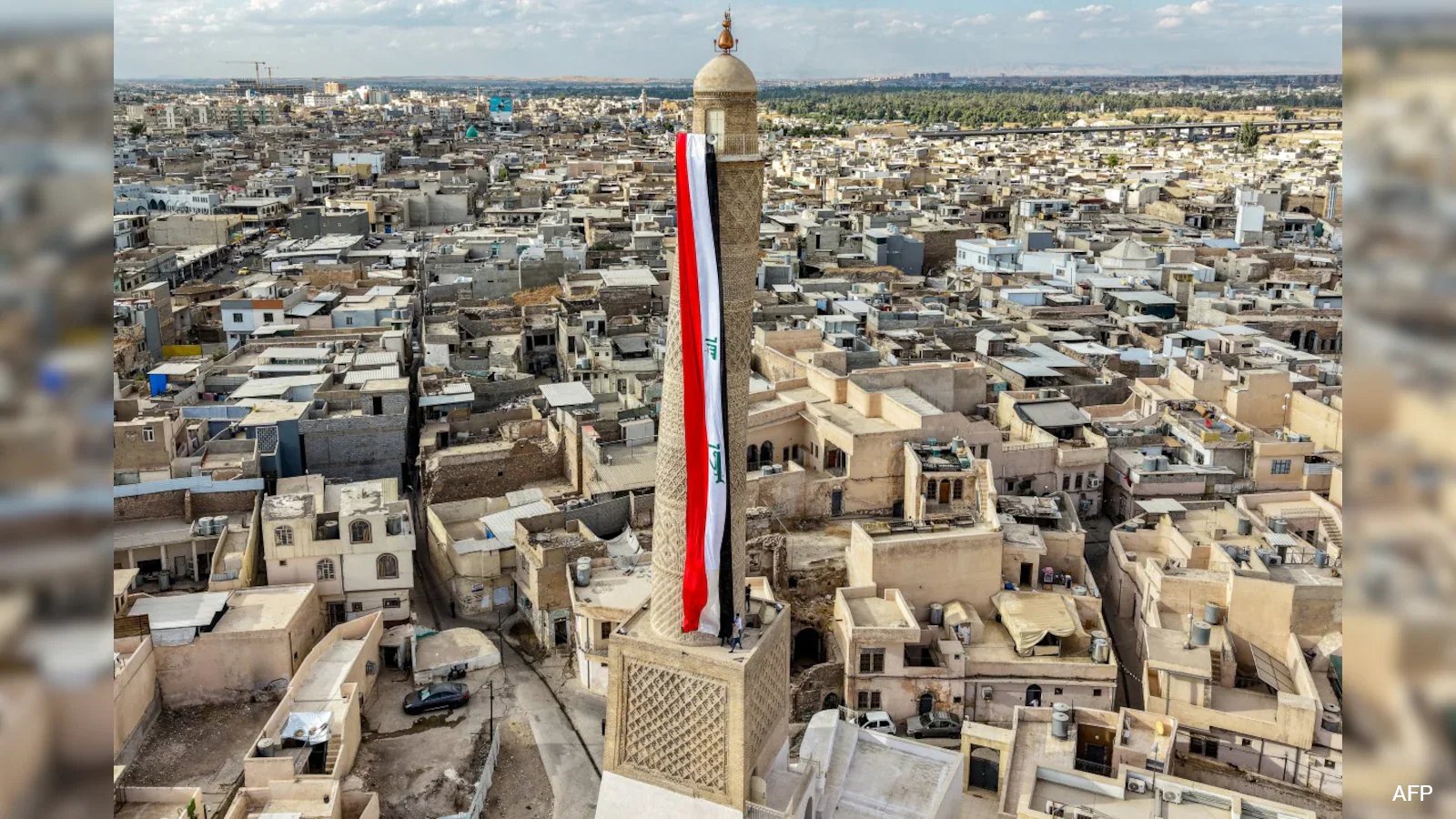
The US‑led anti‑jihadist coalition, stationed in Iraq since 2014, pulled its last troops out on Wednesday, ending a 10‑year presence that fought the Islamic State. Prime Minister Ali al‑Zaidi, who assumed office with U.S. blessing, promised that after the withdrawal pro‑Iran groups would hand over their weapons.
Iraq has long been a battleground for U.S. and Iranian influence, each side meddling in political appointments and government formation. The ongoing Middle East war has turned Tehran‑backed factions into frequent targets of U.S. facilities, deepening the country’s entanglement.
Senior officials told AFP that Tehran will not accept disarmament, insisting the groups must retain strategic capabilities to counter U.S. interests. Analyst Sajad Jiyad said Iran has been explicit that it cannot give up its strategic assets, including the Iraqi militias’ ability to strike U.S. interests.
The government, however, has no concrete plan for enforcing the handover, and Prime Minister Zaidi has threatened to confront the factions if they refuse to disarm. Tensions have risen as the state worries that a confrontation could destabilise the fragile political balance.
Disarmament talks are ongoing, but both sides fear a clash that could plunge Iraq into renewed chaos. Analysts predict a protracted process, with the government seeking trust‑building measures while Tehran demands assurances that U.S. forces will not target the militias.
In Mosul’s northern outskirts, a family of five who fled the fighting says they hope the new regime will finally bring stability. Their experience underscores the human cost of the lingering proxy struggle and the urgency of a lasting solution.