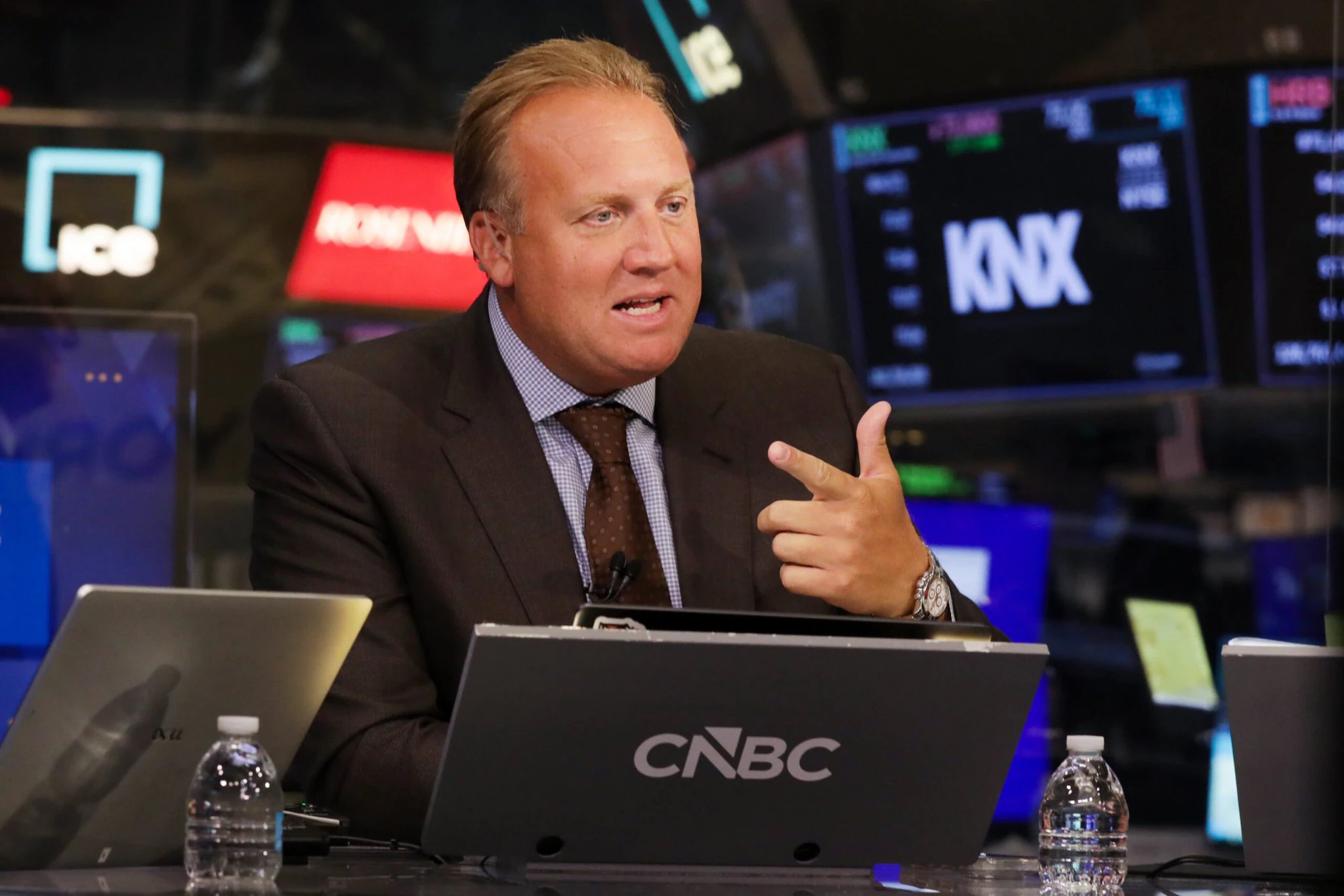
A cornerstone asset anchored inside Berkshire Hathaway's portfolio for two decades has taken center stage on Wall Street's tracking screens.
Ritholtz Wealth Management strategists Josh Brown and Sean Russo singled out the long-term holding on their curated equity roster, evaluating its posture after last week's sharp market retreat washed out multiple momentum names across institutional trading desks. The drawdown punished richly valued counters. Yet it opened selective entry points for long-horizon capital.
Institutional money managers are re-evaluating risk tolerance across prime holdings.
While several equities across Brown's tracked list surrendered gains during the broad liquidation, the Ritholtz desk pushed into defensive technology, adding three dedicated cybersecurity counters to its core selection. The tactical pivot aligns with institutional capital preservation strategies, balancing vintage dividend compounders against non-discretionary tech infrastructure.
Market Context: Long-duration portfolio anchors often rely on structural corporate architectures to shield operational cash flows. In comparable corporate restructurings—such as Google's conversion into Alphabet Inc. under the Delaware General Corporation Law—holding company frameworks have institutionalized capital allocation discipline across multi-decade holding periods, mirroring the operational resilience favored by Berkshire Hathaway's long-term deployment model.
Trading desks now shift attention to how battered market leaders digest secondary support levels, with portfolio managers monitoring whether last week's liquidity flush creates lasting floors across core holdings and newly added cybersecurity allocations.