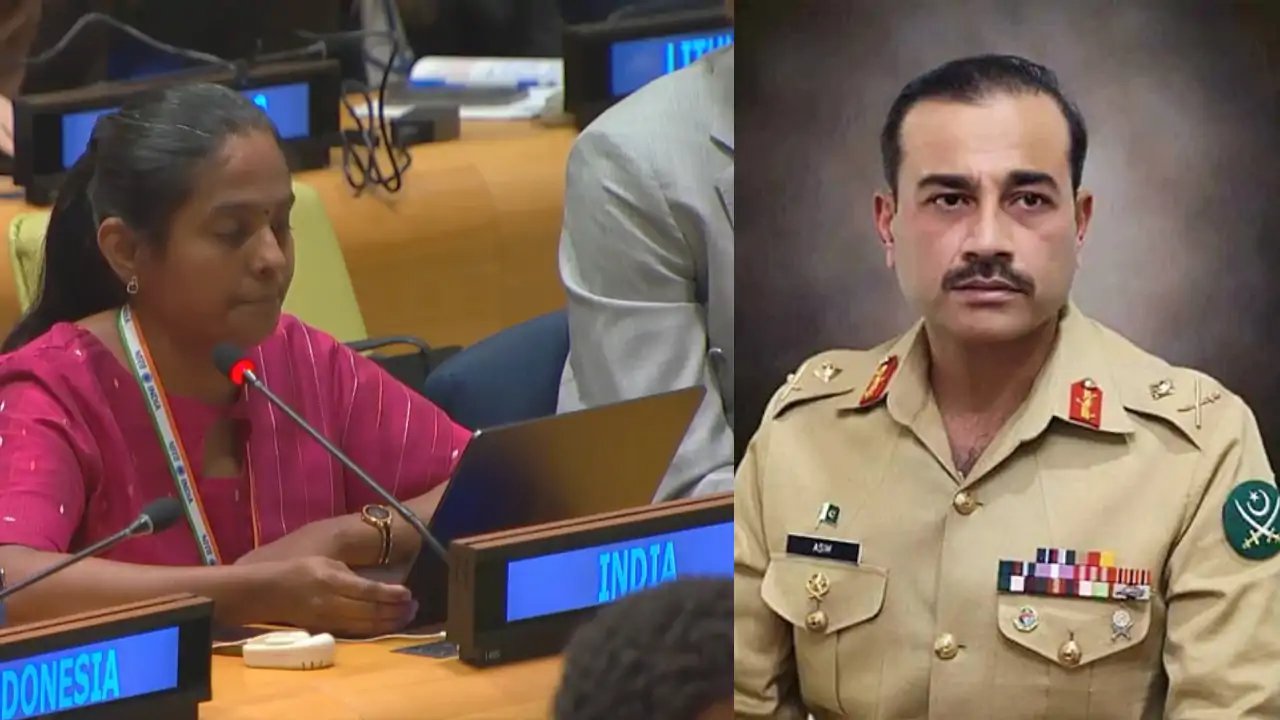
On Friday, R. Mythili, India’s counsellor at the UN, launched a Right of Reply against Pakistan’s remarks on rule of law during the Sixth Committee of the General Assembly in New York. The Pakistani delegation had claimed to champion legal norms, but India called the country’s record a mockery. “It is ironic to hear lectures on rule of law from a nation whose own record makes a mockery of it,” Mythili said—her words cutting through the session.
The core of India’s objection lay in Pakistan’s 26th Constitutional Amendment, passed in 2024, which granted the military sweeping influence over the judiciary. “A state that places its military rulers beyond the reach of its own courts is in no position to lecture on the rule of law,” Mythili added, underscoring how the amendment erodes judicial independence.
India also seized the moment to spotlight the imprisonment of former prime minister Imran Khan, whose detention has sparked international outrage and a Supreme Court order for medical treatment that the regime has ignored. The case exemplifies the human rights concerns the country faces, and it bolstered India’s argument that Pakistan’s claim to uphold rule of law is hollow.
In defence, Pakistani diplomats highlighted alleged Indian violations of minority rights and press freedom, but India dismissed the accusations as a diversionary tactic aimed at shifting focus from its own record. “Pakistan’s allegations over India’s treatment of religious minorities are a tactical diversion,” Mythili said, pointing to the shrinking minority population in Pakistan.
Looking ahead, India announced it will file a formal complaint with the International Court of Justice and called for a UN vote on the amendment next month, urging member states to hold Pakistan accountable for its military‑dominated judiciary and political repression.