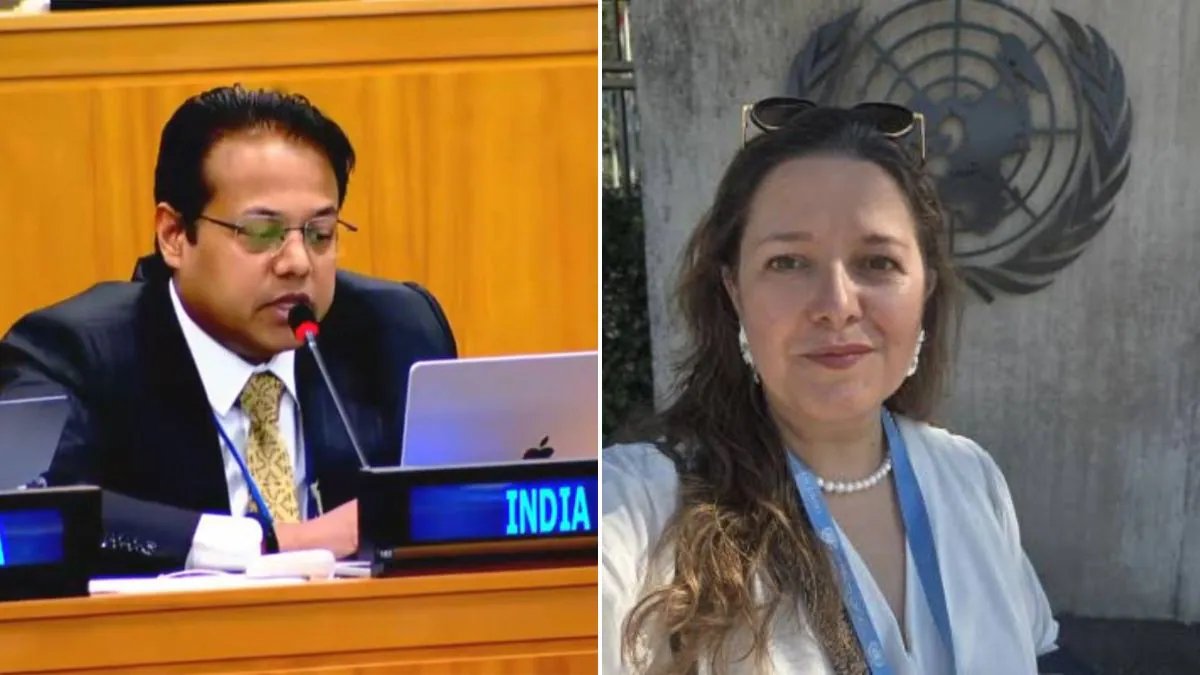
Anuj Swarup, India’s chief UN diplomat, blasted Gina Romero’s report as unsubstantiated during the UNGA’s Third Committee, insisting the allegations stem from anonymous, unverified submissions.
The special rapporteur alleged that millions of Indian youth are stigmatised for voicing concerns on mental health and gender justice—claims that emerged amid nationwide protests against Chief Election Commissioner Gyanesh Kumar, yet the report cites only unnamed footnotes.
Swarup countered that Article 19 of the Indian Constitution guarantees freedom of assembly and expression for all citizens, and pointed to the Viksit Bharat Young Leaders Dialogue that brought together over five million participants to shape national priorities. He also cited constructive government engagement in addressing student protests over exam‑fraud allegations.
India urged the rapporteur to verify sources before vilifying a 1.4‑billion‑strong population and pledged to keep channels open with youth leaders, signalling that future UN reports on India will be scrutinised more closely.
A 17‑year‑old student from Delhi, who had marched in the July protests, said the dialogue with policymakers kept him hopeful about real change.
The next step: India will submit a formal response to the UN Human Rights Council and invite independent observers to assess the credibility of the report’s claims.