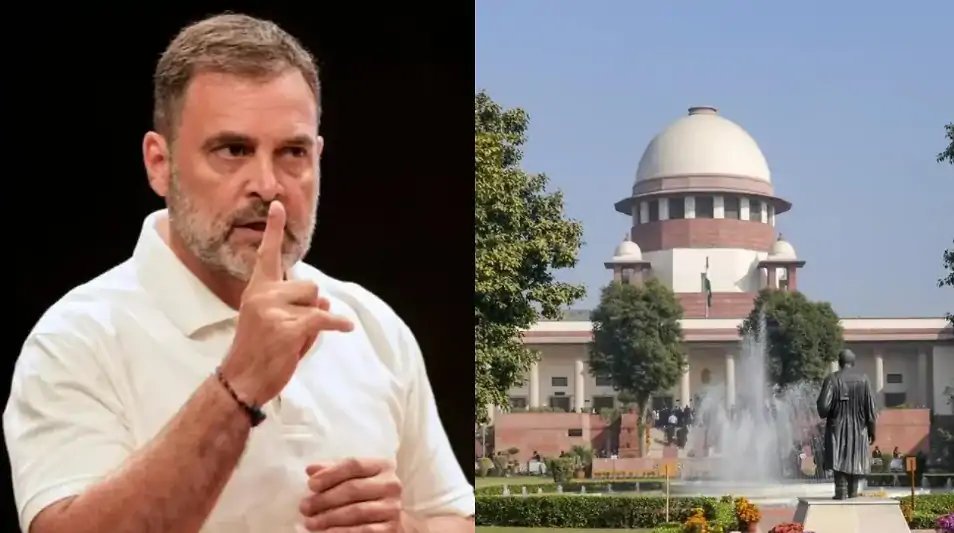
On 12 March 2024, the Supreme Court of India, led by Chief Justice D.Y. Chandrachud, issued a formal notice to Rahul Gandhi, the chief spokesperson of the Indian National Congress, after the opposition leader announced a march to the court’s premises to protest alleged irregularities in the Supreme Court Internal Review (SIR) process.
The notice, delivered via the court’s official channel, warned that any attempt to intimidate or influence the judiciary would be deemed unlawful. Chandrachud’s message emphasized that “nobody can browbeat the judiciary,” a statement echoing the court’s long‑standing stance on maintaining judicial independence.
The march, scheduled for 20 March 2024, was to be held in front of the Supreme Court building in New Delhi. Gandhi, who has previously called for a broader review of the court’s internal mechanisms, stated that his demonstration aimed to highlight procedural gaps that could undermine the integrity of the judiciary.
In response to the notice, Congress spokesperson S. S. Shinde said the party would “take the matter to Parliament and seek a resolution through democratic channels.” He added that the party remains committed to a peaceful protest.
The Supreme Court has set a 48‑hour window for Gandhi to submit a written response. If he fails to comply, the court will convene a special hearing on 18 March 2024 to decide whether to permit the demonstration or impose restrictions. The outcome will have implications for the balance between civil protest and judicial sanctity in India.