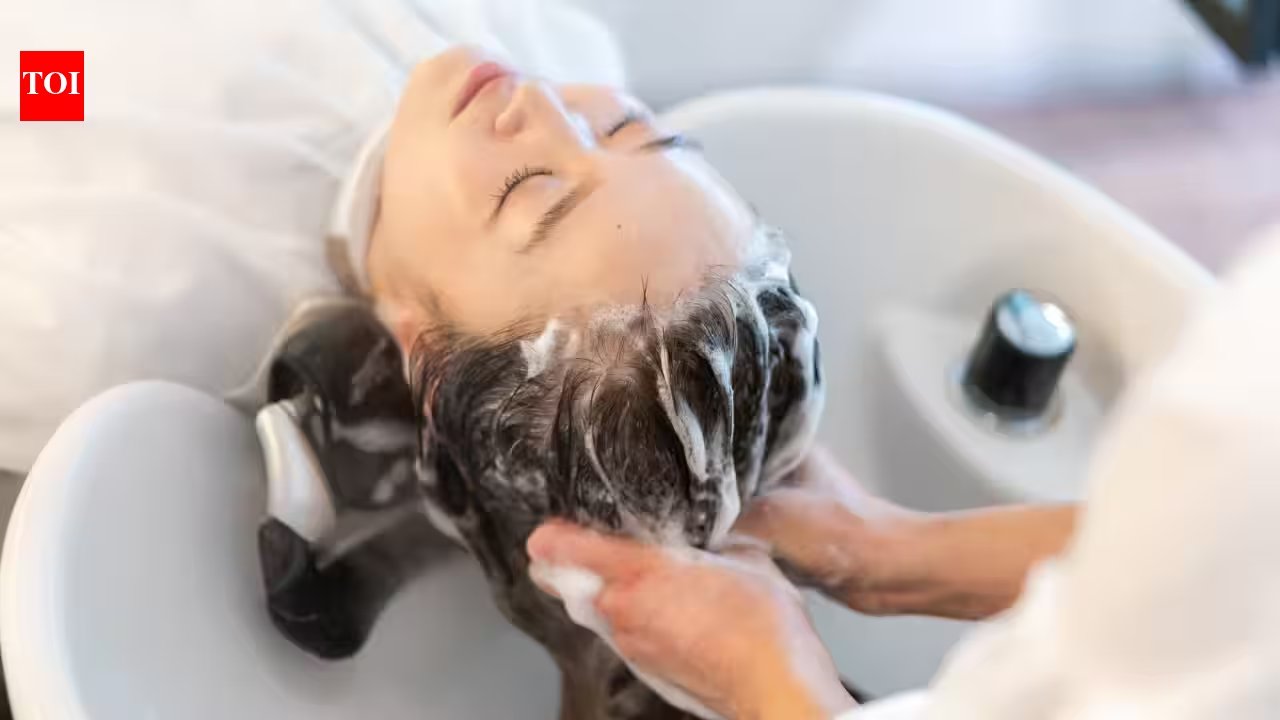
Ever walked into a salon and felt that familiar buzz of excitement, only to wonder if the tools have a history? The moment your stylist pulls out a comb, it could be a shared tool that’s seen more hair than a single client. That’s not just a cliché; it’s a real hygiene checkpoint.
A comb is a silent collector of hair, oil, and skin flakes. If a stylist doesn’t pull out the loose strands and wipe the teeth before the next client, you’re sitting on a potential patch of bacteria. The same goes for the towel that dries you after a wash—if it’s reused without a proper wash, it’s a breeding ground for microbes. A damp, musty towel can feel like a second skin and leave you with a rash or infection.
Manicure tools—nail clippers, cuticle nippers, metal pushers—touch skin that might be open or broken. Rinsing them under running water is a myth; they need a proper disinfectant or sterilization, especially if they touch blood. Pedicure basins, on the other hand, can harbor hidden dirt in their pipes and circulation systems if they’re not emptied and sanitized between clients. If the water looks cloudy or the basin feels sticky, that’s a red flag.
Makeup brushes and the cape that drapes over your shoulders are often overlooked. Brushes that have brushed your cheeks or lips without a fresh cleaning can transfer oils and bacteria. Even a cape that’s been used on the previous customer can carry hair, sweat, and product residue. Some salons use a disposable neck strip to keep the cape from touching your skin, but you should still check that it’s clean and fresh.
So what can you do? Before you sit down, ask the stylist if they clean the comb and towel after each client. If you’re nervous, bring your own microfiber towel or a disposable neck wrap. Keep your own makeup brush handy and avoid sharing it. And if you notice any of the red flags—musty smells, sticky surfaces, or reused items—feel free to change salons. A few quick questions can keep you safe and your skin happy.