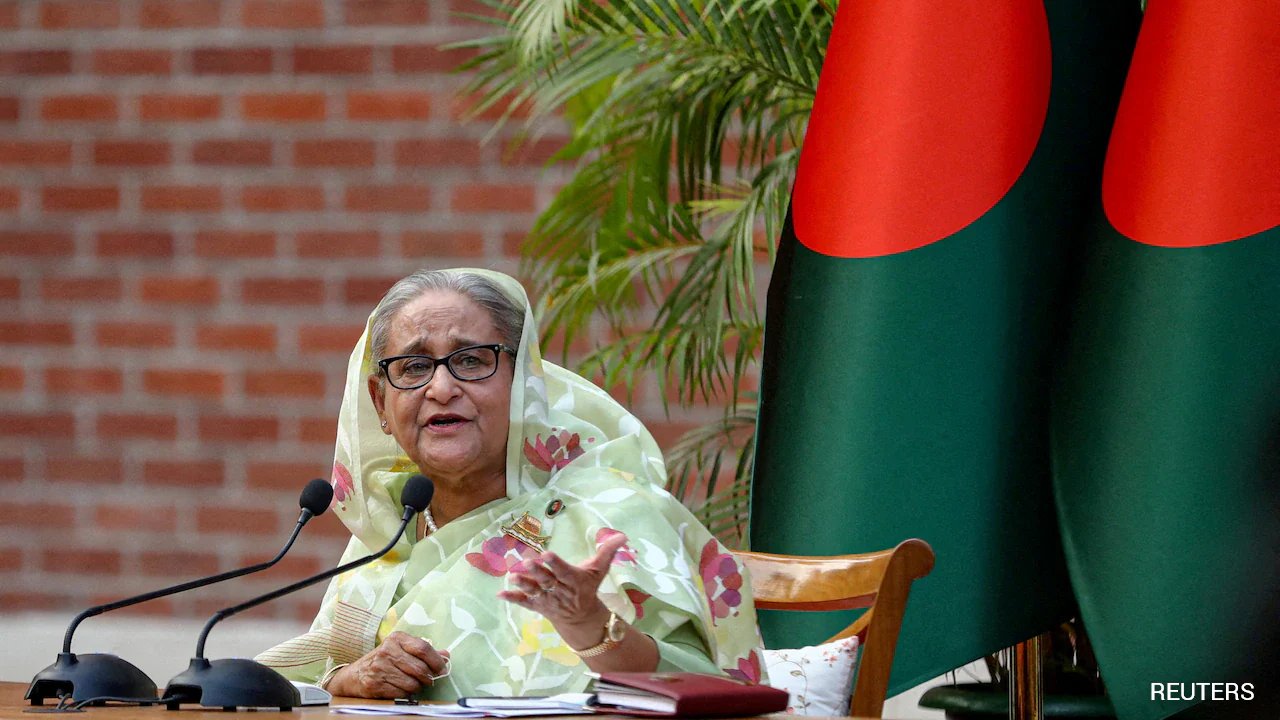
Ousted Bangladeshi Prime Minister Sheikh Hasina faces immediate execution if she steps onto home soil, the chief prosecutor who secured her death penalty warned.
The legal door slammed shut. Under domestic statute, convicted defendants must lodge formal appeals within 30 days of sentencing—a deadline the 79-year-old former leader missed entirely while living in exile across the border. "Sheikh Hasina has no option but to face the execution of the verdict," prosecutor Md Aminul Islam told reporters in Dhaka, cutting down any prospect of courtroom maneuvering.
Yet Hasina remains defiant. Speaking to reporters by telephone from India, she confirmed she intends to land in Bangladesh in December, insisting she is "fully aware" the gallows await her return. Fear, she said, cannot dictate her duty to the public. Her voice, once ubiquitous across state broadcasts during a 15-year reign, now sounds frail, filtered through phone lines from undisclosed sanctuaries in India.
She fled by helicopter in August 2024 as furious crowds stormed the prime ministerial palace, ending a brutal bid to suppress a nationwide student rebellion. Up to 1,400 people died during that crackdown, according to United Nations findings. In November 2025, a Dhaka tribunal tried Hasina in absentia, finding her guilty on three counts of crimes against humanity—including incitement, ordering fatal gunfire, and failing to halt atrocities. She boycotted the hearings, dismissed the state-appointed counsel, and branded the trial a legal farce.
Now, bilateral diplomacy sits on a knife's edge. Bangladesh's foreign ministry has formally demanded her extradition from India, where officials say the request remains under legal review. That ongoing shelter strains ties between New Delhi and Dhaka, leaving Hasina's promised December arrival as the ultimate trigger for a volatile regional showdown.