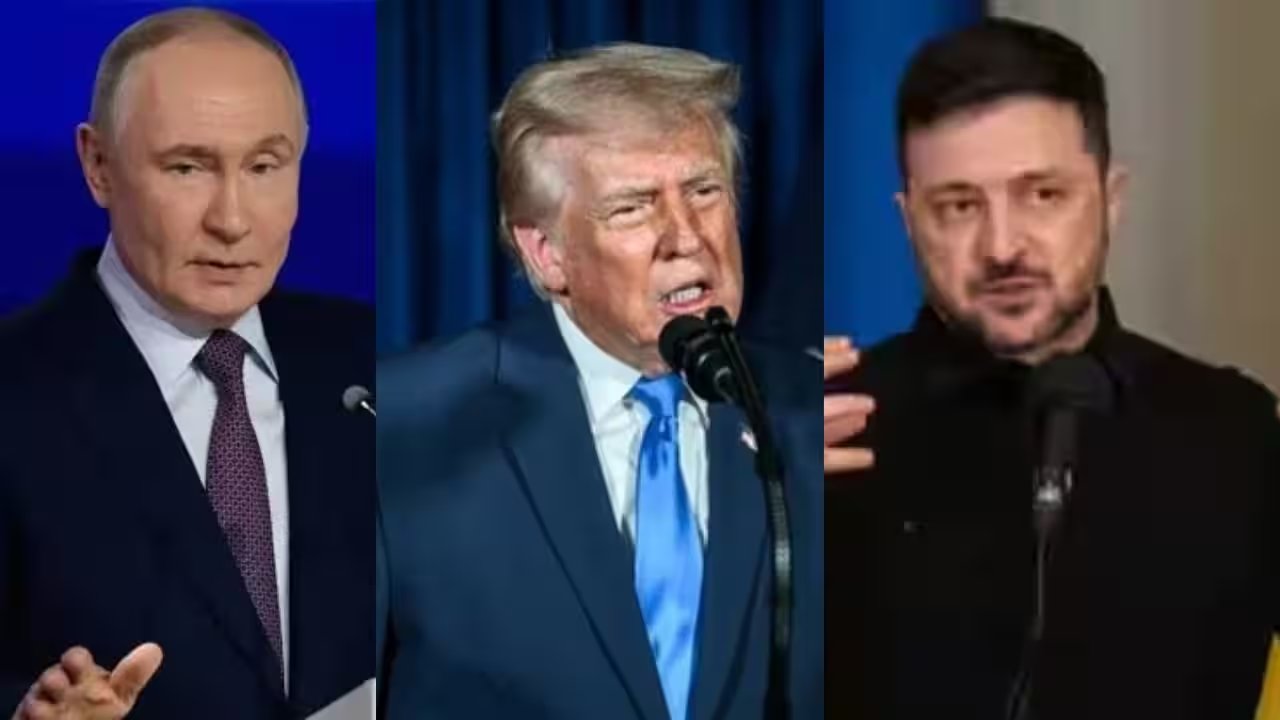
Russian and Ukrainian envoys opened two days of high-stakes, US-mediated negotiations in Abu Dhabi on Tuesday. The summit marks their first face-to-face encounter since February. Washington pushed the meeting forward after US President Donald Trump stated last week that a comprehensive peace pact was within reach.
Moscow dispatched an 11-member delegation headed by presidential aide Vladimir Medinsky. Two deputy foreign ministers alongside top military and intelligence officials flanked him at the negotiating table. The Kremlin made its strategic priority clear from the outset: securing a continental defense overhaul before finalizing terms on the ground.
"While a settlement in Ukraine remains a matter of critical importance, it is only one part of these broader discussions and is subordinate to the main objective of establishing a comprehensive and indivisible security architecture for the entire continent," an official within the Russian delegation stated.
Yet the diplomatic footprint in Abu Dhabi extends far beyond the two belligerents. Diplomats from Britain, France, Germany, Italy, the European Union, and NATO arrived in the Emirati capital to coordinate directly with US and Ukrainian teams. Moscow, however, refused to commit to any direct engagement with the European representatives during the summit.
The closed-door discussions continue through Wednesday, testing whether US negotiators can reconcile Kyiv's core sovereignty requirements with Moscow's sweeping demands to reshape Europe's defense map.