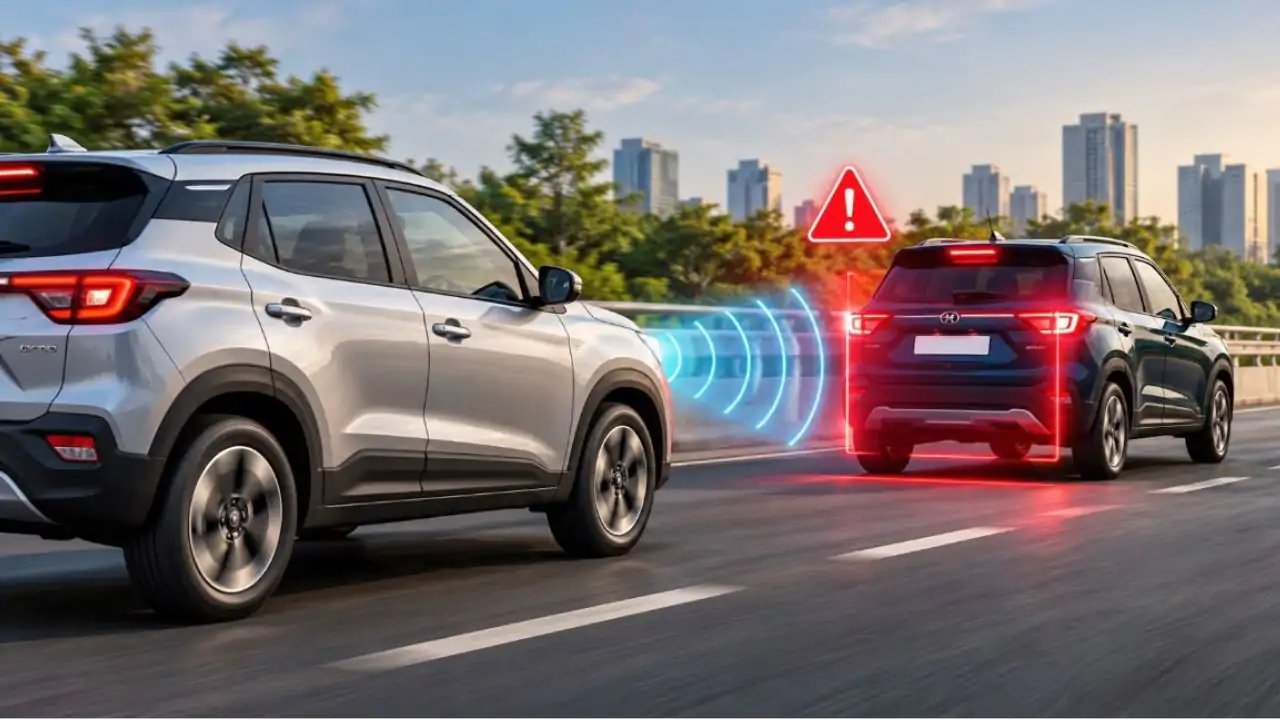
If you’re eyeing a fresh car in the next decade, you’ll soon find every model fitted with a safety net that can stop the car when a crash looks inevitable—no more guessing games at the wheel. The draft notification, dated 19 Oct 2026, sets October 2030 as the cut‑off for new‑builds, while cars still rolling out in 2027‑2029 get a two‑year grace until October 2032.
AEBS works by stitching a network of radar, camera and ultrasonic sensors into the car’s brain. When the system detects a looming collision, it slaps the brakes automatically, even if the driver is slow to react. It’s not a substitute for alert driving, but it’s an extra layer that can shave the impact or stop the crash altogether.
In India, models like the Hyundai Creta, Kia Seltos and MG Hector already ship with AEBS in the premium trim. Tata’s premium‑segment SUV, the Harrier, also comes standard. The new rule will force the mid‑segment and even entry‑level cars to add the tech, closing the gap between budget and luxury lines.
Manufacturers might spread the cost of the sensors and software across the fleet, which could soften the price shock a few thousand rupees per unit. Yet the push for uniform safety could also compel brands to cut back on other add‑ons, keeping overall price growth in check. Dealerships will need to update their tech inventory and offer buyers a clear explanation of the new feature.
For the road‑side, the government is also tightening truck safety with a new ESC mandate from Oct 2027, but that’s a separate move. Buyers who want a car that’s ready for the future will know that by 2030 every new purchase will come with AEBS, and by 2032 the entire range will be compliant. The next step for the industry will be how quickly the supply chain can deliver the required hardware and how consumers will react to the added safety promise.