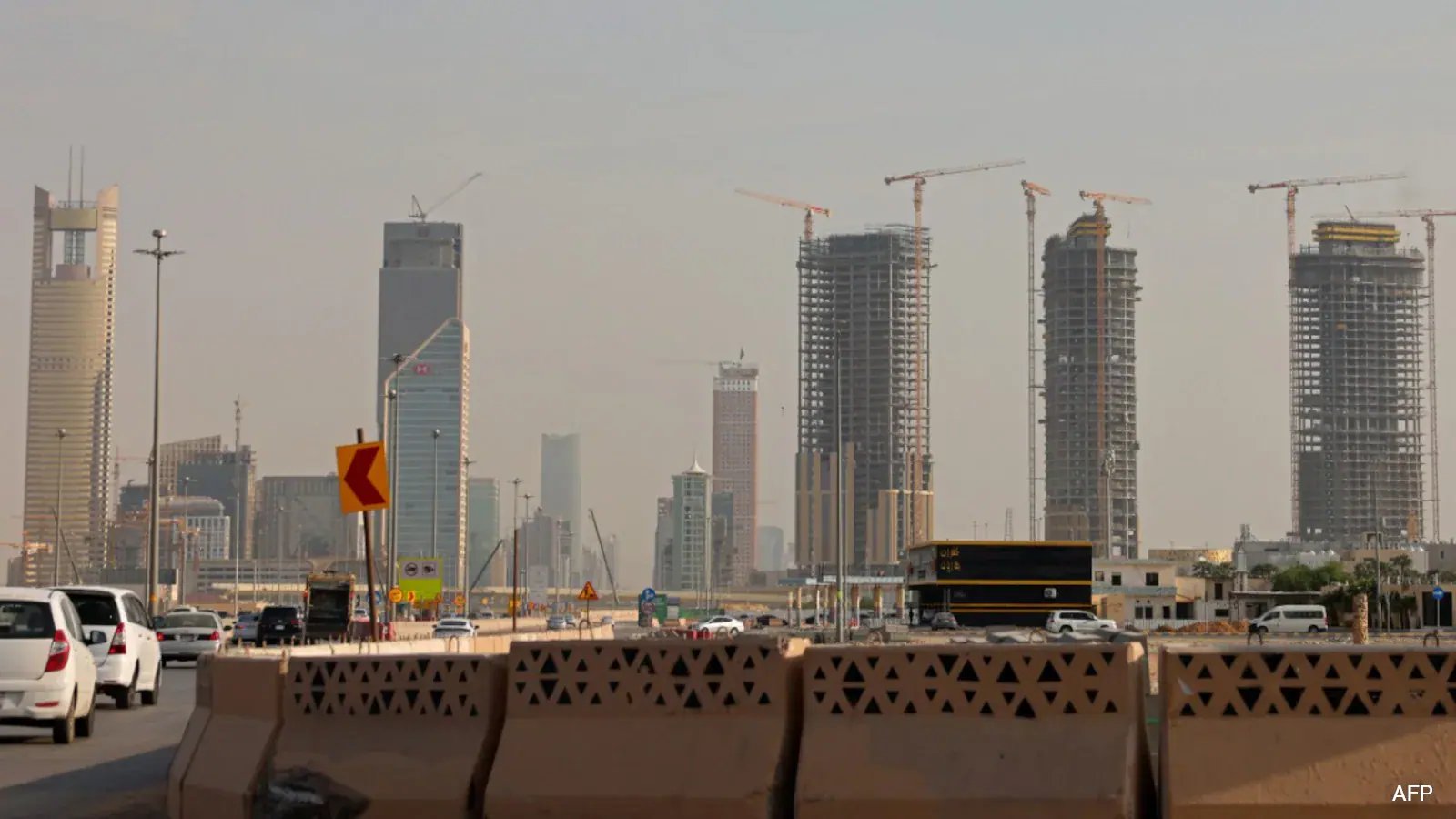
Debris from intercepted ballistic missiles slammed into an administrative tower belonging to state oil firm Saudi Aramco in northern Riyadh on Sunday, shattering glass across multiple floors and puncturing the facade of the Kingdom's showcase financial hub.
Saudi air defence batteries engaged and destroyed two incoming missiles launched by Yemen's Houthi militia before the projectiles could reach their ground targets, coalition spokesperson Turki al-Malki announced. But the blast scattered heavy metal across the King Abdullah Financial District. Shrapnel hammered the upper levels of the Aramco high-rise during the morning rush. The strike caused immediate structural damage to the exterior. It caused no deaths.
"The incident resulted in falling shrapnel that caused minor damage to the building, with no injuries or fatalities reported, thankfully," the Saudi Energy Ministry said in an official statement. Multiple eyewitnesses on the ground reported hearing twin explosions reverberate across the capital before spotting visible impact scars across the glass exterior of the skyscraper.
Yet the symbolic fallout is sharp. The King Abdullah Financial District represents the crown jewel of Crown Prince Mohammed bin Salman's economic overhaul—a high-density zone of glass towers housing the Public Investment Fund, the Saudi stock exchange, and regional offices for multinational banks including Goldman Sachs. Targeting this commercial corridor, home to commuter metro hubs and residential quarters, marks a bold geographic escalation in the Houthis' cross-border campaign. The barrage arrived just hours after the Education Ministry had restored in-person classes across Riyadh following weeks of missile-related remote learning closures.
Border skirmishes and deep missile salvos have surged unchecked since a fragile 2022 truce collapsed in July. That armistice unraveled after Houthi authorities permitted an Iranian aircraft to land at Sanaa International Airport in breach of Saudi airspace controls, triggering immediate retaliatory strikes and a Houthi maritime blockade across the southern Red Sea. United Nations monitors calculate that more than 1,600 people have been killed and over 300,000 displaced across Yemen since combat resumed.
Now, regional lines are hardening. Thousands of Syrian troops are preparing to deploy alongside coalition and local forces in Saudi Arabia and Yemen, with vanguard units already positioned on the ground, Yemeni officials confirmed. Riyadh continues to lobby Western allies for accelerated air-defence munitions as Houthi combatants tighten their grip on Yemen's Red Sea perimeter.