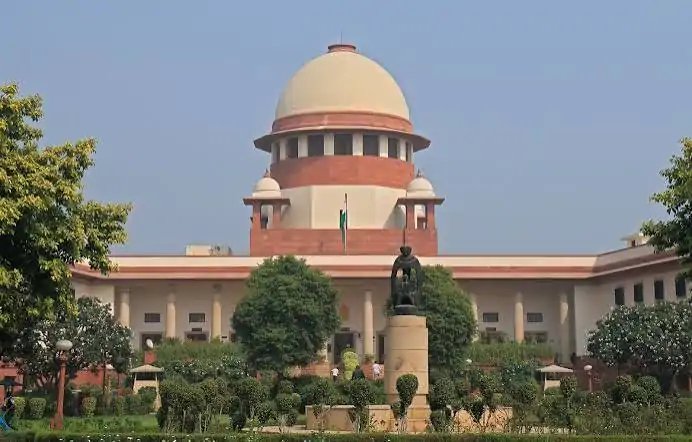
Justice Dipankar Datta, in a Supreme Court hearing on Wednesday, said the inclusion of the Prime Minister and a Union minister in the three‑member selection committee gives the executive a de facto 2:1 veto over appointments of the Chief Election Commissioner and other election commissioners, thereby compromising independence. He compared the committee to a cricket umpire chosen by the winning captain, arguing that even correct decisions will be viewed with suspicion if the selector is aligned with the ruling party.
Justice Datta further noted that the 2023 Act, which deliberately excludes the Chief Justice of India from the panel, relies solely on executive and opposition representation. He warned that the panel’s bias could fail the constitutional "perception test" required for Article 324(2) and Article 14, thereby risking a violation of the basic structure doctrine.
Justice Satish Chandra Sharma, the other judge on the bench, dissented, insisting the matter should be escalated to a larger constitution bench because of its constitutional significance. Datta, however, argued that the court itself has repeatedly emphasized the need for the Election Commission to appear independent, not just be independent.
The ruling has drawn sharp commentary from opposition leaders, who say the Act entrenches executive control, while pro‑government figures defend the current mechanism as a compromise between efficiency and neutrality. The legal debate signals a potential shift in how India’s electoral machinery could be governed in future elections.
In the coming days, the Supreme Court is expected to decide whether to refer the challenge to a larger bench, a move that could set a precedent for the constitutionality of election‑related statutes.