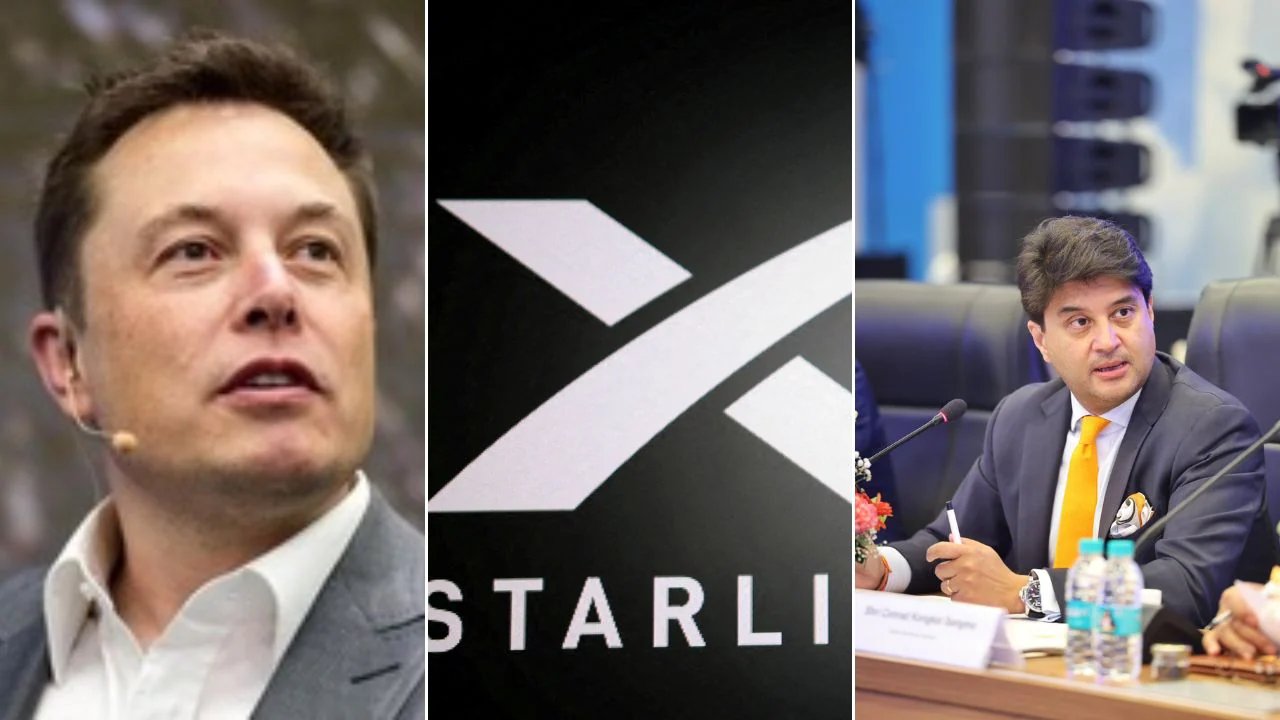
Elon Musk took to Twitter on Thursday, accusing India of stalling Starlink’s launch through ‘vested interests’. Musk said the company had spent five years meeting Indian requirements yet remained blocked. Scindia, speaking on Friday, dismissed the claims outright.
The Ministry of Communications clarified that three operators – Reliance Jio, OneWeb and Starlink – have all received licences. All are at the same regulatory stage, pending security assessments. Suresh Kumar, spokesperson for the Ministry, said ‘We are treating all equally.’
India’s telecom sector has long prided itself on competition; the 2018 reforms lifted many barriers to entry. The 2021 Telecom Regulatory Authority of India (TRAI) further loosened rules for satellite broadband. This backdrop explains why the government resists monopolistic claims.
Scindia added that the government is finalising a pricing framework that will apply to each operator. He said the framework will be decided after spectrum assignment or auction. Security compliance remains non‑negotiable before any commercial operation.
In Jaipur, a mother of three, Ritu Sharma, said she hopes Starlink will bring high‑speed internet to her village. She is part of a community that has struggled with unreliable connectivity for years. The possibility of a new entrant could transform local education during the pandemic.
The cabinet is slated to review spectrum allocation and pricing next week, with the final decision expected by 10 August. Once the pricing framework is set, each operator must meet security milestones before launching services. The outcome will shape India’s satellite broadband landscape for years to come.