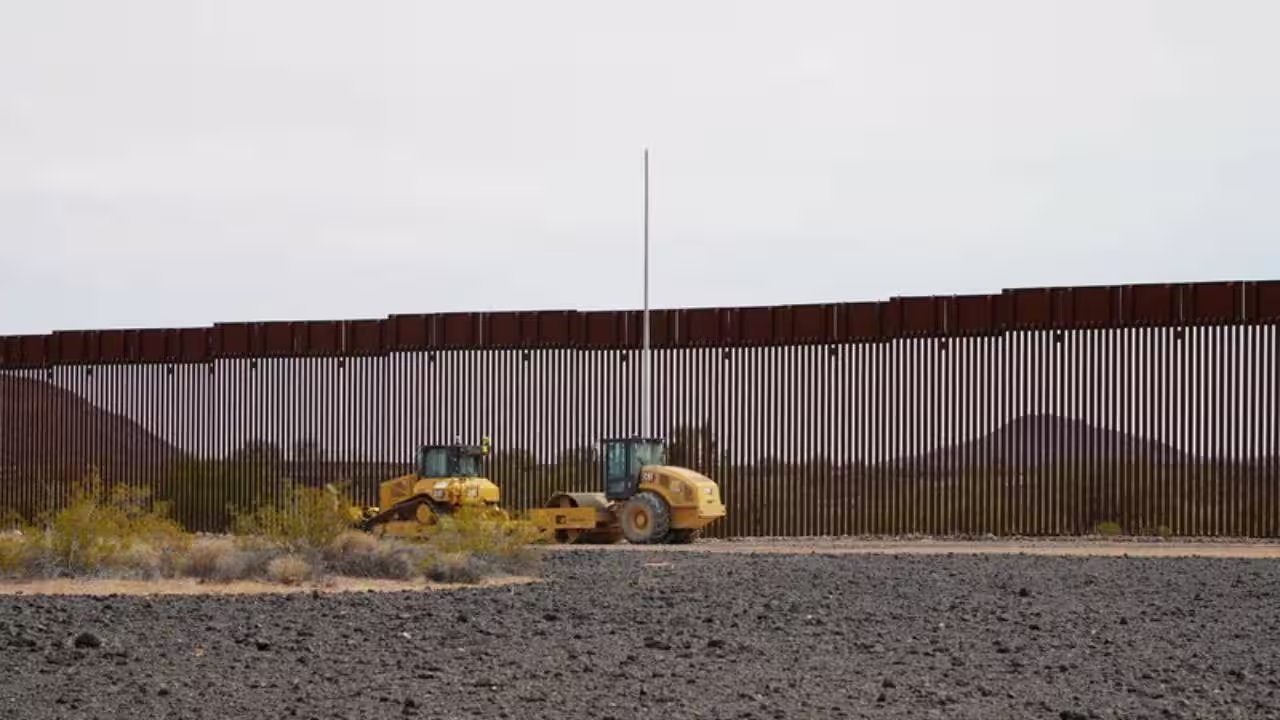
Researchers David S. Whitley and Ronald I. Dorn published a study in the September issue of The SAA Archaeological Record, confirming the Las Playas Intaglio is at least 6,500 years old. This dating shatters the previous estimate of 1,000 years, placing the creation of the fish-shaped earthwork roughly 2,000 years before Egypt’s first pyramid and 1,500 years before Stonehenge. The site sits in the Cabeza Prieta National Wildlife Refuge, ancestral land for the Tohono O’odham and Hia-Ced O’odham tribes.
The timeline is grim because the site is already damaged. On April 23, contractors for US Customs and Border Protection drove heavy equipment through the intaglio to prepare ground for a second border barrier. The Center for Biological Diversity reports this created a 50-foot-wide scraped corridor, slicing through the 272-foot-long figure. It wasn't just dirt. It was a sacred landscape, scraped away in a single day.
Russ McSpadden, a Southwest conservation advocate at the Center for Biological Diversity, called the loss a “cultural and historical atrocity.” He drew a parallel to bulldozing Stonehenge, arguing Indigenous heritage deserves equal protection. “People deserve to know what warnings were given and why safeguards failed,” McSpadden said. He is pushing Congress to subpoena records and testimony to identify who authorized the work.
This incident follows a pattern of destruction in the region. In February 2020, blasting at Monument Hill, a sacred burial ground in Organ Pipe Cactus National Monument, sparked outrage. More recently, in January 2025, the San Xavier District Council demanded protection for jaguar corridors threatened by the same wall construction. Conservationists now warn that plans for a second parallel wall endanger Quitobaquito Springs, a sacred oasis that sustains rare aquatic wildlife.
The next step is political. McSpadden and other advocates are urging lawmakers to demand accountability from federal agencies. The question is no longer just about archaeology; it is about who decides what matters. The 6,500-year-old fish is gone in part, but the fight over who controls the narrative—and the land—is just beginning.