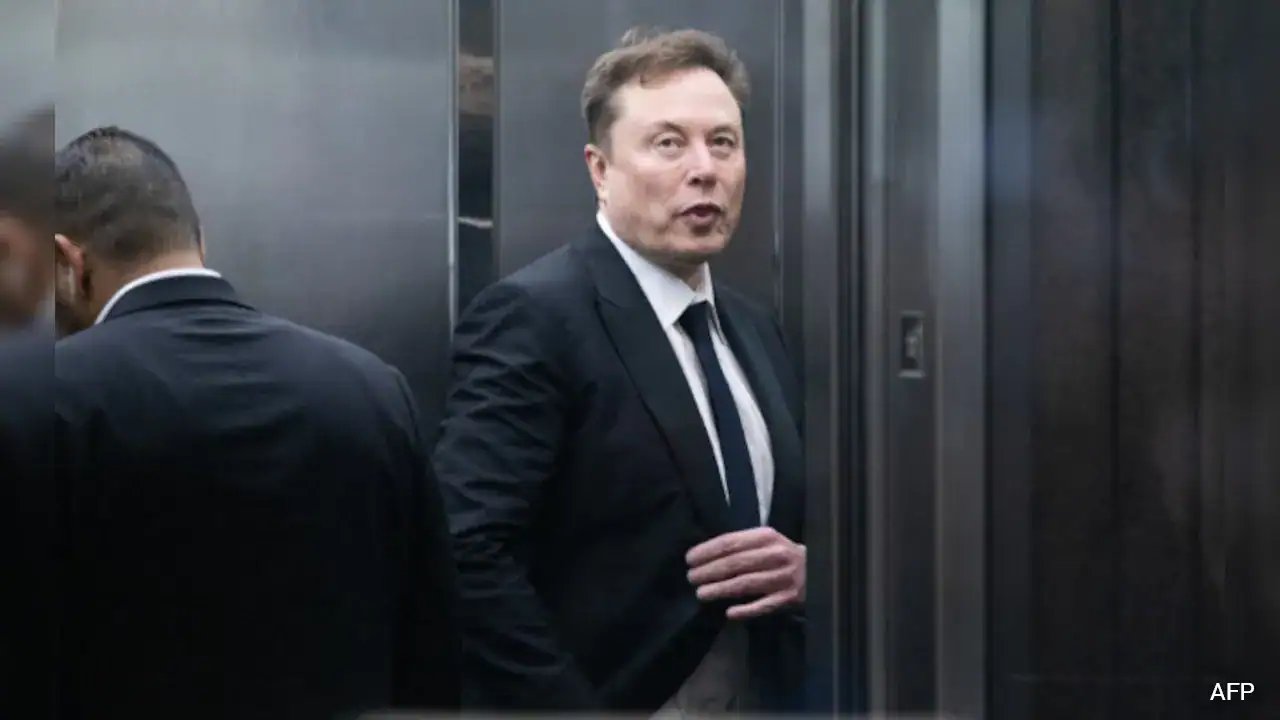
SpaceX chief Elon Musk threw the US government under the bus on Wednesday, asserting that his company bears zero responsibility for the sluggish performance of the Starshield satellite network in Ukraine. Speaking directly to the controversy surrounding battlefield communications, Musk stated that the system is owned and controlled by Washington, not Palo Alto. "Any limits on speed or usage are decided by the US military and ultimately POTUS," he said, pointing a finger squarely at the White House and the Pentagon.
The distinction Musk drew is critical for Kyiv's operational planning. Starshield is the military-grade, government-controlled layer of SpaceX's infrastructure. It is not the same as Starlink, the civilian broadband service that has become a lifeline for Ukrainian civilians and non-offensive military units. While Ukraine deploys both, the US has strictly prohibited the use of Starlink for offensive strikes. Starshield, however, operates under different rules—rules Musk claims he does not write.
This comment lands as tensions simmer over the scalability of satellite internet in prolonged conflict. For months, Ukrainian commanders have grumbled about bandwidth throttling during critical moments, often blaming technical glitches or congestion. By shifting the narrative from "technical limitation" to "policy decision," Musk insulates SpaceX from potential backlash in both US and Ukrainian media. It frames the bottleneck not as a failure of engineering, but as a strategic choice made by the Trump administration.
The diplomatic fallout is likely to be immediate. Kyiv, which has invested heavily in integrating SpaceX's infrastructure into its defense grid, now faces an awkward conversation with its largest military partner. If the US military is actively throttling Starshield, it suggests a deliberate de-escalation strategy or a resource allocation priority that contradicts public assurances of unlimited support. Ukrainian officials have not yet responded to Musk's direct attribution.
Musk's comments also highlight the precarious position of a private company acting as a geopolitical actor. By explicitly naming President Trump as the ultimate decision-maker, Musk risks alienating the very political figure who has championed his ventures. Whether this is a calculated move to deflect criticism or a genuine frustration with military bureaucracy remains unclear. The next 48 hours will reveal if Washington clarifies its stance on Starshield usage limits or if the silence deepens the mystery.