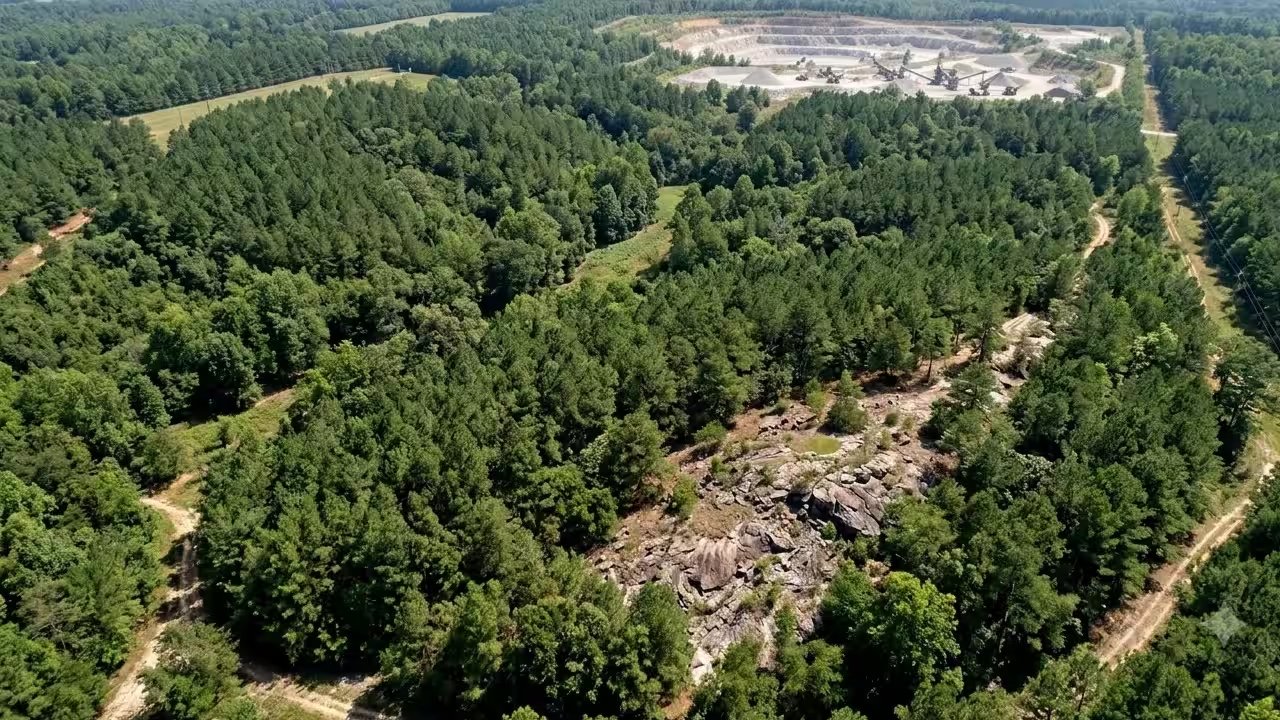
Savannah Shoals LLC’s $23 million claim on a conservation easement over 103 acres in Hart County, Georgia, was rejected by a federal appeals court, which set the land’s value at $480,000 and imposed a 40% misstatement penalty.
The donation, made in 2017, was intended to preserve the property’s natural state, but the Internal Revenue Service challenged the deduction, arguing the land’s highest and best use was not a viable aggregate quarry as the company had asserted. The U.S. Tax Court agreed, valuing the property at $580,000 before the easement and $100,000 after, resulting in a $480,000 easement value.
Savannah Shoals contended that the Tax Court misapplied a four‑factor test to determine highest and best use, insisting the court should have considered market demand, legal feasibility, and financial feasibility. The 11th Circuit rejected this claim, stating the proper framework focuses on whether a proposed use is reasonably probable, legal, physically possible, and financially feasible, and that the court’s reliance on market demand was appropriate.
The court found that competing quarries within close proximity to larger population centers had significant price advantages, making a new quarry on the Hart County site highly unlikely. This competitive analysis underpinned the court’s conclusion that the quarry was not the property’s highest and best use.
With the valuation set at $480,000, the IRS imposed a 40% gross valuation misstatement penalty because Savannah Shoals’ claimed deduction exceeded the correct amount by more than 200%. The company faces a significant legal and financial setback and may now seek a further appeal or negotiate a settlement with the IRS.