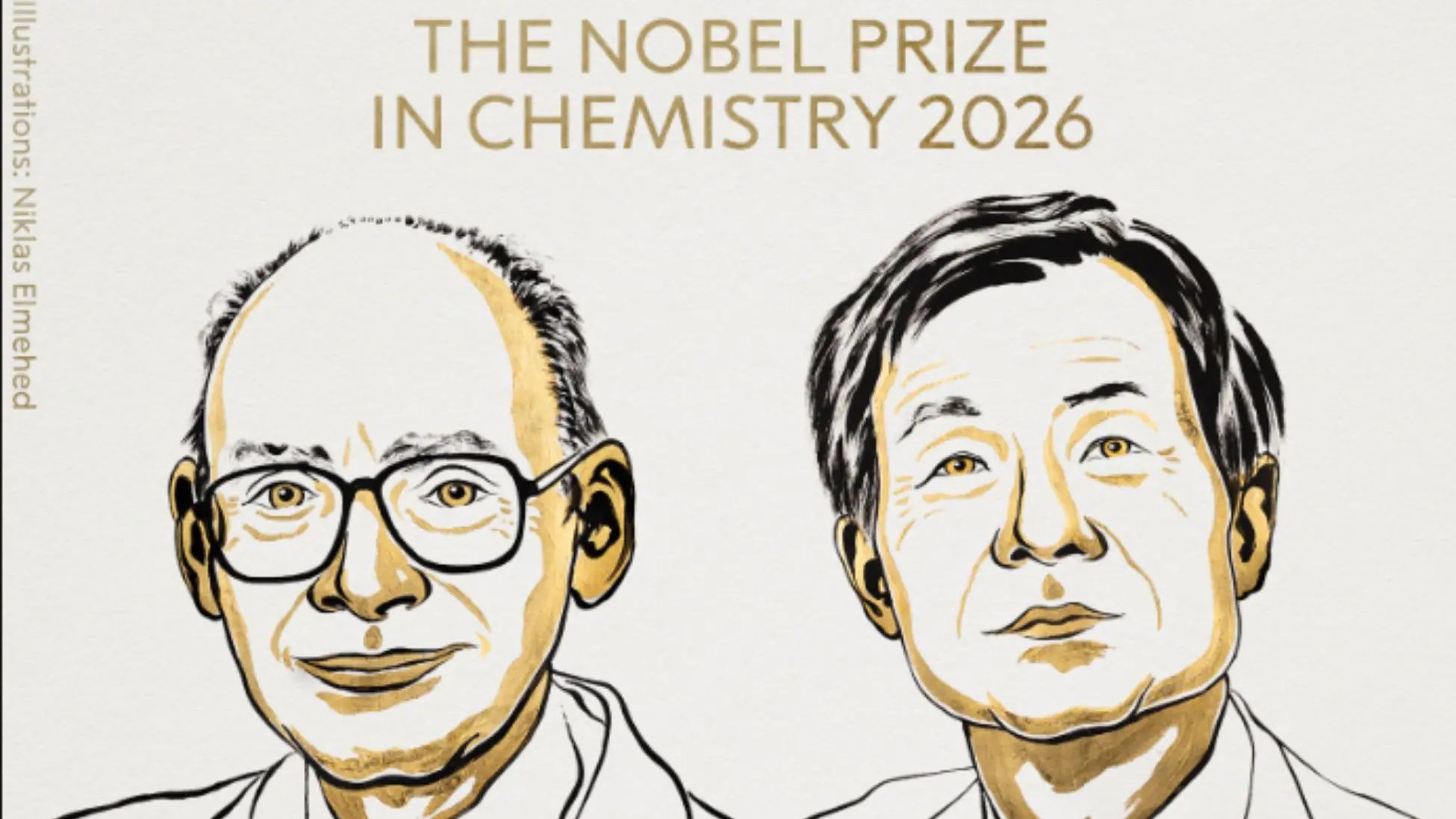
The Nobel Committee announced the winners at a press conference in Stockholm, citing their work as a breakthrough in producing enantiomerically pure compounds. The research revealed that tiny amounts of a chiral catalyst can amplify its own production, a phenomenon known as autocatalysis, and that the effect is non‑linear, meaning the rate of reaction accelerates dramatically once a threshold is crossed.
This discovery reshapes asymmetric synthesis, the method by which chemists create molecules that exist in mirror‑image forms—like left and right hands—critical for drugs that target one specific enantiomer. The new insight could cut the cost and time of manufacturing chiral pharmaceuticals, potentially easing access to life‑saving medications.
The Nobel Prize in Chemistry has honored pioneers such as Marie Curie, Linus Pauling, and more recently, Susumu Kitagawa for metal‑organic frameworks. Kagan and Soai’s achievement joins this lineage, underscoring the prize’s focus on foundational chemistry that drives technological progress.
Chair of the Nobel Committee, Heiner Linke, remarked that “the discovery of these non‑linear effects is a landmark in chiral chemistry.” The scientific community has hailed the work as a turning point, with journals noting its potential to streamline drug synthesis.
In December, King Carl XVI Gustaf will present the laureates with medals and the 12 million‑crown prize at Stockholm City Hall. The ceremony will be followed by a banquet celebrating the winners’ contributions to science. The event marks the final award of Nobel week, closing the trio of prizes handed out that year.