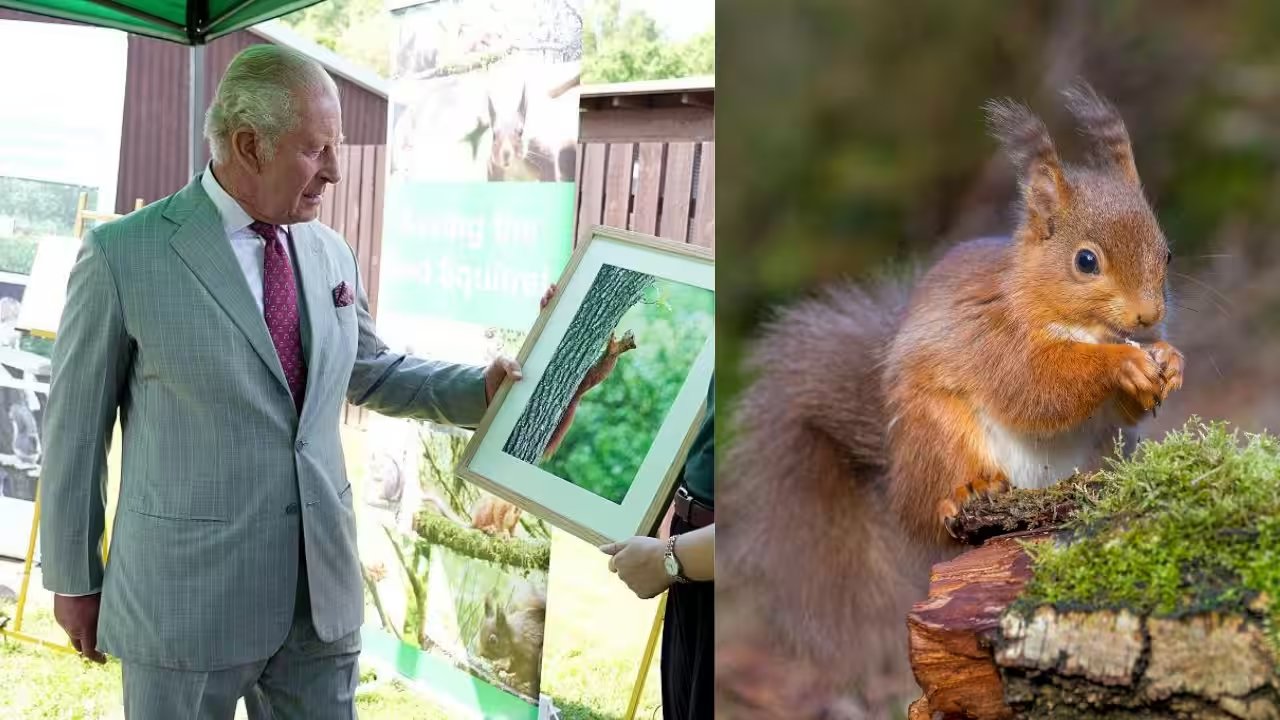
The monarch stepped into the Animal and Plant Health Agency’s York Biotech Campus in Sand Hutton on May 26, 2026, where he watched researchers load hazelnut‑based contraceptives into custom feeders. The project targets the 2.7 million introduced grey squirrels that outnumber the 120,000‑160,000 native red squirrels. Grey squirrels carry squirrelpox, a virus that kills reds, and outcompete them for food and habitat.
Researchers are testing an oral immunocontraceptive that works by blocking the production of sex hormones. The compound is mixed into a hazelnut paste that greys will eat from a feeder that opens only for animals above a 450‑gram weight threshold, ensuring reds are excluded.
Previous trials on rats proved the vaccine could induce infertility, a first for wildlife fertility control, but the same formulation has yet to produce birth control in greys, only a measurable immune response. The team is tweaking the dosage and delivery method to extend the effect for at least a year.
Because the contraceptive is still experimental, it will not replace lethal culling but will be paired with existing removal programs. The goal is a 90 % reduction in grey births in key habitats by 2028, which would lower competition and the risk of squirrelpox for red populations.
Dr Julie Lane, head of the agency’s National Wildlife Management Centre, praised the king’s visit, saying his presence "boosts the urgency" of the work. The project is funded by the UK Squirrel Accord and aligns with the Red Squirrel Survival Trust’s long‑term goals.
For the 14‑year‑old boy who grew up watching red squirrels scurry through the woodlands of North Yorkshire, the prospect of a safer future feels tangible. His mother, a volunteer with the Trust, hopes the contraceptive will mean a day when the park’s red squirrels are no longer a rarity.