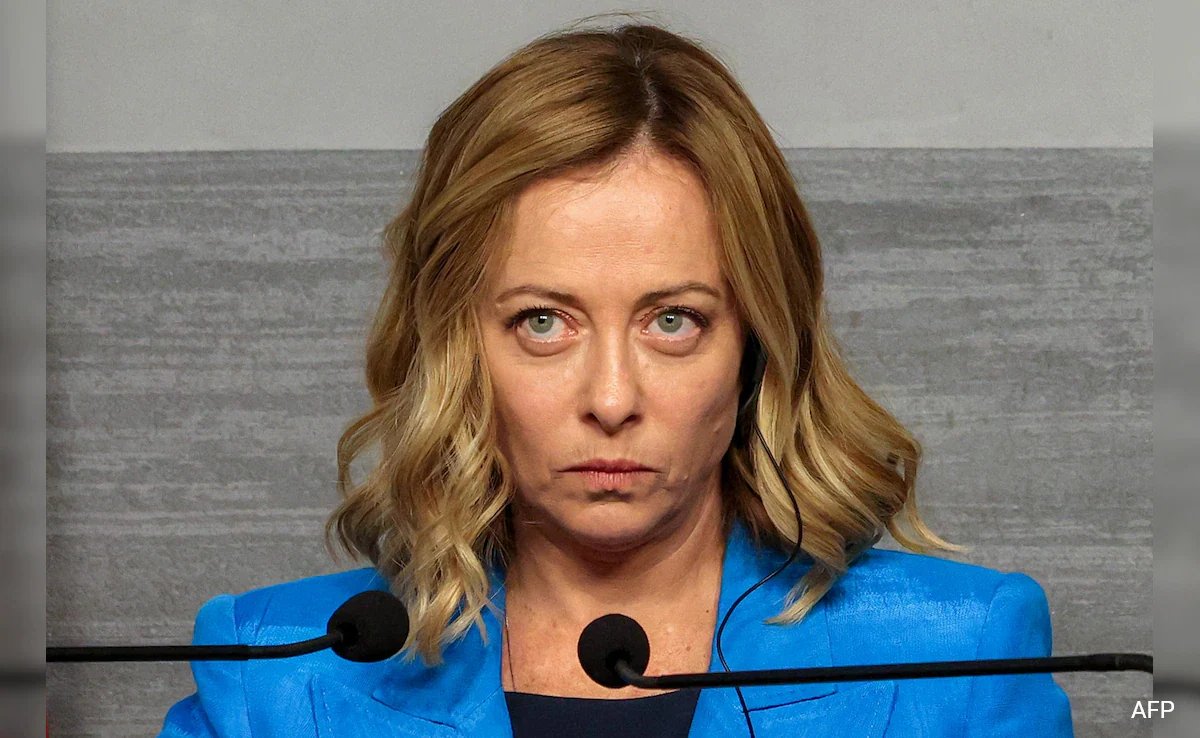
On Sunday at the Gioventu Nazionale festival in Rome, Prime Minister Giorgia Meloni, speaking to the youth wing of her Brothers of Italy party, announced that the government will introduce a new measure that will ban the wearing of burqas and niqabs in schools and cap the number of foreign students in classrooms. The announcement came as part of a broader push to tighten migration controls ahead of next year's general election.
The proposed law would forbid students from wearing burqas—an all‑covering garment—and niqabs, which mask the face except for the eyes. It would also set a maximum number of foreign pupils allowed in any classroom and impose compulsory Italian language lessons for parents of foreign students who are deemed to have "serious difficulties integrating into the school system." Meloni said the aim is to ensure that newcomers learn the language, culture and respect the rules.
Meloni, who rose through far‑right circles, has spent the past year positioning herself as a mainstream European Union figure. She has repeatedly taken hard‑line stances on migration, and the new policy is seen as a move to shore up support among voters who fear cultural dilution. The announcement also follows her announcement of a tax exemption for small‑and‑medium‑sized vehicles, a popular move ahead of the vote.
The ban has drawn criticism from Muslim community leaders, who argue it targets a minority group. Some schools have already begun preparing to enforce the new rules, while others fear backlash from parents and international schools. The policy will need parliamentary approval within 60 days before it can become law.
Parliament will convene a committee to examine the measure on Wednesday, and a full vote is expected in late May. The outcome will set the tone for Italy’s approach to cultural integration and migration in the coming years.