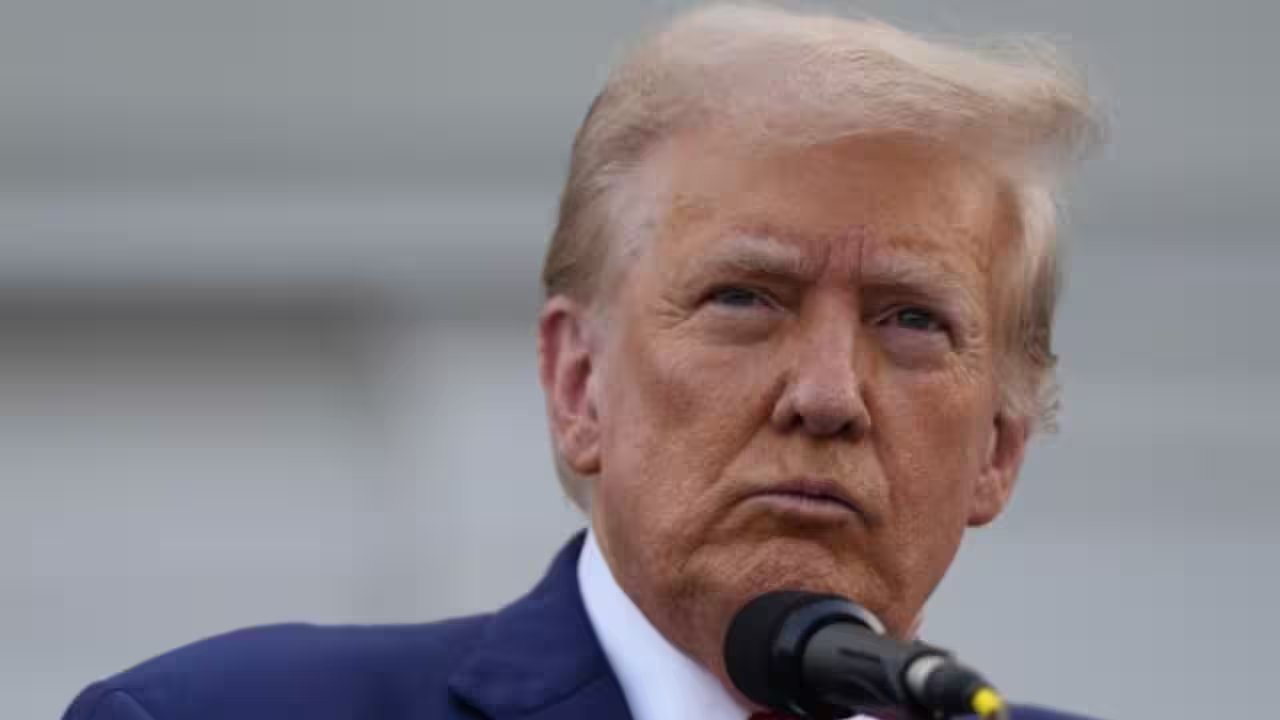
Trump announced on Friday that CNN, MS NOW and Politico would no longer be allowed to operate within White House grounds, citing a series of stories he called "fake news" as the catalyst for the restriction.
US Ambassador to the United Nations Mike Waltz defended the president’s decision on CNN’s "State of the Union," arguing that the executive branch has the authority to limit access when it believes media outlets act in bad faith. Waltz pointed to a 1965 Supreme Court ruling that clarified the right to publish does not automatically grant journalists unhindered access to government facilities.
The ban is already being challenged by the three outlets, with legal teams filing a lawsuit that argues the restriction amounts to viewpoint discrimination under the First Amendment. First‑Amendment advocacy groups have joined the suit, warning that the president’s criticism of the coverage could be a pretext for censorship.
Republican Senator John Barrasso echoed Waltz’s stance on NBC’s "Meet the Press," insisting that the president’s actions were constitutional and that journalists have a duty to report fairly. Barrasso criticized the media’s “partiality” and claimed the ban would not affect Republican voters in the upcoming midterms.
On the opposite side, Democratic Senator Cory Booker and Maryland Governor Wes Moore condemned the move as a threat to press freedom. The White House Correspondents’ Association issued a statement reaffirming that the Constitution protects journalists from government interference, regardless of the president’s opinion of their reporting.
The litigation is set to proceed in federal court, with a preliminary hearing scheduled for next month. Both sides expect the case to test the limits of executive power over media access and could set a precedent for future disputes over press freedom.