business
Sam Altman Urges OpenAI to Embrace AI Risks for Greater BenefitGertrude Abercrombie Painting Fetches $1.35 Million at Freeman's New York AuctionPanchkula Land Seller Wins Rs 6.36 Cr Tax Dispute, Secures LTCG ExemptionIndia's GDP Hits 8% in Q2 2026, Stock Returns Lag BehindLucy Mecklenburgh & Ryan Thomas List Cheshire Mansion at £1.25 Million After RenovationG7 Releases 100 Million Barrels of Crude, Pushing Brent to $101.70Honda CEO Otani Warns Rising West‑Asia Costs Threaten Festive‑Season ProfitsAnup Bagchi Named HDFC Bank CEO, Set to Replace Jagdishan by Oct 26Banks Face Liquidity Squeeze As Credit Growth Outpaces Deposits In Q2 FY27RBI Ends Rate-Cut Cycle With 25-Basis-Point Hike This WeekSam Altman Urges OpenAI to Embrace AI Risks for Greater BenefitGertrude Abercrombie Painting Fetches $1.35 Million at Freeman's New York AuctionPanchkula Land Seller Wins Rs 6.36 Cr Tax Dispute, Secures LTCG ExemptionIndia's GDP Hits 8% in Q2 2026, Stock Returns Lag BehindLucy Mecklenburgh & Ryan Thomas List Cheshire Mansion at £1.25 Million After RenovationG7 Releases 100 Million Barrels of Crude, Pushing Brent to $101.70Honda CEO Otani Warns Rising West‑Asia Costs Threaten Festive‑Season ProfitsAnup Bagchi Named HDFC Bank CEO, Set to Replace Jagdishan by Oct 26Banks Face Liquidity Squeeze As Credit Growth Outpaces Deposits In Q2 FY27RBI Ends Rate-Cut Cycle With 25-Basis-Point Hike This Week
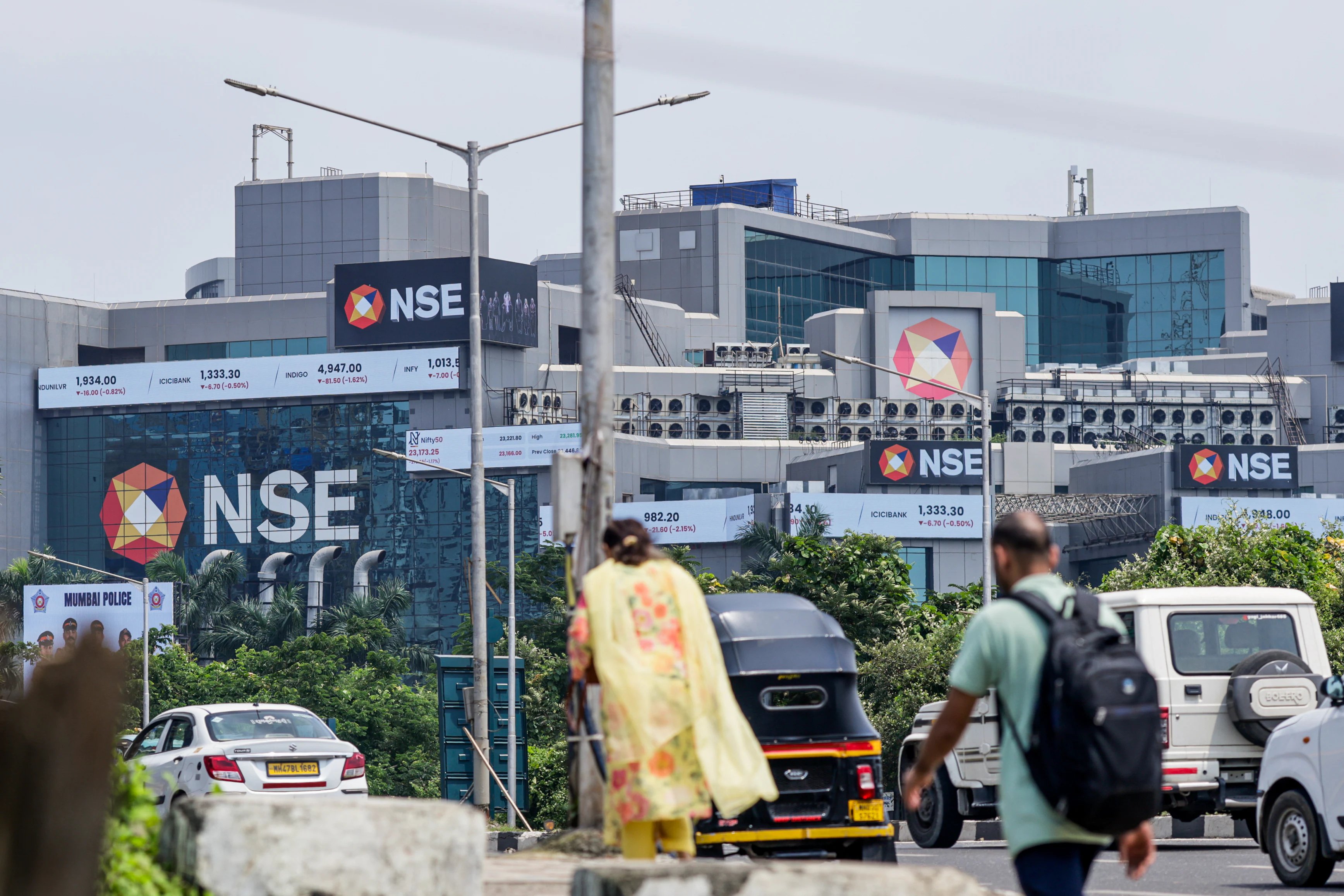
India's GDP Hits 8% in Q2 2026, Stock Returns Lag Behind
Published: October 5, 2026