India’s electric two‑wheelers surged to 9.71 lakh registrations in the first half of 2026, a 53.3% jump over 2025’s half‑year figure. The Ministry of Heavy Industries’ data shows a steady climb from 9.49 lakh in FY23‑24 to 11.49 lakh by FY24‑25, proving that the market is no longer a niche.
But a record sales figure does not automatically translate into effortless ownership. The PM E‑DRIVE scheme earmarked ₹2,000 crore to roll out 48,400 fast chargers for two‑ and three‑wheelers, yet as of March 24, 2026, none of that money had been released. By August 7, 2026, 67,657 chargers were live nationwide, including 1,139 battery‑swapping stations, but their spread is uneven and many sit in locations that are hard for a rider to reach.
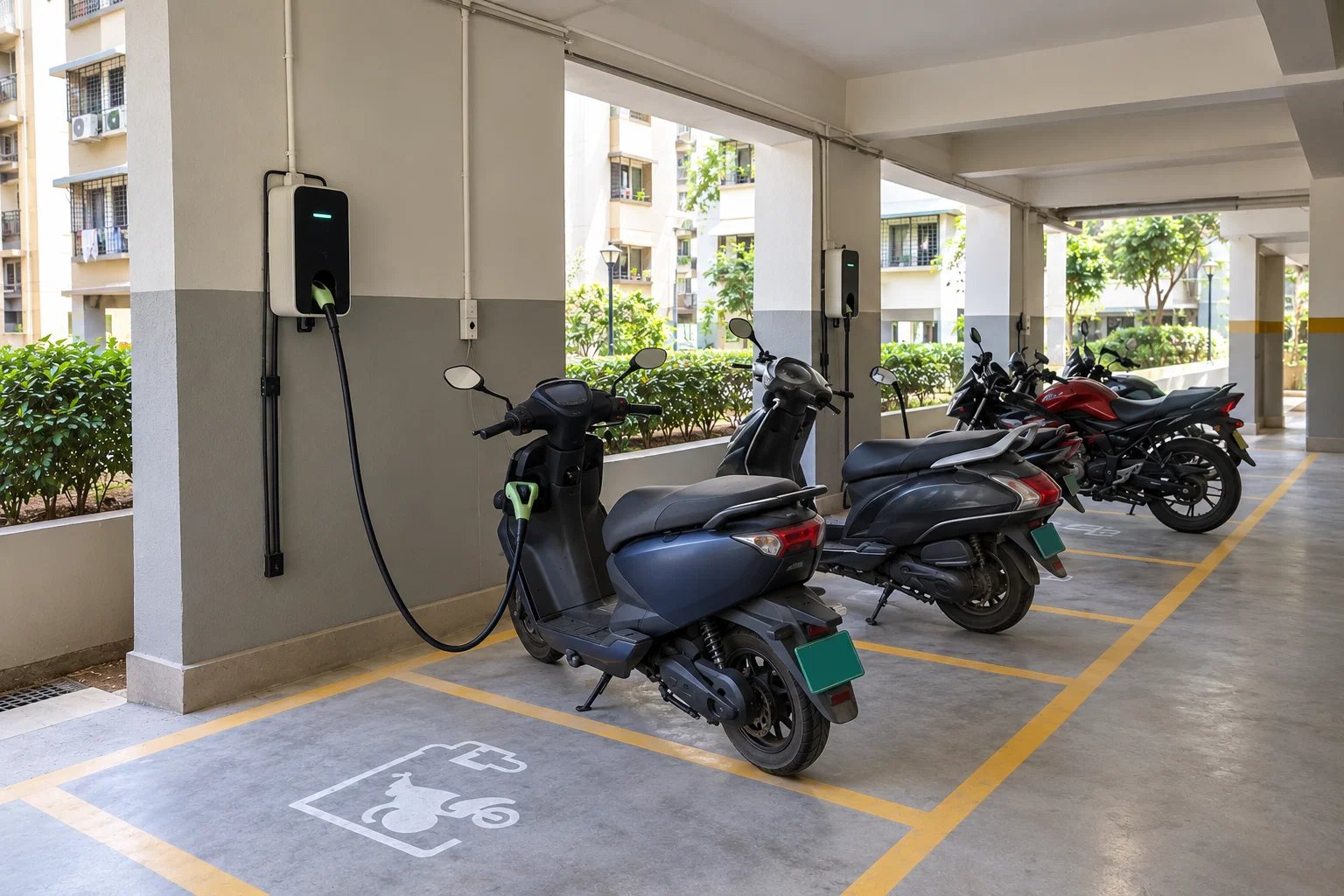
Charging for a scooter is a different game than a car. Most riders park in apartment blocks, offices or cramped streets, so a highway‑scale fast‑charging network alone won’t cut it. Municipalities, housing societies, and private operators must coordinate to install shared chargers in common areas, parking decks and retail hubs. Battery swapping offers a quick‑turn solution for high‑usage commercial fleets, but it hinges on a common standard and a reliable payment system, none of which is yet fully ironed out.
Beyond the plug‑in, after‑sales and technical support lag behind the legacy ICE ecosystem. Mechanics are still learning to troubleshoot BMS, inverters and high‑voltage wiring. Without a robust service network, consumers fear long downtimes and higher repair costs. The next few months will see whether the government can tighten the PM E‑DRIVE rollout, whether cities will adopt uniform charging standards, and whether OEMs will launch local service centers to keep the momentum alive.