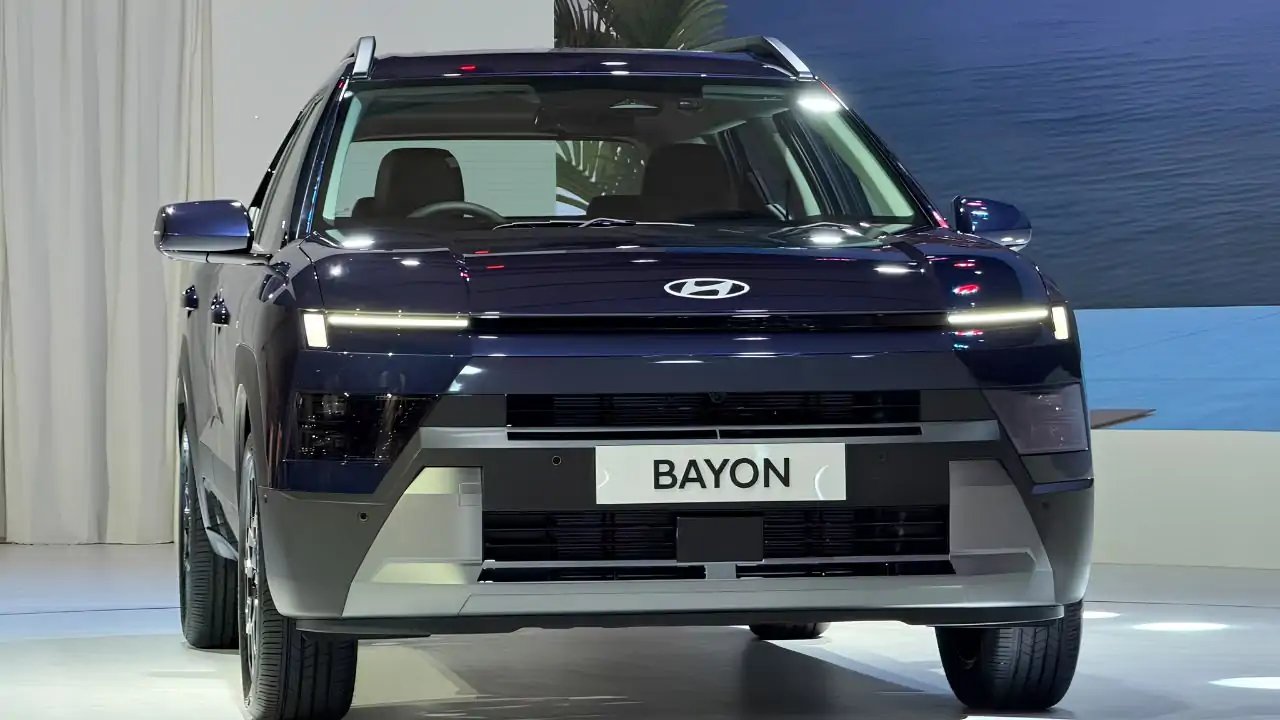
For buyers eyeing a compact SUV, Hyundai’s new Bayon pulls the curtain on a price spectrum that stretches from ₹9.99 lakh for the entry‑level HX2 manual to ₹17.99 lakh for the top‑end HX10 iVT. That means you can lock in a budget‑friendly model or splurge for a full‑feature package without jumping beyond the 18‑lakh ceiling—great for first‑time buyers. The gap shows how Hyundai layers features, not just price.
The HX2 sits at the base, the cheapest manual. Moving to HX3 bumps the cost by ₹90,000, and the next step to HX3+ adds the same. If you’re after an automatic, the iVT first appears at the HX5 level, raising the price by roughly ₹1.4 lakh compared to its manual sibling. From HX5 to HX10, the price jumps in increments of ₹1.12 lakh to HX6, ₹1.53 lakh to HX8, and ₹1.55 lakh to HX10.
Every trim comes with a solid safety kit—six airbags, ESC, and 35+ other features. The HX2 still sports LED projector headlamps and a 4.2‑inch digital cluster, while the HX8 adds ventilated front seats, a powered driver seat, and a 360‑degree camera. ADAS modules trickle up the range, so ask which tech is available before you pick a trim.
If budget is king, the HX5 manual is the sweet spot—first trim that offers the iVT option but stays close to the base price. For those who want the automatic without paying for the upper trims, HX5 iVT starts at ₹13.85 lakh. The HX8 and HX10 are for buyers who value ventilated seats, a 360‑camera, and the full tech stack, but they push the price over ₹15 lakh.
Bookings opened at ₹11,000 and deliveries are slated for the festive season, with the model rolling out across major metros in October 2026. Pay attention to the exact city‑wise rollout and any dealer incentives that might shave a few lakh off the final bill. That’s the latest on a vehicle that lets you choose your level of luxury without breaking the bank.