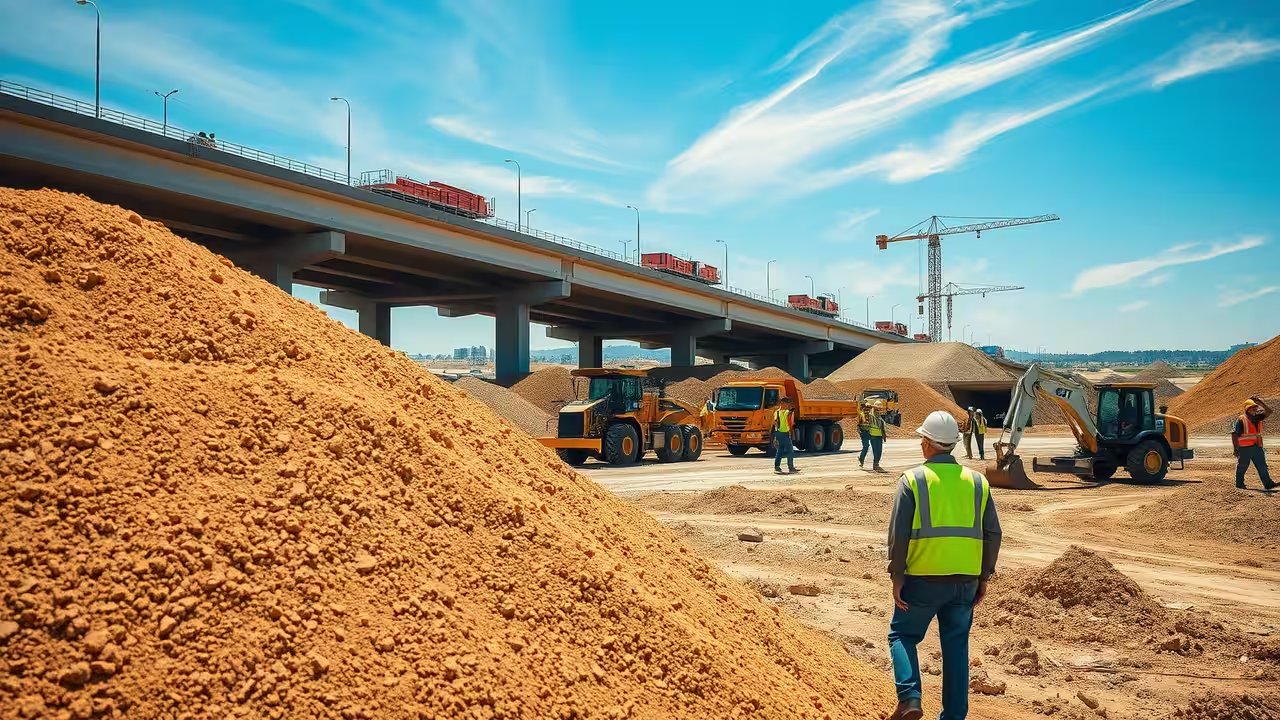
Waupaca Foundry supplied 80,000 tons of used foundry sand as structural fill for Highway 10 near Waupaca, Wisconsin, in 2002. The material, hauled from the plant to a temporary staging site in 2001, was placed under a clay cap and monitored with lysimeters to track leaching. The EPA’s October 2002 case study confirms the sand meets state environmental standards.
The pilot began a decade earlier, when the University of Wisconsin‑Madison examined whether spent sand could replace conventional borrow. In 1990, the state Department of Transportation tested 15,000–20,000 tons of Waupaca sand in a small highway stretch, finding no adverse effects. By 1992 the foundry had earned Category 1 status under Wisconsin Administrative Code Chapter NR 538, after meeting composition and leachate criteria.
For Highway 10, the DOT ordered a ten‑month staging period, during which the sand was stored near the future embankment. Lysimeters were to be installed at four points to sample leachate weekly, with thresholds set by the Department of Natural Resources. Waupaca was required to investigate any exceedances, retest the collected leachate, and propose remedial actions.
The project’s total cost hovered between $9.00 and $9.25 per ton, including transport, monitoring and maintenance. Although reuse added line‑cap costs, the overall price matched that of virgin fill and municipal landfill options, according to DOT staff. The foundry’s own estimates projected disposal costs at roughly the same level, making reuse an economically neutral choice.
EPA’s report, while not detailing monitoring results, notes that the sand performs on par with fresh borrow in structural fill, and that in clay‑rich soils it can even be superior. With its Category 1 certification and proven cost‑effectiveness, Waupaca’s sand is poised to be a staple in future highway projects across Wisconsin, pending continued compliance with environmental monitoring.