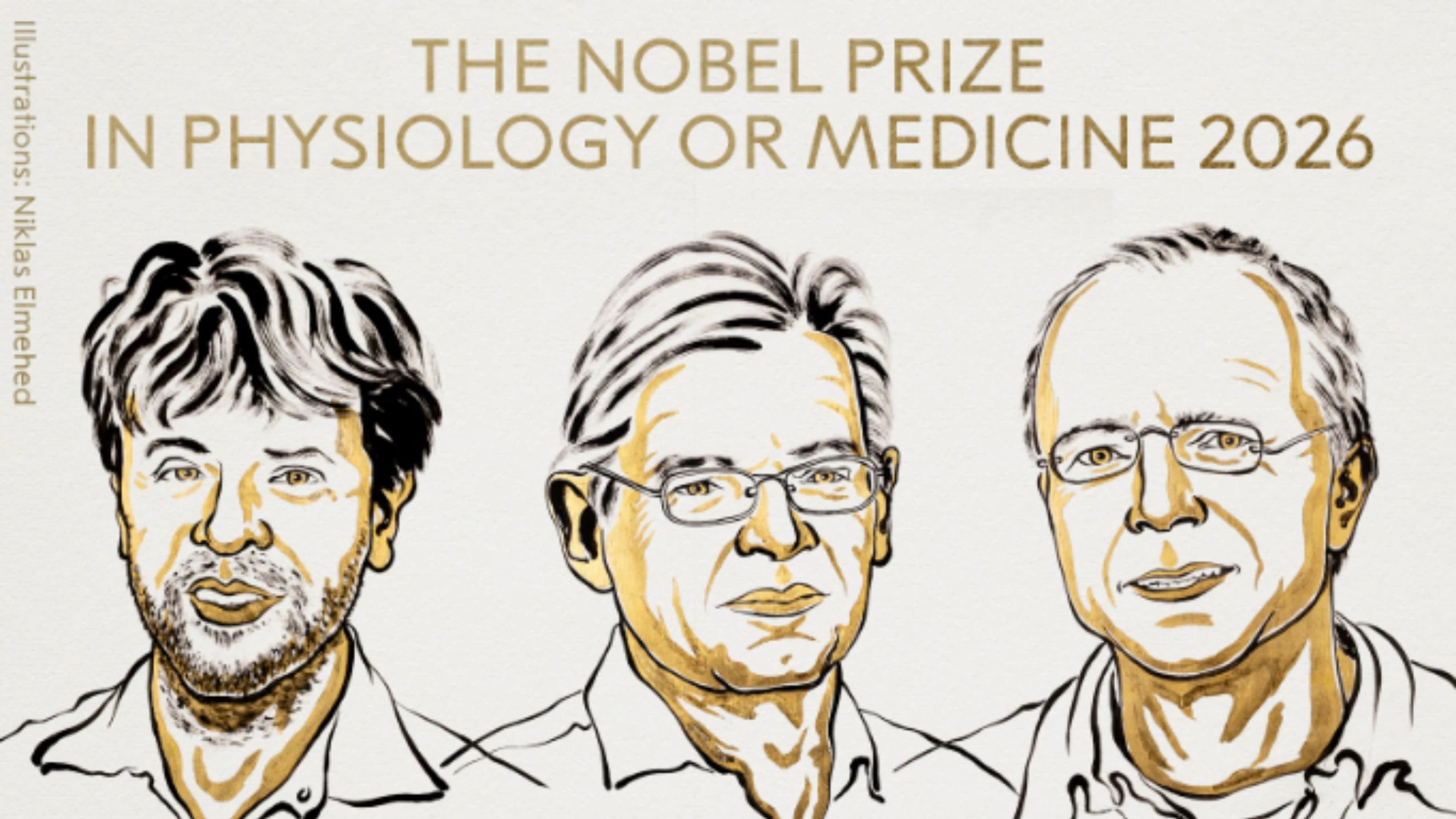
The announcement came from the Karolinska Institute’s Assembly on Monday, with the laureates representing Stanford University, Humboldt University in Berlin and the University of Wurzburg.
Optogenetics began when Hegemann observed a single-celled green alga swimming toward light, discovering a protein that opens an ion channel when illuminated by blue light.
Nagel and Hegemann later isolated this protein and, by inserting it into other cells, made them light‑sensitive—an innovation that Deisseroth adapted for neuronal control in living mice.
The Assembly’s statement hailed the technique as “now being used in laboratories around the world to reveal the brain’s mysteries,” calling it a new era in neuroscience.
The 12 million Swedish kronor award will fund further optogenetic research and signals the field’s growing importance across scientific institutions.
With the medicine prize concluded, Nobel week moves to physics on Tuesday, chemistry on Wednesday, and literature on Thursday, while the economic sciences prize is set for 12 October.