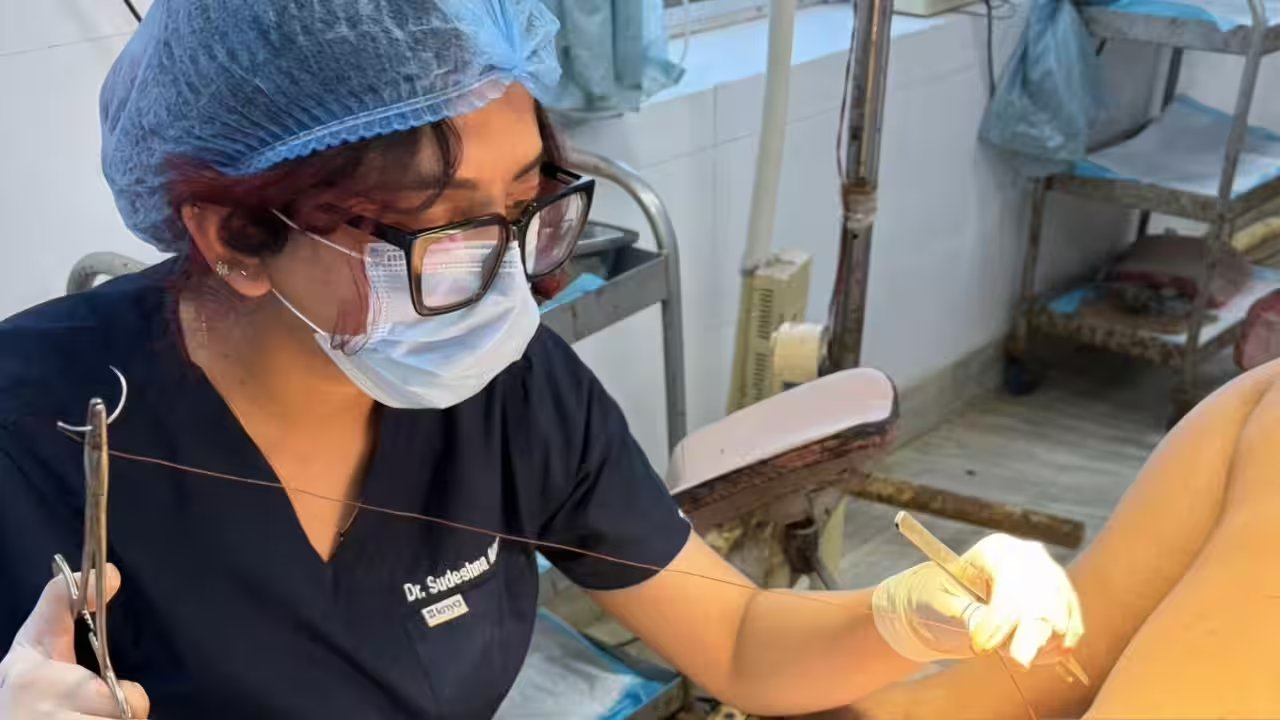
The reality of delivery is often hidden behind hospital doors, but the physical aftermath is a very public, very personal beauty challenge for millions of new mothers. Whether it’s a C-section or an episiotomy, the skin goes through a traumatic healing process that demands a different approach than your usual routine. Forget the heavy, fragranced lotions from your pre-baby shelf. Your focus right now is barrier repair and scar minimization, and that starts with simplicity.
Dermatologists consistently recommend silicone-based products as the gold standard for new scars. Silicone sheets or gels (like Kelo-Cote or Dermaline) create a semi-occlusive layer that keeps the area hydrated and reduces redness without clogging pores. Apply these to the healed wound—never on open stitches—as directed, usually twice daily. The texture is thin and flexible, designed to sit under clothing without irritating sensitive postpartum skin. It’s not a magic eraser, but it is the most evidence-backed step you can take to flatten and fade the mark over the next six months.
Sun exposure is the silent killer of scar health. UV rays can hyperpigment healing tissue, turning a fading pink line into a permanent dark mark. And we’re talking hard sun protection here. Use a broad-spectrum SPF 50 mineral sunscreen (zinc oxide or titanium dioxide) on the area if it’s exposed. Mineral formulas are less likely to sting or irritate fresh skin compared to chemical sunscreens. This is non-negotiable, even in winter or with clouds, because UVA rays penetrate glass and fabric.
Finally, be patient and kind to your skin. Avoid picking at scabs, and skip exfoliants or retinoids on the healing area until it’s fully closed and approved by your doctor. The goal isn’t instant perfection; it’s gentle, consistent care that supports your body’s natural repair. Keep your routine boring: cleanser, moisturizer, silicone, SPF. That’s it. Your skin is working hard to heal you, so let it do the job with the right support.