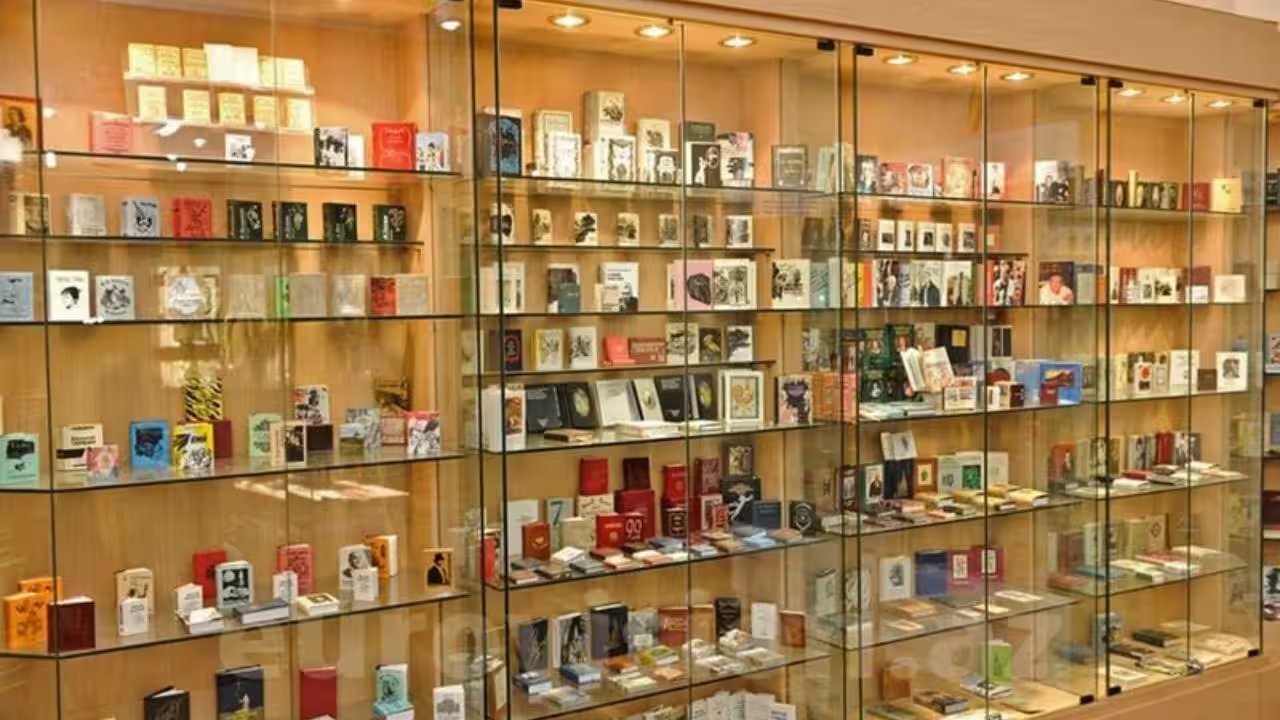
Zarifa Salakhova’s decades-long obsession with tiny texts now occupies a glass-fronted museum in Baku’s Old City, near the Palace of the Shirvanshahs. The collection holds 8,000 miniature publications from 76 countries, ranging from religious texts to literary classics. It is not just a hobby; it is a certified global archive.
The story began in 1982 in Moscow. Salakhova purchased an 1835 facsimile edition of Ivan Krylov’s Fables. That single book triggered a 30-year quest that ended with the museum opening its doors in 2002. AZERTAC, the state news agency, confirms the timeline. She spent three decades gathering editions before inviting the public in.
Inside, the scale defies logic. Some books are no larger than a matchbox. Others are postage-stamp sized. The largest do not exceed 10 by 10 centimetres. But the smallest? A 2 by 2 millimetre book. Visitors need a magnifying glass just to see the text. Japanese and German micro-books sit among the rarest pieces.
The holdings are diverse. A 17th-century miniature Quran stands as the oldest item. A 1815 London edition of A History of England sits nearby. J. R. Patterson, writing for World Literature Today, highlights a Japanese edition of Flowers of the Four Seasons measuring three-quarters of a millimetre square. It has 22 illustrated pages. The entire work fits under a fingernail.
Guinness World Records recognized the scale in 2014. The museum has held the title for the world’s largest collection of miniature books since then. Salakhova’s effort transformed a personal interest into a public institution. Tourists from across the globe now visit Icherisheher to see these tiny giants of literature.