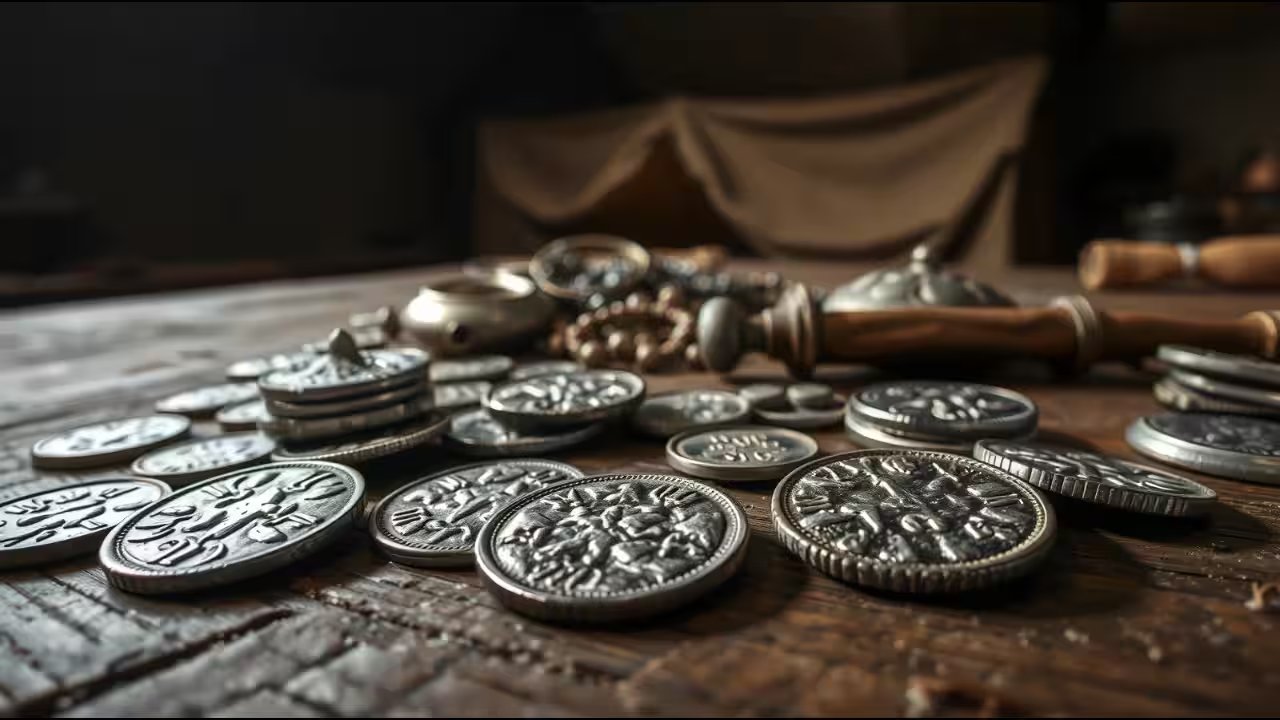
A chance dig for fishing bait near Södertälje just yielded Sweden's most significant medieval monetary archive. In May 2026, the National Heritage Board (Riksantikvarieämbetet) finalized the redemption of the Hörningsholm hoard, awarding the anonymous female finder 4 million Swedish kronor. The payment secures the state's ownership of approximately 24,100 silver coins and 144 additional artifacts, a collection weighing 4.7 kilograms. This isn't just a pile of old silver. It is a tangible record of the 12th-century economy, pulled from the soil of the Mörkö peninsula after a two-year archaeological investigation.
The discovery traces back to 2025, when the woman and her husband reported the find to the Stockholm County Administrative Board. Initial estimates suggested around 20,000 coins. Subsequent expert analysis raised that figure significantly. The hoard contains a rare mix of royal and ecclesiastical currency. Many coins bear the Latin inscription “KANUTUS,” linking them to King Knut Eriksson, who ruled during the latter half of the 12th century. Others are “bishop coins,” depicting figures holding croziers, which were issued in connection with high-ranking clergy rather than kings.
The presence of these specific coin types, alongside Gotlandic issues, gives historians a precise snapshot of medieval trade and society. The National Heritage Board emphasized that the sheer volume of the find makes it invaluable for studying Sweden's contacts and economic structures during the Viking Age and early Middle Ages. The exact location remains confidential to protect the site from looters.
Swedish law mandates that archaeological finds containing precious metals be reported to the state, which holds the right to redeem them. The compensation figure reflects the exceptional cultural value of the discovery while remaining within statutory limits. The hoard will now be cataloged and displayed as part of the national archaeological heritage, outstripping any previous single-burial coin find in the country.