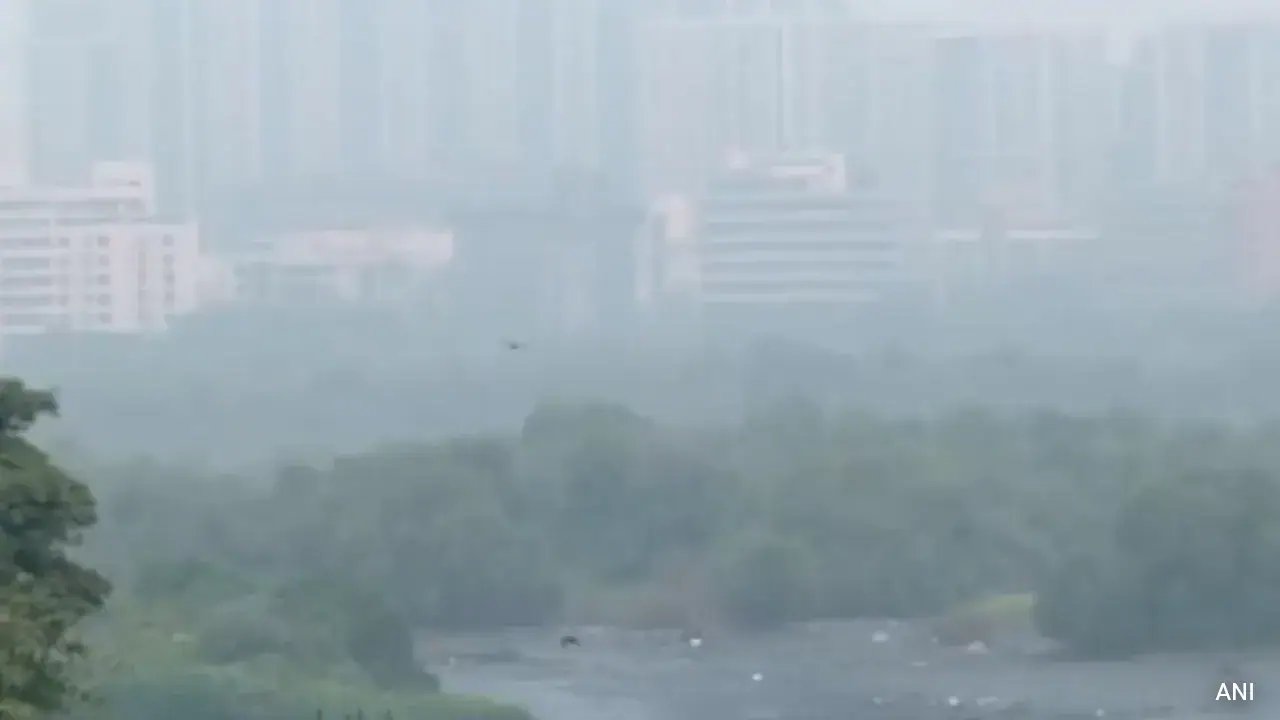
Dr. Gufran Beig, founder‑project director of SAFAR and chair professor at NIAS, IISc, told NDTV that Mumbai’s coming winter will see a dramatic rise in air pollution, driven by a super El Nino that keeps the Pacific Ocean more than 3.2 °C warmer than normal. — The phenomenon will alter large‑scale wind patterns, especially along the coast, creating calmer conditions that trap pollutants close to the ground.
Mumbai’s 24 Oct 2026 AQI reading of 322, the highest in a decade, confirms the warning. The reading places the city in the ‘very poor’ category, far above Delhi’s 176‑point average that day. This spike coincides with a surge in construction activity and vehicle emissions that have long plagued the metropolis.
Beig explained that the milder winter will keep pollutant‑laden water near the surface warmer, while reduced horizontal wind speeds prevent vertical diffusion. When cooler air mixes with this warm, polluted layer, a persistent haze forms, a phenomenon already visible above the city’s skyline.
Residents of the Dharavi slum, already battling heat and overcrowding, have reported increased coughing and breathing difficulties. A local textile factory, one of the largest employers in the area, has pledged to tighten its exhaust filtration in anticipation of stricter regulations.
The state government has announced it will convene a panel of scientists and health officials by early March to draft an emergency response plan. The plan will include mandatory mask distribution, temporary school closures, and a citywide public health advisory if AQI readings cross the 300 threshold again.