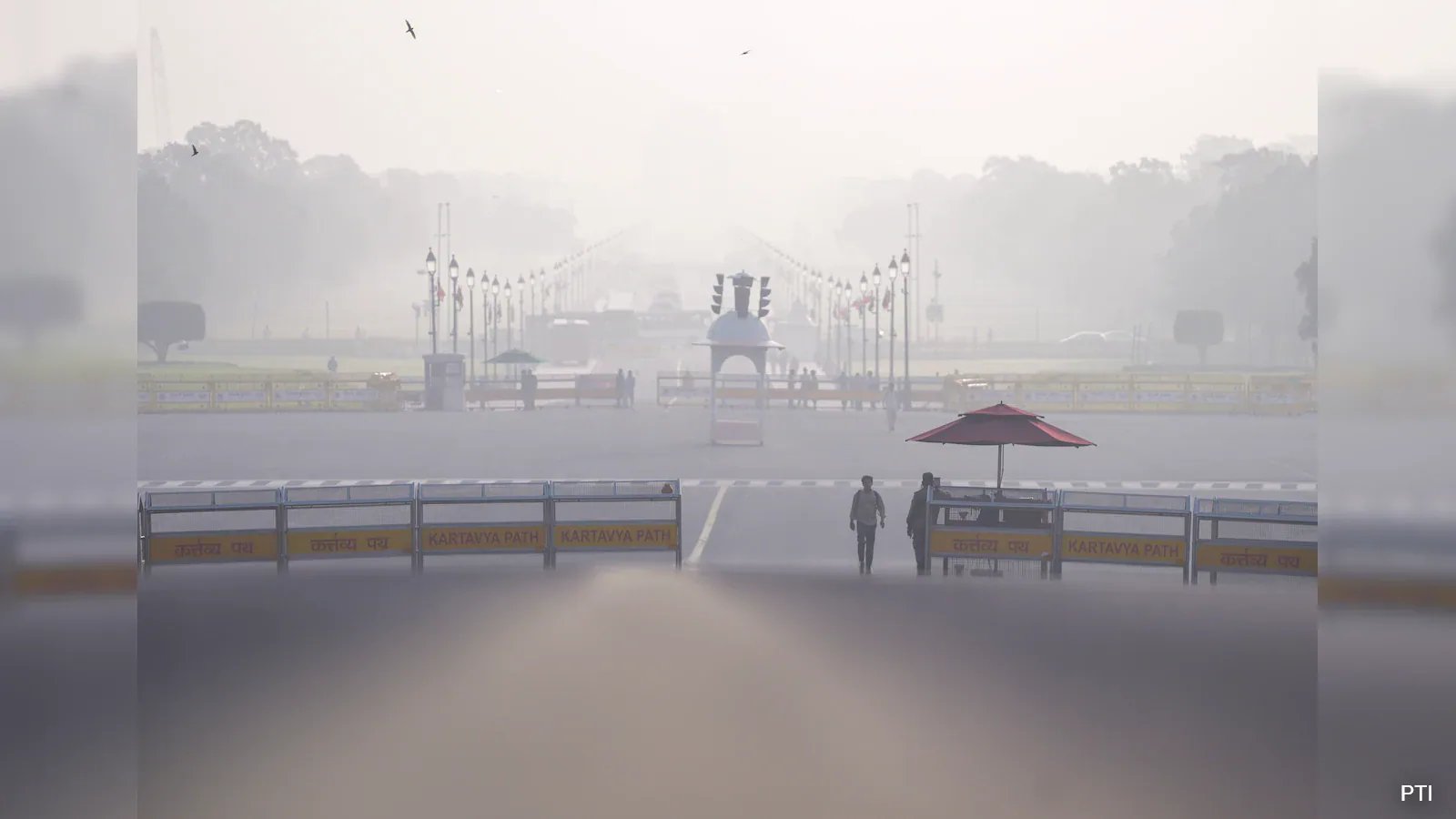
Delhi logged a minimum temperature of 16.2°C on Monday, its coldest spell this month. The city’s maximum dipped to 31.4°C, 0.4°C below the normal mean. Meteorologists noted the shift as part of a broader cooling trend across the north.
The Air Quality Index surged to 174, slipping from 153 the day before. Classified as moderate, this level sits between satisfactory (51‑100) and poor (201‑300). The spike underscores the persistent haze that blankets the capital.
Out of 57 monitoring sites, 18 flagged poor air quality, one reported satisfactory, and the rest recorded moderate conditions. The worst reading, 248, came from CRRI Mathura Road, a congested commercial corridor. The early warning system predicts ventilation rates will stay below 6,000 sqm/s, with winds under 10 km/h, limiting pollutant dispersion.
Transport emissions accounted for 23.8% of Delhi’s pollution, the largest share among sectors. Residential, industry, construction, energy, waste, and road dust together added the remaining 76.2%. The city’s air quality is slated to deteriorate to poor on Oct 27‑28 before easing to moderate on Oct 29.
Satellite data from ICAR-Indian Agricultural Research Institute logged 112 farm-fire events across Rajasthan, Madhya Pradesh, Uttar Pradesh, Uttarakhand, Punjab, and Haryana on Oct 25, none in Delhi. Stubble burning contributed up to 4.6% to Delhi’s pollution, per the Decision Support System. Across six states, 1,935 fire incidents were recorded between Sep 15 and Oct 25.
The India Meteorological Department forecasts clear to partly cloudy skies until Oct 28, with thunderstorms and rain possible on Oct 29–30. Residents in heavily trafficked zones may see air quality slip to poor levels as transport pollution peaks. Local authorities are expected to issue health advisories ahead of the forecasted downturn.