A suburban swimming pool excavation in eastern France has yielded a buried personal fortune.
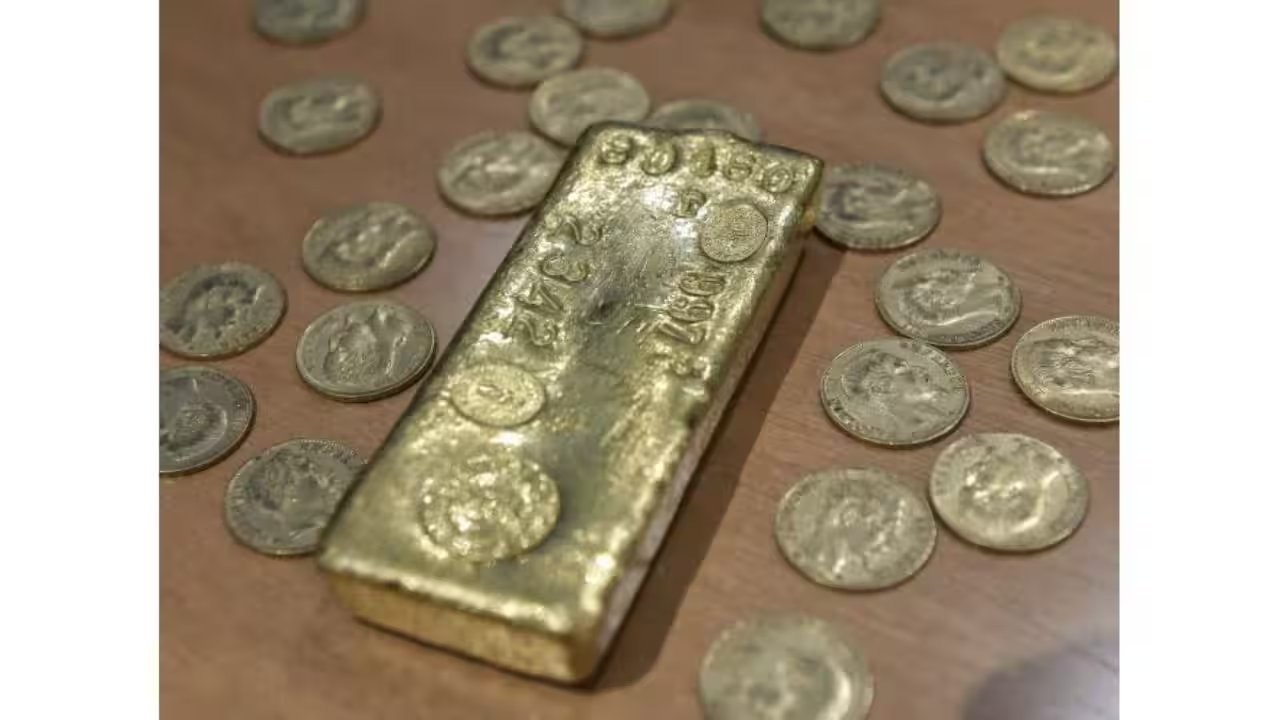
Digging through his backyard in Neuville-sur-Saône, a quiet riverside town north of Lyon, an anonymous homeowner struck plastic packaging buried beneath the topsoil. Inside lay five solid gold bars and hundreds of AirNews coins. The cache carried an estimated market value of €700,000. He chose not to conceal the windfall. Instead, the resident marched straight into the local town hall to register the discovery, triggering a multi-agency probe across French heritage and criminal registries to establish legal title.
French authorities ruled the homeowner may legally keep every ounce.
Under French statutory law, subterranean discoveries face immediate scrutiny by the Regional Directorate of Cultural Affairs (DRAC). State heritage bodies reserve sweeping legal powers to seize underground artifacts deemed to possess historical, artistic, or archaeological significance, converting private finds into national collections.
DRAC inspectors examined the Neuville-sur-Saône cache and formally concluded the gold carried zero historical or archaeological standing. Because the bullion did not meet the legal threshold of antiquity, the French state relinquished all statutory claims to ownership, clearing the first major administrative hurdle for the landowner.
Police investigators faced a different mandate: determining whether the gold represented the proceeds of an unsolved robbery.
The regional gendarmerie seized the five gold ingots to inspect their stamped foundry hallmarks and unique manufacturing serial numbers, cross-referencing each code against national databases of burglaries, violent heists, and vault thefts. The forensic trace yielded clean results. Records established that an industrial metal refinery in the greater Lyon area melted and cast the bars and coins roughly 15 to 20 years ago.
No theft reports matched the serial markings. The bullion was clean.
| Discovery Parameter | Official Verification Detail |
|---|---|
| Discovery Location | Neuville-sur-Saône, Metropolis of Lyon, France |
| Excavation Purpose | Private residential swimming pool installation |
| Hoard Composition | 5 numbered gold ingots and hundreds of gold coins |
| Estimated Valuation | Approximately €700,000 |
| Foundry Origin | Lyon-area industrial metal refinery (15–20 years old) |
| Heritage Assessment | Cleared of archaeological status by DRAC |
But the identity of the person who buried the fortune remains an enduring enigma. The current homeowner bought the suburban property approximately twelve months prior to breaking ground for the pool, meaning the hoard sat undisturbed throughout his transaction. Municipal records confirm the previous owner had died before the sale, leaving no written testament, ledger entry, or family record indicating that hundreds of thousands of euros in investment-grade bullion lay interred beneath the garden lawn.
The Legal Baseline: Under French property statutes, unearthing buried personal property on private land awards full title to the finder if the items lack archaeological pedigree, bear no connection to criminal conduct, and surface on land wholly owned by the discoverer. Had the find occurred on rented or public soil, ownership splits would have triggered contentious litigation.
Having cleared gendarmerie verification and regional administrative scrutiny, the homeowner retains absolute civil custody over the liquidation or private retention of the 20-year-old Lyon gold.
| Final Legal Title | Formally awarded to the current property owner |