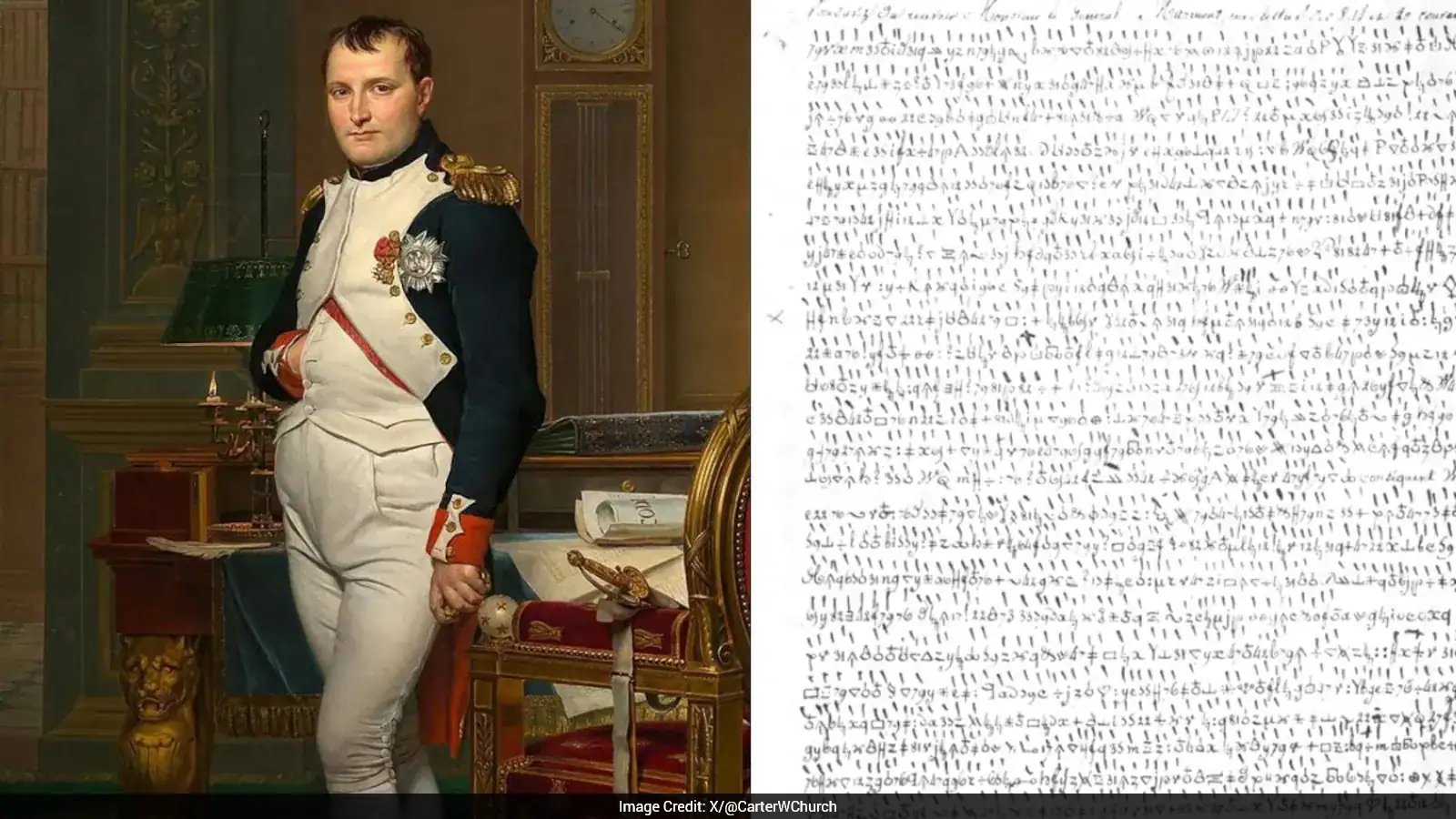
Carter Church, an engineer at SentinelOne, used OpenAI’s GPT‑6 Astra to transcribe a 1809 letter from Napoleon’s stepson Eugene to General Auguste de Marmont within six hours, a feat that cracked a 217‑year‑old cipher.
The letter, preserved in a French archive, had long perplexed scholars because its 24 lines after the opening French phrase were a jumble of two‑digit numbers, stray letters and invented symbols, obscuring details of French and Austrian troop movements on the eve of the 1809 war.
Astra’s workflow began with a single image of the handwritten document. The model parsed 1,300 hand‑drawn signs, located a partial key unrelated to the letter, and then solved the remaining cryptic text via a simulated‑annealing algorithm.
Church posted the breakthrough on social media, noting that the letter completes a gap in Napoleon’s own memoirs, where an order to Marmont cuts off mid‑sentence. The full message, now accessible, is a war briefing sent two weeks before Austria’s invasion.
Historians now have a primary source that clarifies troop dispositions, a detail that could alter interpretations of the 1809 campaign. A symposium in Paris later this month will feature the letter’s publication and discuss its implications.
Professor Jean Dubois of the University of Paris, who has studied Napoleonic correspondence for decades, said the deciphered text “provides an unprecedented glimpse into the strategic mind of Napoleon.”