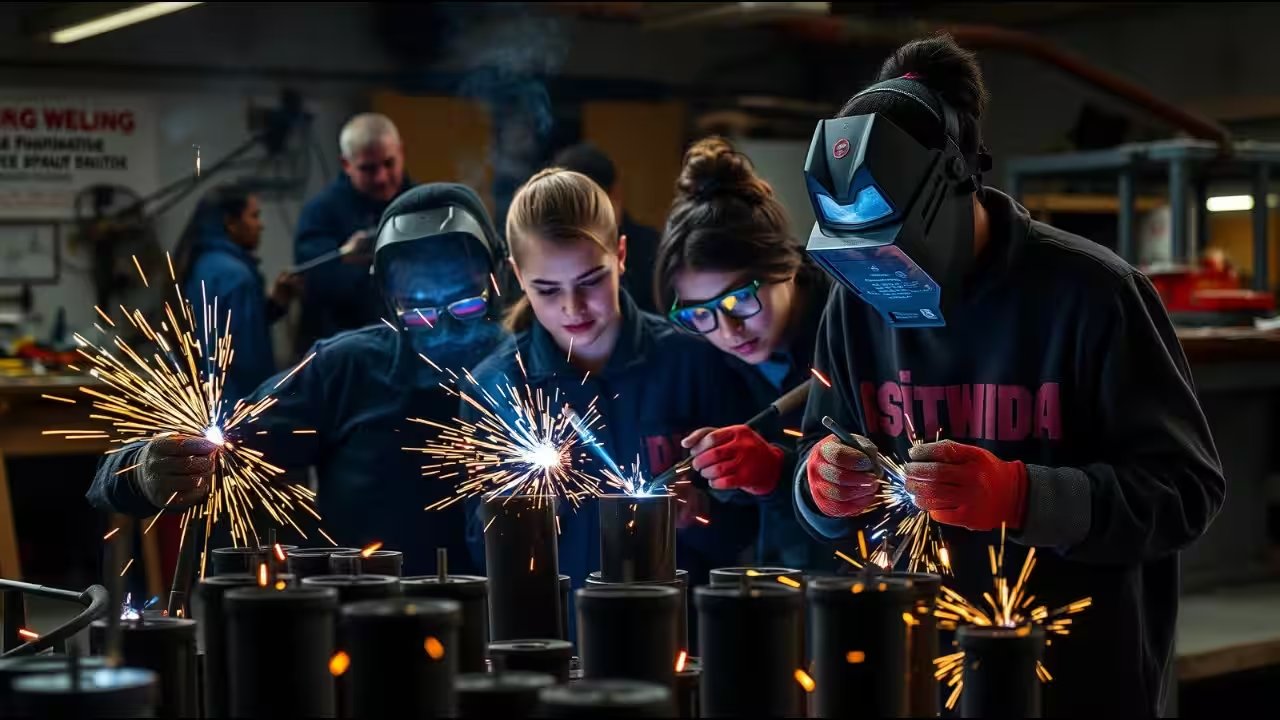
In September 2026, welding students from George Stone Technical College repurposed damaged metal signposts into microhabitat modules and welded them onto Florida Limestone Artificial Reefs off Escambia County’s nearshore east site. The pilot aims to add shelter for small fish and invertebrates.
The project, dubbed "reef‑cycling", is a joint effort between Escambia and Santa Rosa counties, the Florida Fish and Wildlife Conservation Commission, and the college, all working under a $1.1 million grant.
Each microhabitat is built from three aluminium tubes welded together, then bolted to a 1.5‑meter concrete reef block, creating niches for octopuses, lobsters, and juvenile amberjack. Glenn Arney, welding instructor, said the hands‑on training gives students real‑world experience.
Three microhabitats have so far been installed on three of the 42 reef modules deployed; officials will monitor colonization rates to gauge shelter efficacy. Robert Turpin, Escambia County Marine Resources Division Manager, said the data will inform future reef designs.
The regional reef program plans to finish deploying all 124 concrete modules by 2027, with microhabitats added to each module in subsequent deployments.
Local fisherman Miguel Torres, who has watched the reefs grow, says the new structures look promising for lobster nurseries.