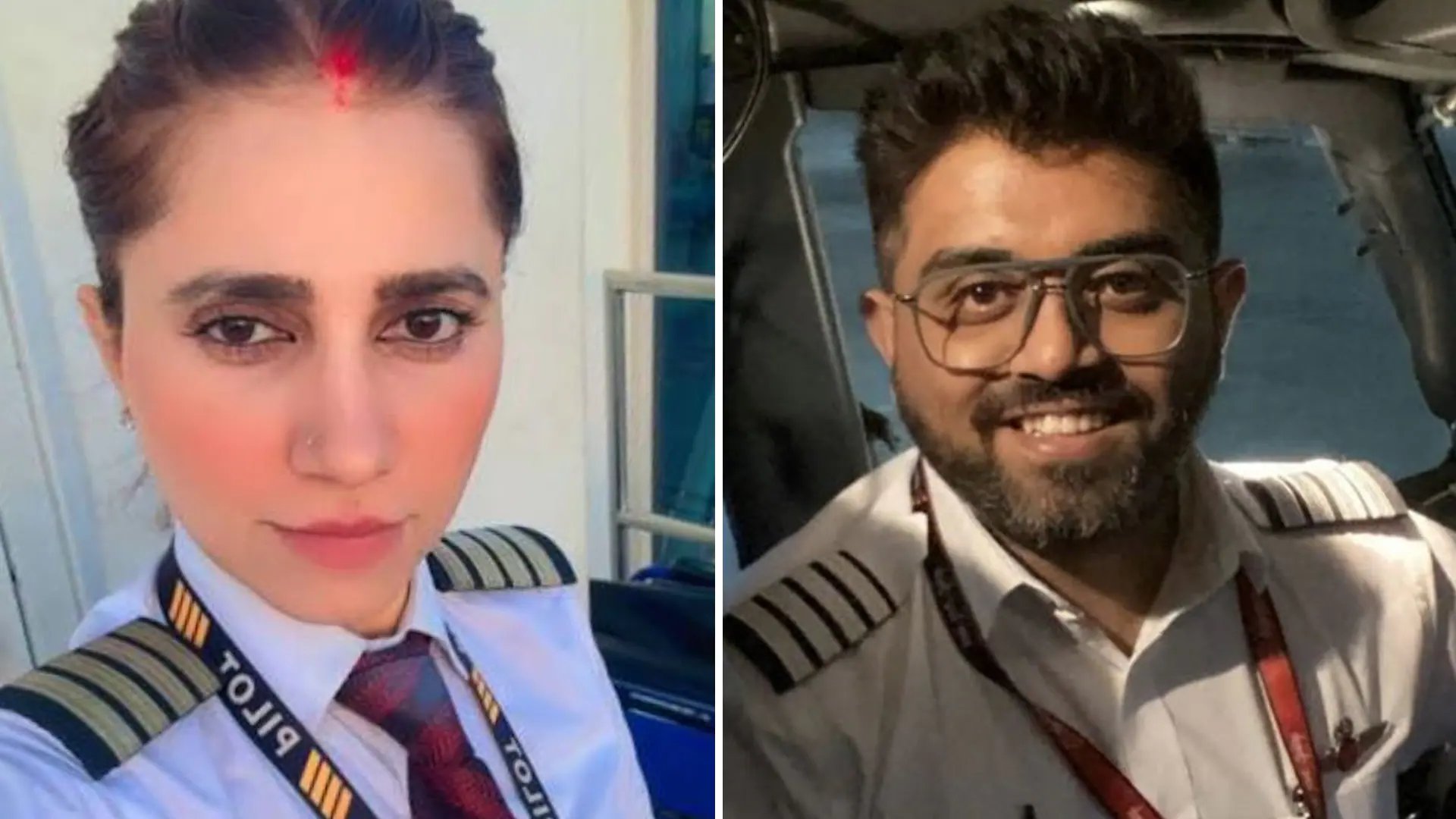
On September 30, a Dubai‑Tel Aviv flight was thrust into chaos when a co‑pilot stabbed Captain Smit Machchhar as the aircraft hovered over the Arabian Sea. The attacker was immediately seized—no witnesses saw the exact moment the cockpit door was forced—while the captain, still bleeding, triggered emergency protocols. His actions kept 174 passengers alive, according to the airline.
SpiceJet ex‑pilot Teena Goswami, who flew with Machchhar before his move to flydubai, described the incident as a test of presence‑of‑mind that only rigorous training can prepare for. 'We drill for every scenario, six‑monthly and in simulators,' she said. The cockpit door was opened by the captain himself, a move that bought precious seconds for the crew to manage the emergency.
The assailant, now in Saudi custody after the plane landed in Jeddah, faces charges of assault and endangering flight safety. The incident has prompted an inquiry by the Directorate General of Civil Aviation, which will examine cockpit security and crew training protocols.
Indian Prime Minister Narendra Modi spoke to the injured pilot via a brief video call from his hospital bed in Abu Dhabi, thanking him for his bravery. Israeli Prime Minister Benjamin Netanyahu also hailed Machchhar as a hero in a statement released by the Israeli Ministry of Transport.
The event has reignited discussions on cockpit safety worldwide, with airlines pledging to review their security procedures. A formal report is expected by the end of the month, and the investigation will determine whether additional safeguards are needed.