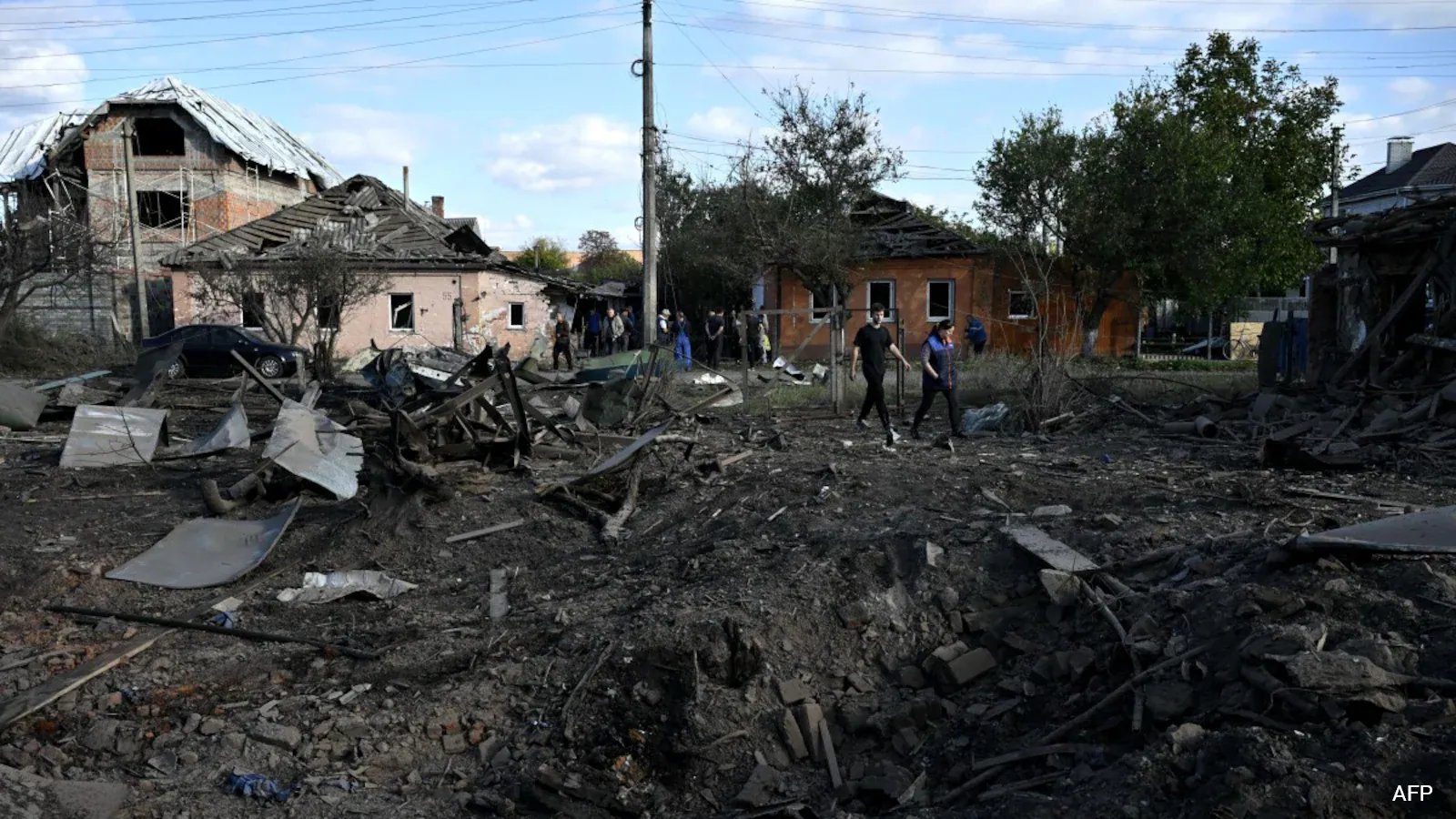
Russia launched 50 missiles and 130 drones at Ukrainian targets on the night of Wednesday, May 28, killing 28 civilians and five children in the town of Pryluky in the Chernigiv region. The 5‑storey apartment block was reduced to a smoking pile of charred concrete, with windows shattered and half the building collapsed.
President Volodymyr Zelensky, calling the strike "one of the most vile," noted that 20 of the 28 deaths occurred in Pryluky. He added that three of the dead were 12‑month‑old infants and an eight‑year‑old boy, while a sixth child was recovered from the rubble later that evening.
Other casualties were reported across the country: two people died in a high‑rise in Kremenchuk, two more in Oleksandriya, and a fire in Kyiv’s Darnytskyi neighbourhood claimed two lives. Power outages plunged parts of the capital into darkness, and water cuts affected the right bank.
Ukraine’s air force said it intercepted five ballistic missiles, 39 cruise missiles, and over 100 drones, but admitted that fast‑moving jet‑powered drones and new ballistic weapons remain a growing challenge. Defence Minister Yuliia Shamrai described the situation as "absolutely terrifying," while Mayor Vitali Klitschko urged the city to remain on war footing.
The human toll is stark: a 40‑year‑old massage therapist, Olena Sayun, described how her apartment windows blew out while her child slept, and a bank employee, Iryna Rybalchenko, hunkered down in a subway station with her duffel bag as sirens wailed.
In response, Zelensky will convene an emergency session of Parliament tomorrow to seek urgent funding for upgraded air‑defence systems and will request immediate assistance from NATO allies. The next day’s vote will decide whether Ukraine can deploy additional missile interceptors across critical regions.