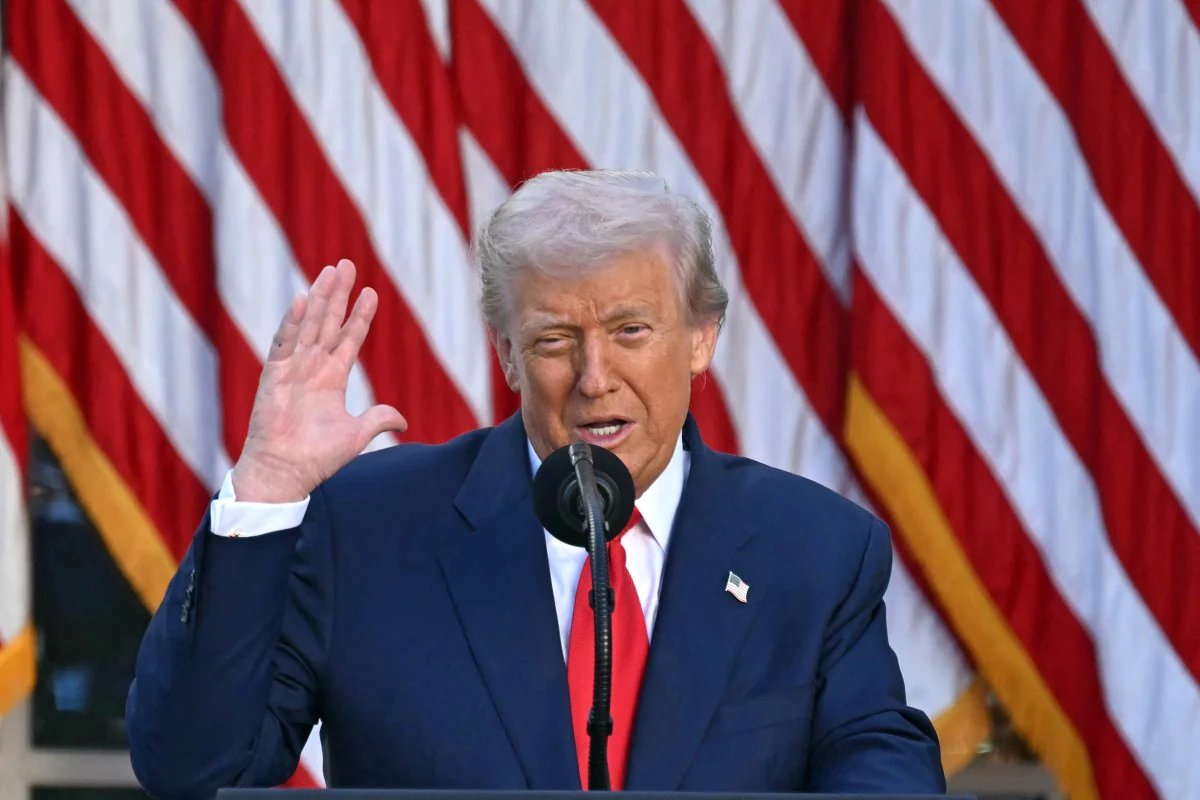
Donald Trump told reporters in Washington on Wednesday that the US had "taken away" Iran's nuclear power, a claim he used to justify the ongoing military campaign. "If they had nuclear power, you would have had problems like you have never had before," the President stated while departing for a Republican rally in San Antonio. He predicted the war would end "very quickly," adding that global oil prices would "come tumbling down" once hostilities ceased.
Tehran pushed back immediately. Iranian government spokesperson Fatemeh Mohajerani dismissed Trump’s assertion that the Iranian oil minister resigned under US pressure, labeling it a "futile effort to hide his own failures." Mohajerani clarified to Al Jazeera that the resignation reflected internal flexibility within a stable system, not weakness.
The diplomatic track remains fragile. Foreign Minister Abbas Araghchi stated that while Iran remains determined to defend itself, officials are serious about using diplomacy to secure national security. Araghchi revealed that Iran’s UN delegation in New York had presented a seven-day proposed peace plan to reopen the Strait of Hormuz. Trump rejected that proposal days after it was presented, and US officials subsequently issued a counterproposal seeking to revive negotiations.
Vice President JD Vance outlined the non-negotiables for any deal. In an exclusive Reuters interview, Vance insisted that Tehran must carry out a "meaningful" cut in its nuclear enrichment capacity before Washington would halt the seven-month war. "If you don't want a nuclear weapon, then why do you need 60% enriched fuel?" Vance asked, emphasizing that verbal pledges were insufficient. "We're not going to trade words for actions," he said.
The administration faces mounting domestic pressure. Rising fuel prices have unsettled energy markets and become a sensitive issue ahead of the November midterm elections. Vance acknowledged that Washington still lacks clarity on who holds ultimate decision-making power in Tehran, casting doubt on the authority of President Masoud Pezeshkian and Foreign Minister Araghchi. Iranian Foreign Ministry spokesman Esmaeil Baghaei countered that the US is fully aware of Iranian decision-making processes and blamed the stalemate on "contradictory positions" from Washington.
Vance also addressed military logistics, rejecting suggestions of critical munitions shortages after conferring with field commanders. He assessed that while Iranian forces retain the ability to hit commercial vessels, they are largely incapable of fully blocking energy shipments through the Strait of Hormuz. The next phase of negotiations hinges on whether Tehran accepts Vance's demand for concrete reductions in enrichment levels before any ceasefire is considered.