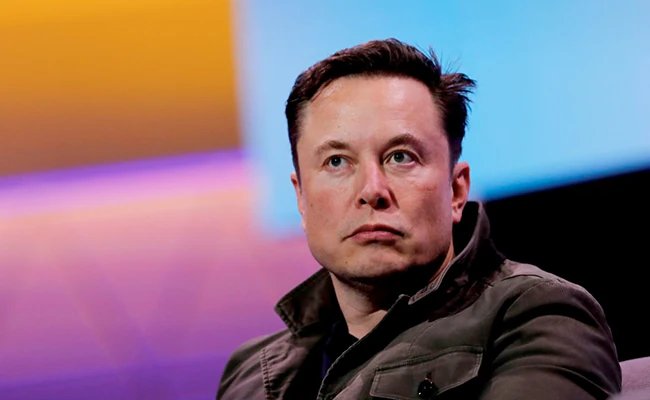
Elon Musk took to X on Thursday, blasting the Indian regulatory framework and labeling the block of its satellite service a crime committed by "oligarchs". He urged Prime Minister Narendra Modi—though the tweet misnamed him as "Ambani"—to grant the licence, arguing that Starlink could bring internet to remote villages and help save lives during natural disasters.
The 2‑minute tweet cited that 165 countries already license Starlink and that the company has spent five years complying with every law in India. Musk added that the lack of a licence denies children educational opportunities and hinders small businesses from accessing global markets.
In a statement released the next morning, the Ministry of Communications dismissed the allegations as baseless. "We have put a fair and non‑discriminatory authorisation framework in place for all telecommunication services, including satellite communication services," the ministry said, noting that a security assessment is currently underway.
Starlink’s application sits among three global satellite operators seeking licences in India – the Bharti‑backed Eutelsat OneWeb and Jio Satellite Communications Ltd, a fully owned subsidiary of Jio Platforms. All must satisfy the same security and regulatory conditions before service can commence.
In the village of Chhattisgarh’s Marathapuri, a family of five still relies on a damaged mobile network. They have turned to satellite internet as a last resort, hoping that a service like Starlink could finally bring reliable connectivity and a gateway to education for their children.
The next step will be the ministry’s final decision after the security assessment concludes, with the industry watching closely for a potential opening in India’s satellite market.