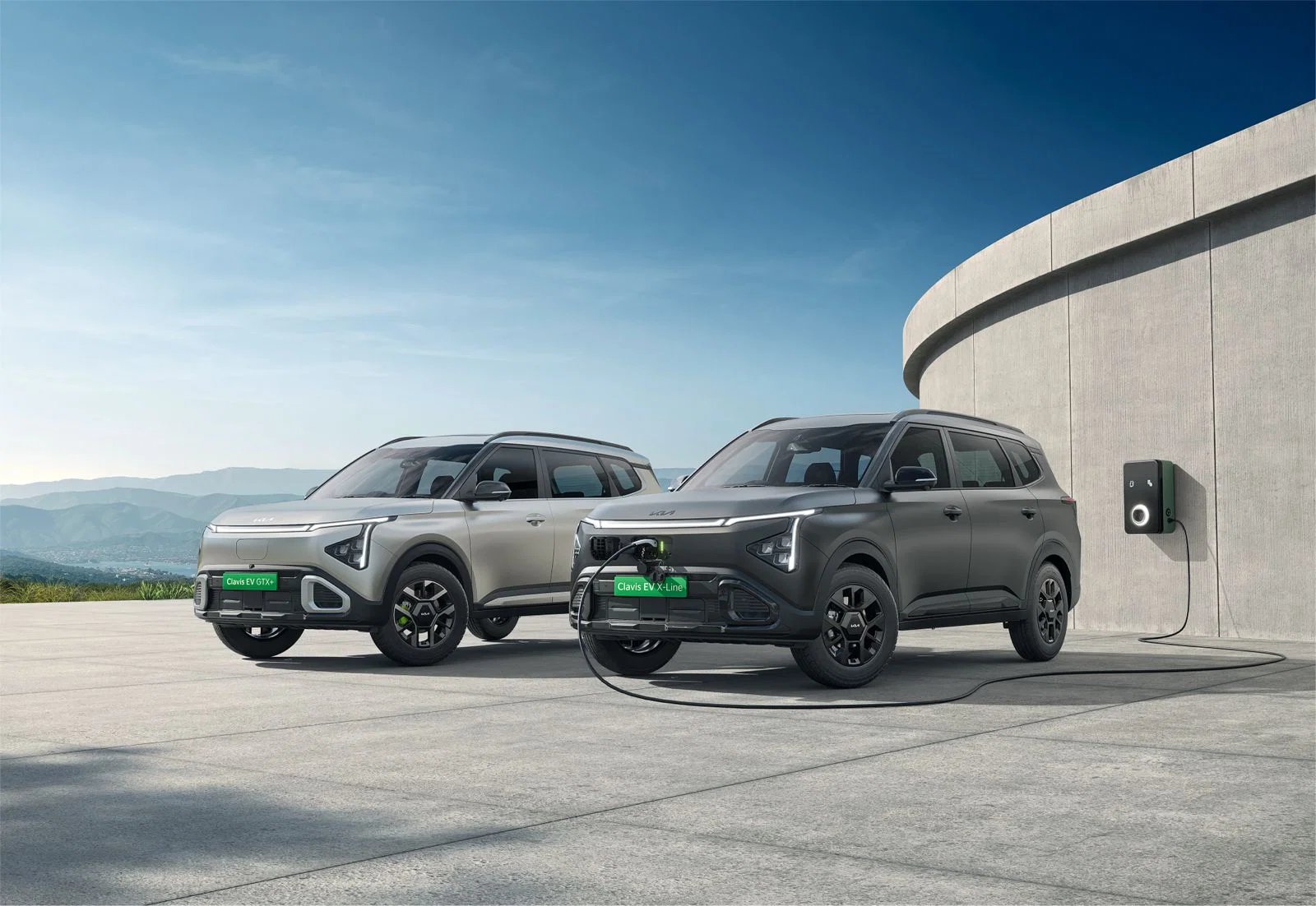
The battery is the most expensive part of any electric vehicle. For years, that cost has been the single biggest factor keeping Indian buyers on the fence. Kia India is trying to remove that hesitation with a massive shift in policy for its Carens Clavis EV. Starting August 1, 2026, any private customer buying a new unit gets a 15-year warranty on the high-voltage battery with no mileage cap. That’s effectively a lifetime warranty for the average owner. It’s a bold move that signals confidence in the cell’s degradation curve, or at least a willingness to eat the cost to win market share.
But it’s not a blanket policy for everyone. Fleet operators, commercial users, and anyone buying a second-hand unit will stick to the standard eight-year or 1,60,000 km coverage, whichever hits first. If you bought the Clavis EV before August 1, you aren’t locked out. You can upgrade to the new 15-year plan for a flat ₹3,400 administrative fee, provided the vehicle passes a health check. It’s a low-friction upsell that likely costs Kia very little but adds significant perceived value to the resale market.
Where does this leave the car in the segment? The Carens Clavis EV is Kia’s entry into the compact SUV/EV space, competing directly with the Hyundai Creta EV and the Maruti e-Vitara. Hyundai has been aggressive with its warranty terms, but Kia’s 15-year offer is a clear differentiator in a market where battery anxiety is still the top search term for potential EV buyers. It positions the Clavis not just as a spec sheet, but as a long-term asset.
Atul Sood, SVP of Sales & Marketing at Kia India, framed it as a move to make mobility "dependable and rewarding." In plain terms, they know the price tag of an EV is high, and the fear of a ₹2-3 lakh battery replacement after five years is a real deterrent. By backing the battery for 15 years, Kia is betting that reliability will drive repeat purchases and fleet conversions later. For the average buyer, this turns a potential financial risk into a non-issue. The ball is now in the rival’s court to match it or differentiate on price.
The new warranty terms kick in for units retailed from August 1, 2026. If you’re in the market for a family EV and were waiting on a major policy shift, this is it. Book your test drive, check the BaaS program options, and keep an eye on how Hyundai and Maruti respond in the next quarter. The EV war in India is moving from horsepower to peace of mind.