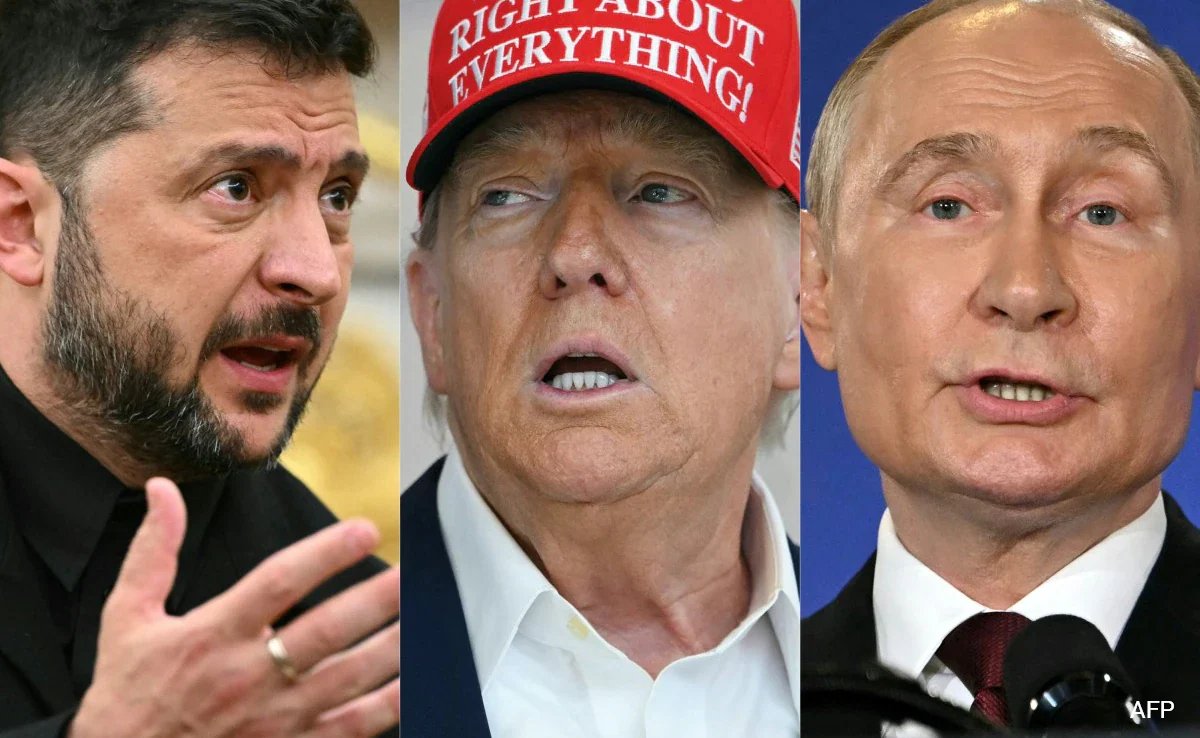
ABU DHABI — Envoys from Washington, Kyiv, and Moscow sat across negotiating tables in Abu Dhabi on Tuesday, ending a nine-month diplomatic freeze in an effort to end Europe's deadliest conflict since World War II.
Peace remains distant. Russian artillery and drone strikes hammered frontline towns right up to the morning of the summit, leaving 55 dead in a Ukrainian village as civilians queued for humanitarian aid. Ukrainian President Volodymyr Zelensky branded the carnage a crude effort by Moscow to bludgeon Kyiv into political submission before talks even started. Russian President Vladimir Putin, who ordered the full-scale invasion 56 months ago in February 2022, continues to reject personal negotiations with Zelensky.
The talks, assembled by US special envoy Steve Witkoff and Donald Trump's son-in-law Jared Kushner, represent the first trilateral table since discussions in Geneva collapsed in February. Trump has pressed aggressively for a swift settlement, declaring that Ukraine will ultimately take on a "different shape" — signalling that Washington may push Kyiv to forfeit sovereign ground. Moscow currently occupies wide swathes of eastern and southern Ukraine and demands the complete handover of the Donetsk region. Kyiv has refused to withdraw from lines its soldiers defended at horrific cost.
European capitals reacted with open alarm to American overtures toward Moscow. Kushner confirmed Monday that an enduring settlement requires sweeping talks between Russia and Europe on broader continental security, conceding that Washington "recognises difficult decisions ahead."
Berlin pushed back immediately.
"For Europe, it is clear: we do not need to establish a new security architecture for Europe," German Foreign Minister Johann Wadephul said Monday, warning Moscow against staging a "negotiation show" in the United Arab Emirates. Zelensky similarly rejected any deal struck over European heads, invoking the 1945 Yalta conference where allied powers divided the continent into spheres of influence.
The Russian delegation arrived armed for broad geopolitical demands. Headed by nationalist presidential aide Vladimir Medinsky, Moscow's team included Deputy Foreign Minister Sergei Ryabkov — the architect of the 2021 pre-invasion ultimatum demanding NATO strip its presence from Eastern Europe. Ukrainian chief negotiator Rustem Umerov mounted a counter-effort, convening parallel coordination meetings with British, French, German, Italian, NATO, and European Union envoys in Abu Dhabi despite Kremlin objections to European participation.
Delegates will spend the coming days testing whether localized ceasefires, modeled after a recent truce in the Kherson region, can yield broader military stand-downs before full winter sets in.