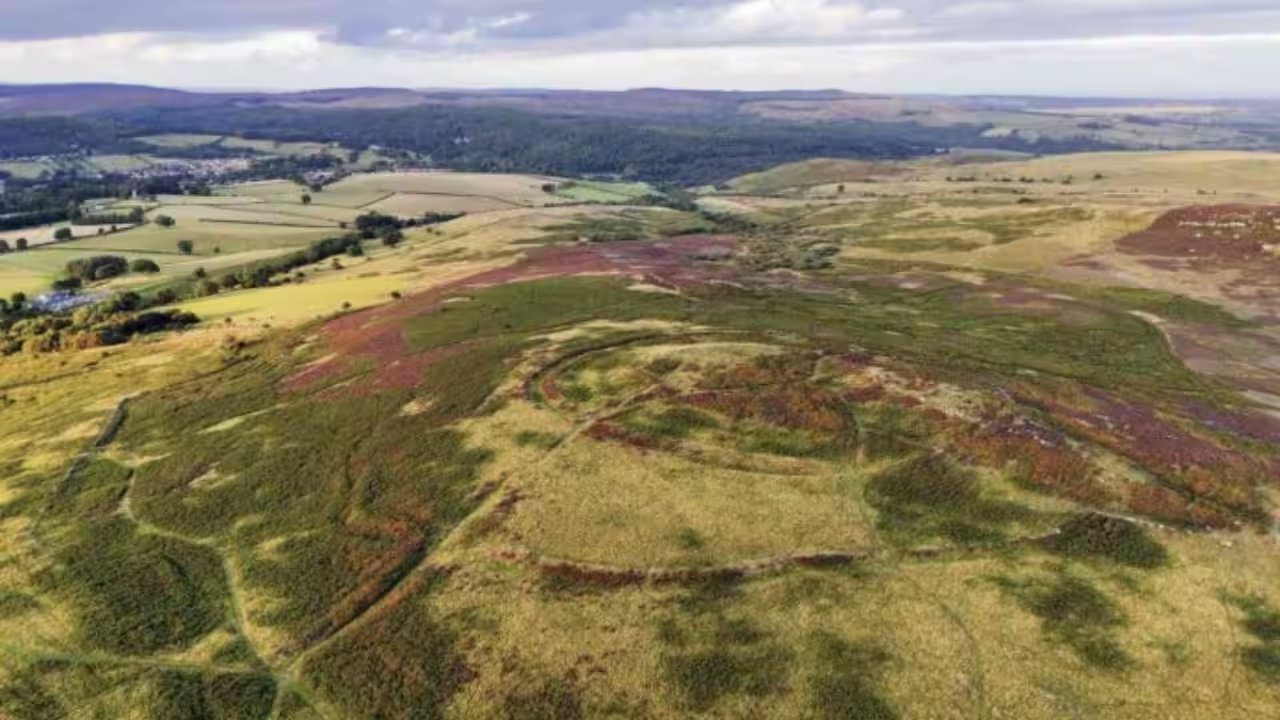
After nearly eight centuries under the ancestral control of the Percy family, the 9,486-acre Rothbury Estate in Northumberland has changed hands. The Wildlife Trusts and Northumberland Wildlife Trust sealed a landmark £30 million purchase on October 30, 2026, snapping up the largest single-owner land parcel to hit the English market in more than thirty years. The charities stepped in after Lord Max Percy, youngest son of the Duke of Northumberland, put the sweeping estate up for sale.
The deal was finalized.
A two-year international fundraising drive pushed the purchase over the finish line, drawing financial backing from over 25,000 donors across 50 nations. Public contributors raised more than £17 million. State and philanthropic backing closed the remaining gap—led by a £5 million award from The National Lottery Heritage Fund and a £1.94 million grant pledged by the Department for Environment, Food and Rural Affairs (Defra). A week-long appeal fronted by veteran broadcaster Sir David Attenborough, president emeritus of The Wildlife Trusts, delivered over £1 million alone. To bridge outstanding pledges, the charities negotiated a low-interest loan to secure immediate land ownership.
| Funding Source | Contribution Details |
|---|---|
| Public Donations (25,000+ donors) | Over £17 million |
| The National Lottery Heritage Fund | £5 million |
| Defra Grant Pledge | £1.94 million |
| Short-Term Loan Facility | Gap financing to complete transfer |
Located near the Scottish-English border, the 3,800-hectare sweep includes heather moorland, upland farms, ancient woods, and rivers. Its ridgelines are anchored by the Simonside Hills—which drop into the Coquet Valley—and portions of the Whin Sill, a volcanic rock formation cast 295 million years ago. Upland bogs shelter wading curlews, lapwings, and merlins, Britain’s smallest falcon. Meanwhile, the estate's woodlands shield endangered red squirrels, while downstream waterways support Atlantic salmon and critically endangered European eels.
The acquisition forms the central anchor of a planned 40-mile nature corridor running from Druridge Bay on the Northumberland coast to the Kielderhead and Whitelee Moor National Nature Reserves. Trust leadership plans to reintroduce lost native wildlife—most notably pine martens and beavers—while reconnecting fractured upland habitats across northern England.
Tensions over the sale persist among local agricultural groups. Tenant farmers and rural representatives warned that sweeping environmental shifts could squeeze food production, alter historical grazing regimes, and erode farm profitability. Trust officials maintained that the purchase will not lock down the valley behind fences. Instead, the trusts plan to open consultations with sitting tenant farmers, land managers, and residents to establish a mixed model combining regenerative farming with active wildlife restoration.