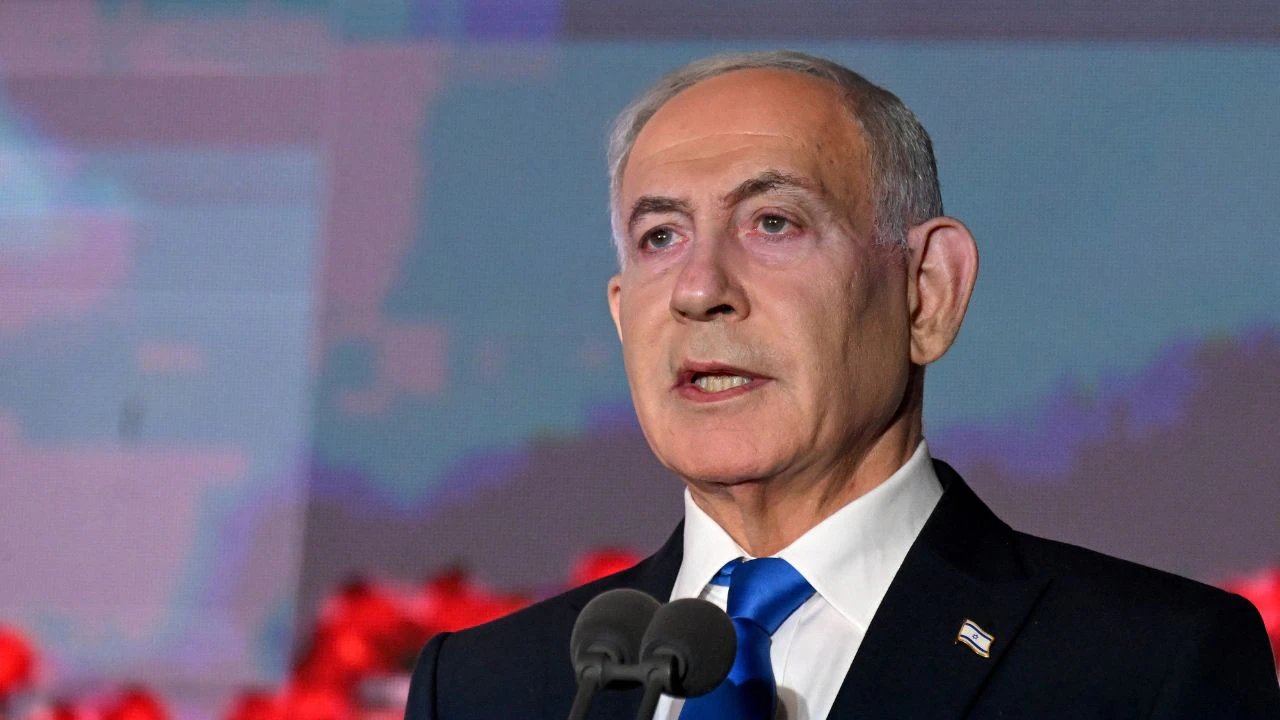
Benjamin Netanyahu faces an aggressive, fractured parliament as Israel's new 120-member Knesset convenes Tuesday, leaving the veteran leader vulnerable despite retaining caretaker executive power. President Isaac Herzog handed former military chief Gadi Eisenkot the official mandate Sunday to assemble a governing coalition. Eisenkot faces steep odds. Neither leader commands an outright parliamentary majority. Yet Netanyahu’s previously decisive 68-seat coalition has collapsed to just 53 seats, leaving his right-wing alliance exposed to legislative ambushes from day one.
Eisenkot’s core opposition bloc controls 48 seats. A record contingent of 19 lawmakers from Arab-majority parties—fiercely opposed to Netanyahu’s hard-right cabinet—now holds the balance of power. While Eisenkot has not formally confirmed whether he will partner directly with Arab lawmakers, the arithmetic firmly strips Netanyahu of legislative control. Assaf Shapira, head of the political reform program at the Israel Democracy Institute, stated that the absence of a seated government does not limit the Knesset's constitutional prerogatives. Eisenkot already cautioned defense brass that Netanyahu lacks a democratic mandate to resume military strikes against Iran, though caretaker statutory rules leave national security operations in the prime minister's hands for now.
| Political Alignment | 120-Member Knesset Seats | Previous Coalition Strength |
|---|---|---|
| Netanyahu Right-Wing Bloc | 53 | 68 |
| Eisenkot Opposition Core | 48 | — |
| Arab-Majority Parties | 19 | — |
Power struggles will detonate during Tuesday's inaugural session over the speaker's chair. Incumbent Speaker Amir Ohana, a staunch Likud loyalist, refused opposition demands to hold an immediate election for his replacement. Ohana insisted that tradition dictates picking a speaker only when a cabinet is sworn in. Three parties allied with Eisenkot sent formal letters demanding a vote on day one. Under Knesset rules, lawmakers can force an election before formal government ratification. Opposition leader Naftali Bennett declared that the bloc will act swiftly to dislodge Netanyahu's grip: "We will take control of the Knesset as quickly as possible."
Parliamentary committees will target Netanyahu's legal shield and wartime record next. The opposition platform centers on establishing a formal national commission of inquiry into the security collapse that enabled Hamas's October 7, 2023 attack. Netanyahu has repeatedly blocked an independent statutory inquiry, advocating instead for an internal panel composed of political appointees. Parliament can bypass cabinet resistance immediately by establishing a special oversight committee to gather evidence and transfer findings to a judicial probe once approved.
Lawmakers also prepared legislation to unwind Netanyahu's contested judicial overhaul. The coalition previously pushed through statutes curbing Supreme Court review powers and easing the dismissal of the attorney general—measures that triggered nationwide street protests before the war. The incoming majority aims to wipe those statutes out. They also plan to scrap military draft exemptions for ultra-Orthodox men, a flashpoint that alienated broad swaths of the electorate as active-duty soldiers face prolonged deployments. Coalition bargaining begins in earnest this week, with Eisenkot facing a statutory four-week window to secure 61 votes.