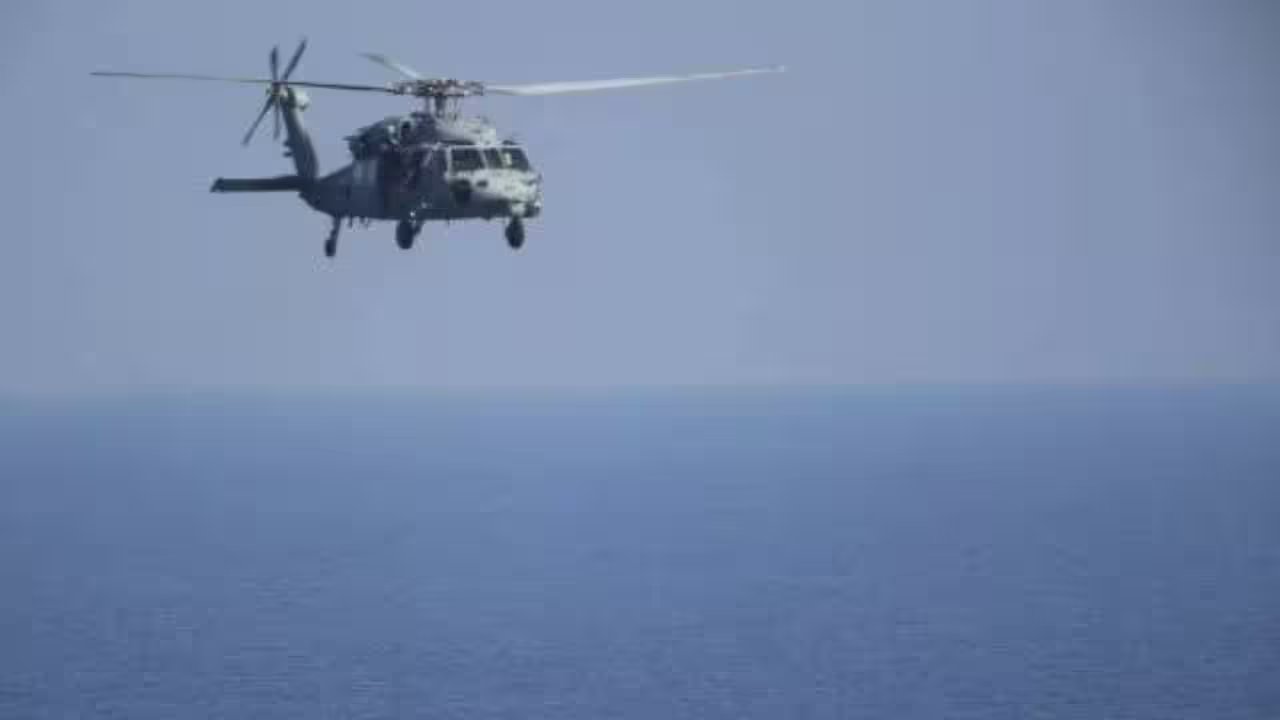
On Oct. 6, the U.S. Central Command (CENTCOM) posted on X that an Iranian state‑media claim of a U.S. Navy MH‑60R helicopter crash in the Red Sea was false. The post cited the emergency transponder code 7700 as the trigger for the false report. CENTCOM stressed that all U.S. aircraft and personnel in the Middle East are safe and accounted for.
Iranian state broadcaster IRIB had reported that the helicopter transmitted the 7700 emergency code the night before, implying a critical event. Tasnim News Agency added that flight‑tracking data showed the aircraft at 475 feet when the code was sent, then dropping to zero before disappearing from the system. The claim suggested a crash into the sea, but no official records corroborate the incident. The footage appeared to be misinterpreted by Iranian media.
CENTCOM clarified that no U.S. Navy helicopter crashed in the Red Sea, and that the aircraft was operating within normal parameters. The command’s statement said the emergency code was a routine check and not an indication of an accident. All U.S. military aircraft and personnel in the region remain operational and secure.
The denial comes amid a broader backdrop of U.S. losses in the ongoing U.S.–Iran conflict, including an F‑35A and an F‑15E, as well as at least 45 MQ‑9 Reaper drones reported lost. Defense analysts note that Iranian state media has amplified unverified incidents to shape public perception. CENTCOM has not issued a formal investigation into the false claim, but it is monitoring the situation.
U.S. officials are expected to review the flight‑tracking data and coordinate with allies to assure transparency. The U.S. is also preparing for potential escalations in the region, with talks scheduled next week to discuss maritime security. The next public update from CENTCOM will likely address any new developments in the Red Sea operations.