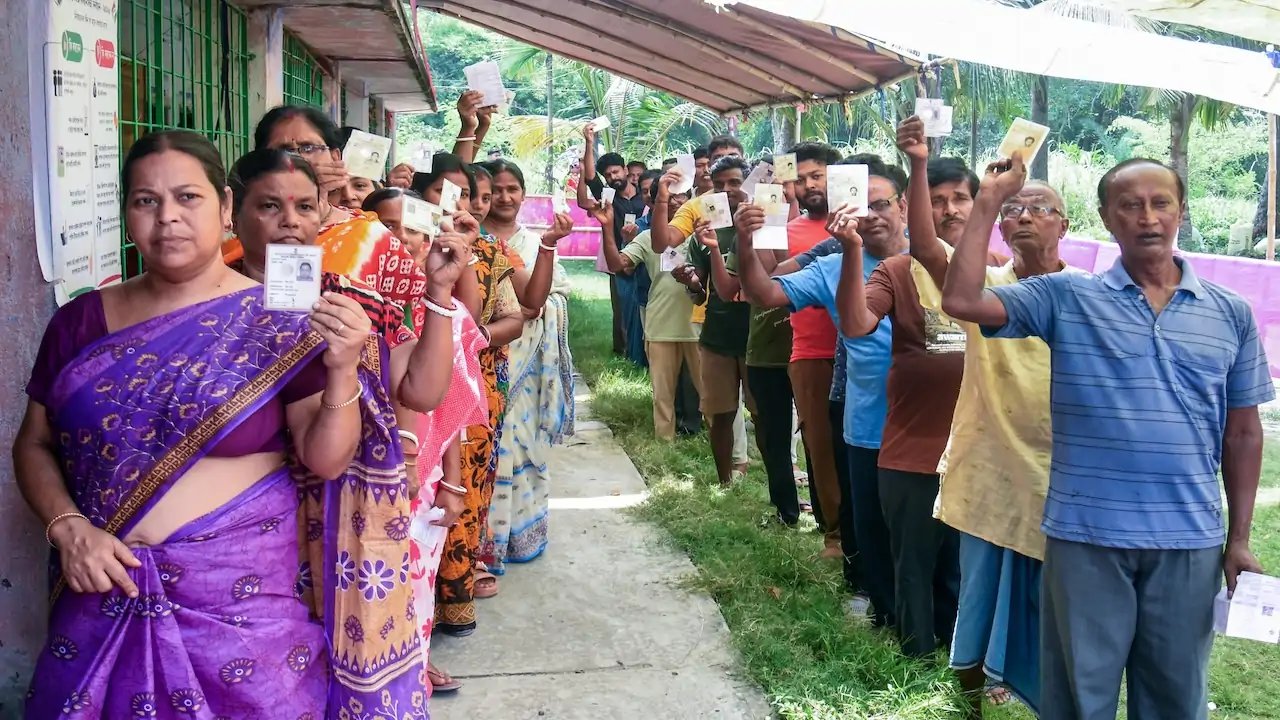
The Election Commission of India admitted its own Special Intensive Revision process in West Bengal was structurally flawed when it filed an affidavit showing 93% of deleted voters were successfully restored by tribunals. Out of 1,22,592 cases decided by September 10, adjudicators put back 1,13,943 names while rejecting only 8,649. This statistic effectively dismantles the ECI's earlier defense that the 91 lakh deletions were routine housekeeping measures to remove dead or duplicate entries.
The scale of the error dwarfs the election results. The BJP’s 2026 assembly victory margin was 33,53,310 votes, yet the ECI struck off nearly three times that number from the electoral rolls. The deletions were not random; they hit hardest in Murshidabad (4.55 lakh), North 24 Parganas (3.25 lakh), and Malda (2.3 lakh), districts where the TMC had previously swept. This geographic concentration fuels the argument that the revision was engineered to suppress specific demographics, a claim the ECI dismisses as "highly exaggerated" in its court filings.
The administrative backlog is now a crisis. Of the 38.20 lakh appeals filed, the existing 19 tribunals processed just 1.02 lakh in six months. At this pace, clearing the 37 lakh pending cases will take 12 years, meaning millions of voters remain disenfranchised for at least two Lok Sabha and two assembly elections. The ECI’s request to expand the tribunal bench to 42 contradicts its public stance that the issue is minor. You don’t ask for more than double the infrastructure to fix a problem you claim doesn’t exist.
Political reactions remain polarized. TMC spokesperson Anirban Banerjee called the ECI’s data proof of an "undue and illegal advantage" handed to the BJP, noting that in several seats, the winning margin was smaller than the number of excluded voters. BJP national spokesperson Shatorupa countered that the SIR is a constitutional duty under Article 324, stating the party has "nothing to say or do" regarding the ECI’s internal processes. The Supreme Court is currently reviewing the ECI’s response, particularly after noting that deletion notices in Delhi appeared to be "machine-generated."