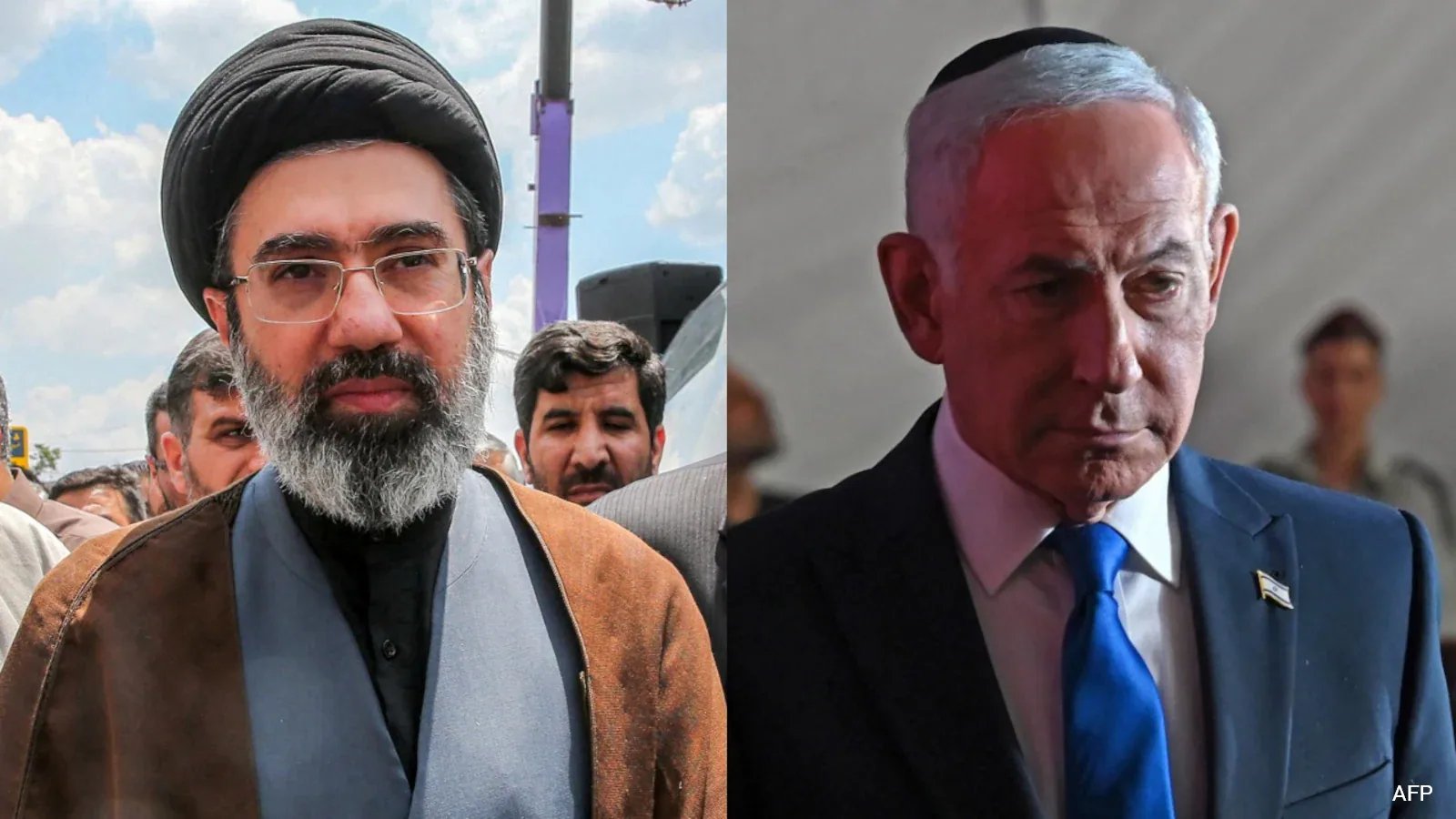
On 8 October 2026, the Embassy of the Islamic Republic of Iran in New Delhi released a scathing statement rebuking Israeli Ambassador Reuven Azar for his comments on the third anniversary of the October 7 Hamas attacks. Azar, speaking to NDTV, had painted Gaza and Lebanon as “proxies” of Tehran and lamented Israel’s “wounds” still fresh as communities rebuild.
The Iranian mission dismissed the ambassador’s assertions as “baseless and misleading,” labeling Israel’s and the United States’ policies as aggressive, occupying and war‑mongering. It cited the death toll in Gaza, stating that more than 70,000 people have been killed in the conflict.
In Gaza, families such as the Al‑Safi clan have lost homes and loved ones; the eldest son of the family was among the 70,000 casualties, his story echoing the broader tragedy that Iran seeks to highlight.
The statement, posted to X, sparked swift responses from Israeli diplomatic circles, who reiterated their narrative of security and counter‑terrorism while accusing Iran of inflaming tensions.
Iran’s embassy also called on the United Nations General Assembly to adopt a resolution condemning Israel’s occupation and to impose sanctions on those complicit in the humanitarian crisis.
The next step, according to the Iranian mission, will be to push for a UN inquiry into alleged war crimes, a move that could trigger a wave of international pressure on Israel and its allies.