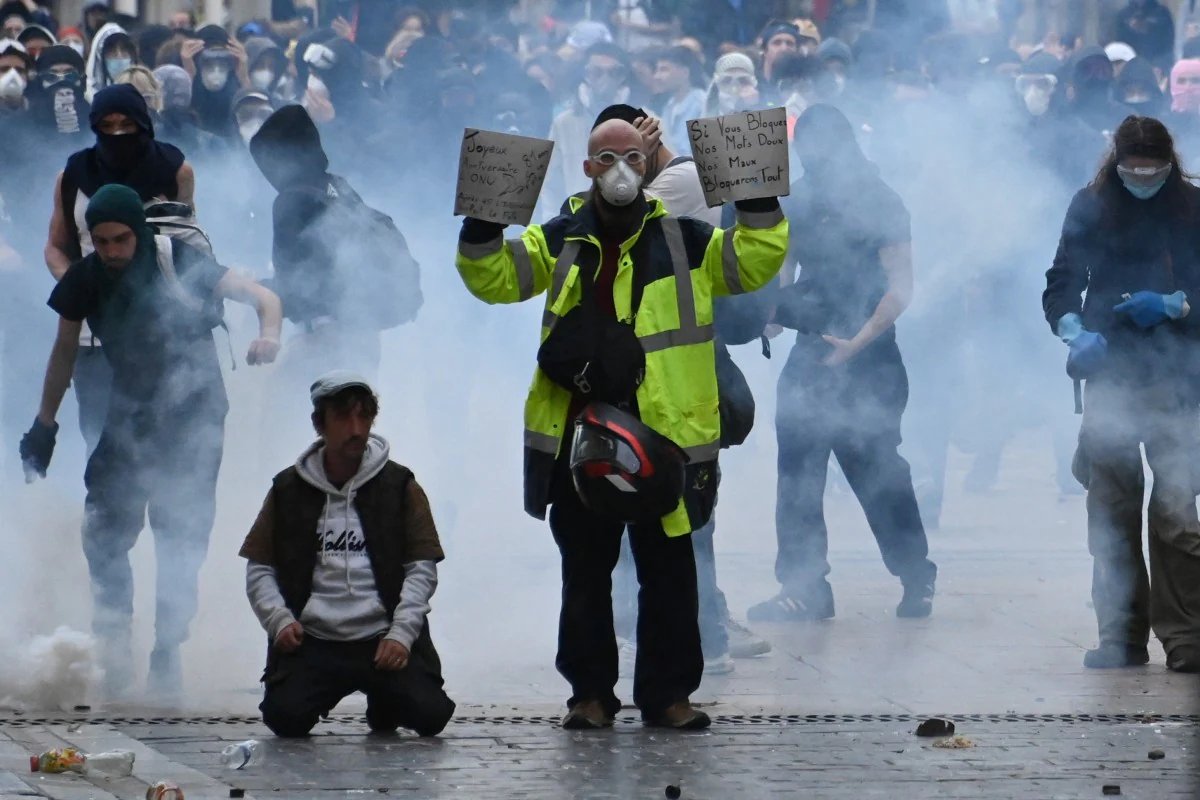
The protest, which began last month over a high‑school staff shortage southeast of Paris, has since ballooned into a nationwide movement that claimed 15.4 million teaching hours were lost in the 2024‑25 school year due to absent teachers, representing 7.5% of scheduled time. The march’s route through the capital started calmly but escalated near the Porte de Vincennes, where a handful of demonstrators hurled projectiles at police. In response, officers fired tear gas and deployed water cannons; police later detained dozens of protesters, many on weapons charges, including minors. "There are enormous numbers of people in the same situation as me but who aren’t privileged and who find themselves living on the streets," 27‑year‑old engineer Camille Chesnier told reporters, echoing the voices of thousands who joined the demonstration.
Interior Minister Laurent Nunez announced a nationwide deployment of up to 70,000 officers, backed by helicopters, armored vehicles and water cannons, as the government attempts to restore order in major cities. Macron met with high‑school representatives on Friday, pledging an overhaul of university admissions, but the protests continue to press for concrete reforms before the May elections. "The young people who have been demonstrating have not been heard," Bénédicte Pittion, a 46‑year‑old teacher, said, as she marched with her 16‑year‑old daughter, Garance, in steady rain.
Organisers from the long‑running ‘yellow‑vest’ movement called for another day of rallies on Oct. 31, arguing that the recent violence should not silence demands for better school conditions. The National Rally has seized the moment to accuse Macron’s administration of failing to protect the public, urging voters to shift their anger into the ballot box. Ahead of the election, critics warn that the government’s heavy‑handed policing could further erode its already‑low popularity, setting the stage for a tough final campaign.