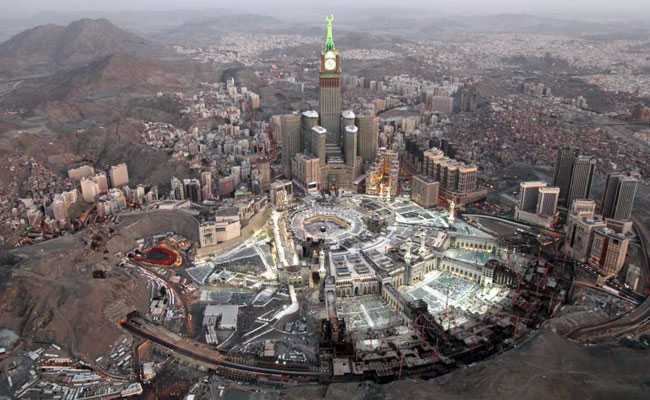
Saudi Arabia’s General Directorate of Civil Defense reported on Saturday that fragments from two intercepted ballistic missiles rained down on the kingdom's western provinces, landing in Wadi Mughamas outside Mecca, the Al-Nuzha neighborhood in Jeddah, Wadi Jalil in Taif, and an uninhabited area in Rabigh. The agency stated the debris came from projectiles launched by the Yemeni Houthi militia toward the regions of Mecca Al-Mukarramah and Medina Al-Munawwarah, Islam’s two most sacred sites. No casualties were reported in the immediate aftermath, but the agency had earlier warned residents in four western provinces to seek shelter due to "potential danger."
The strikes mark a dramatic escalation in the regional conflict. Houthi military spokesman Yahya Saree claimed responsibility for the barrage, stating the group targeted King Khalid International Airport in Riyadh, along with airports in Dammam and Najran. Saree also confirmed attacks on the Khamis Mushait air base and critical infrastructure, specifically "crude oil pumping stations and the crude oil pipeline from east to west." These assertions come just hours after the militia claimed similar targets over Friday and Saturday, signaling a coordinated push to pressure Saudi Arabia’s economic and aviation lifelines.
Meanwhile, the fighting has spilled back into Yemen’s own territory. The Saudi-backed Yemeni government announced that Houthis fired three separate ballistic missiles at coast guard facilities in the southern port of Aden on Saturday. This internal targeting suggests the Houthis are attempting to consolidate their control over strategic coastal assets while simultaneously projecting power across the Red Sea border. The simultaneous attacks on both Saudi soil and the recognized government’s positions indicate a strategy of maximum disruption rather than a single-front conflict.
This escalation shatters the fragile 2022 UN-mediated truce that had largely prevented cross-border strikes between the Saudi-led coalition and the Houthis. The coalition supports the internationally recognized government, while the Houthis retain control of Sanaa, the capital. With the ceasefire now effectively dead, diplomatic channels are under immense strain. Analysts expect the Saudi government to demand an immediate response from the UN Security Council, while the Houthis have signaled they will continue targeting infrastructure until their political demands in Yemen are met.