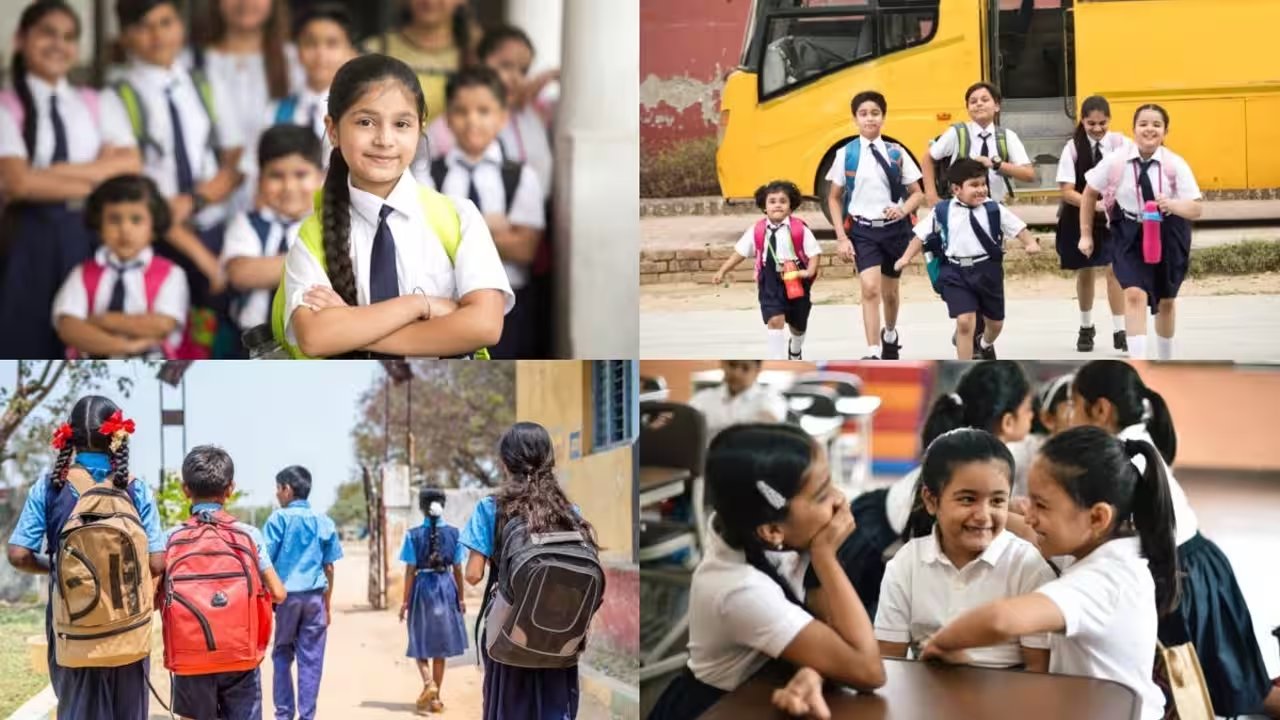
Classrooms across India have traded morning assemblies for song, dance, and sweet boxes.
Children's Day lands on Saturday, November 14 in 2026, prompting thousands of campuses to shift festivities to Friday or build weekend-long festivals around the date. Uniforms have vanished. In their place, students arrived in bright festive wear while teachers stepped onto auditorium stages to sing and perform comedy skits for their classes.
The date marks the 137th birth anniversary of Jawaharlal Nehru, born on November 14, 1889.
As India's first Prime Minister, Nehru earned the enduring moniker "Chacha Nehru" for his habit of stepping away from state protocols to sit and converse with young citizens. He argued consistently that a country's future stands or falls on the health and dignity afforded to its youngest members.
School auditoriums anchored the day's loudest celebrations.
Schedules gave way to fancy dress parades, quick-fire quiz competitions, sports heats, and live storytelling sessions. Many schools set aside time for children to step up to microphones, delivering short speeches on Nehru's legacy and voicing the specific changes they want to see in their neighborhoods.
Yet celebrations extended well past private school gates.
Community groups, regional hospitals, and local non-profits launched food distribution drives, pediatric health screenings, and children's book donation stalls targeting low-income settlements—ensuring the milestone reached youngsters outside formal classrooms.
India has codified essential safeguards over the past two decades, led by the landmark Right to Education Act of 2009 alongside targeted statutory protection frameworks.
| Landmark & Welfare Focus | Statutory Status & Key Concern |
|---|---|
| Right to Education Act | Passed in 2009; guarantees fundamental schooling access |
| Commemoration Milestone | 137th Birth Anniversary of Jawaharlal Nehru (Born 1889) |
| Critical Welfare Challenges | Malnutrition, child labour, unequal rural classroom access |
| Emerging Modern Pressures | Excessive screen time, digital fatigue, and youth mental health |
Parents do not need extravagant budgets or commercial play zones to mark the day.
Turn off mobile phones for sixty uninterrupted minutes. Cook a simple evening snack together, walk to a neighborhood park, or let your child decide the entire evening schedule without adult corrections. Bedtime reading and direct listening deliver far deeper emotional security than store-bought plastic gadgets.
Families can also turn the day outward. Encourage children to sort through their shelves and pack outgrown books or clean toys for neighborhood donation drives. Learning that celebration includes caring for others remains the most durable lesson of the day.