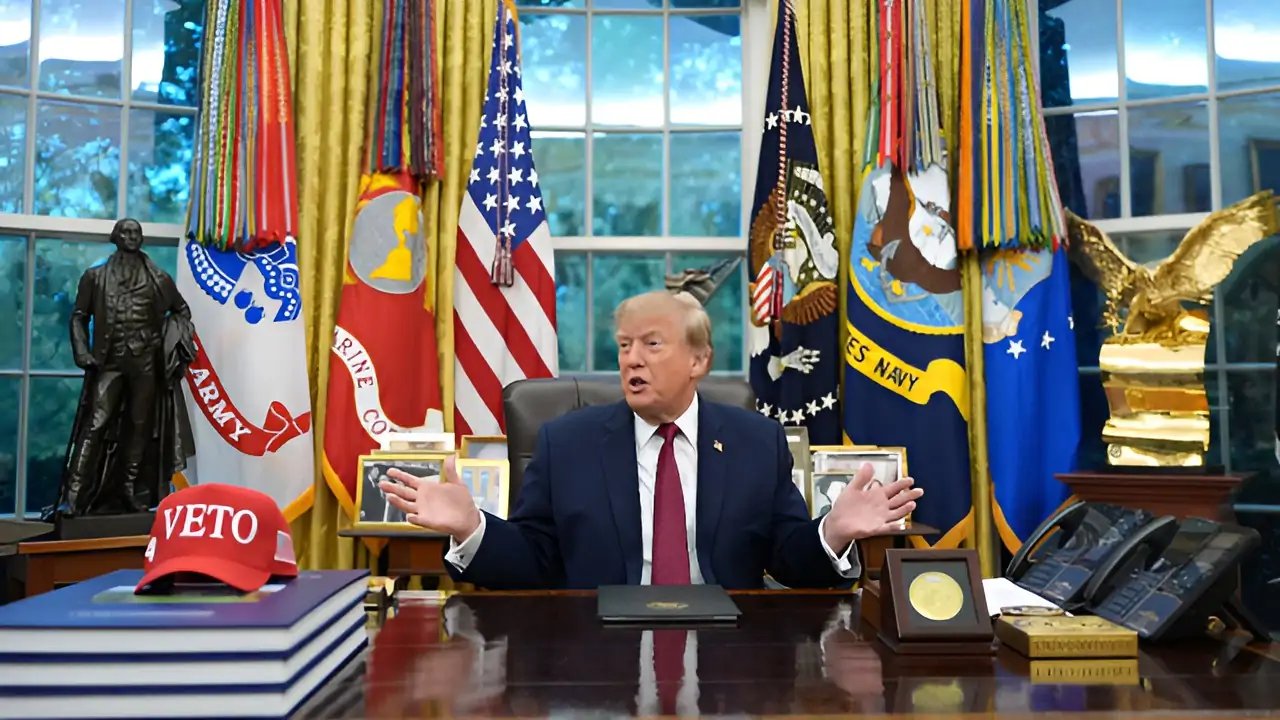
WASHINGTON — US President Donald Trump conceded that his administration's aggressive deportation campaign went too far, signaling an abrupt tactical shift following steep Republican losses in the midterm elections.
"I think it was too tough," Trump said in a national broadcast interview. The admission marks his first public retreat on the signature policy that powered his 2024 White House victory. Stung by election setbacks, the president insisted a bipartisan compromise with Democrats in the incoming Congress remains viable. "The deal would be we would work something out," he said. "And I think that's actually doable."
He offered no blueprints. Instead, he delivered a stark contradiction hours later by tapping Stephen Miller—the architect of his strictest border enforcement doctrines—as his new White House chief of staff. The promotion sent immediate shockwaves through immigrant communities, including more than five million Indian-Americans who form the second-largest foreign-born demographic in the United States.
Voters delivered a stinging rebuke at the ballot box. Exit polls showed 58 percent of voters believed the White House overreached on mass deportations. In key battlegrounds such as Texas, Latino voters who backed Trump in 2024 defected to Democratic candidates in direct response to ramped-up workplace raids and sweeps by Immigration and Customs Enforcement (ICE).
Trump acknowledged the political damage. Immigration, he conceded, "both helped and hurt" his party at the polls, even as he awarded himself an "A+" for southern border enforcement. While reiterating that violent criminals and drug traffickers must face expulsion, Trump suggested leniency for undocumented workers employed in hospitality, landscaping, and services who pay taxes.
Capitol Hill dismissed the overture as hollow theater.
Senate Democratic Leader Chuck Schumer tore into the president's simultaneous appointment of Miller to run the West Wing. "That's not a course correction," Schumer said. "That's a promotion."
Congressional Democrats have pledged immediate, aggressive oversight hearings targeting ICE and the Department of Homeland Security the moment the new legislative session gavels in. Trump, meanwhile, declined to commit to endorsing any Republican successor for the 2028 presidential race, saying only that he has "a tremendous bench" as his administration braces for divided government.