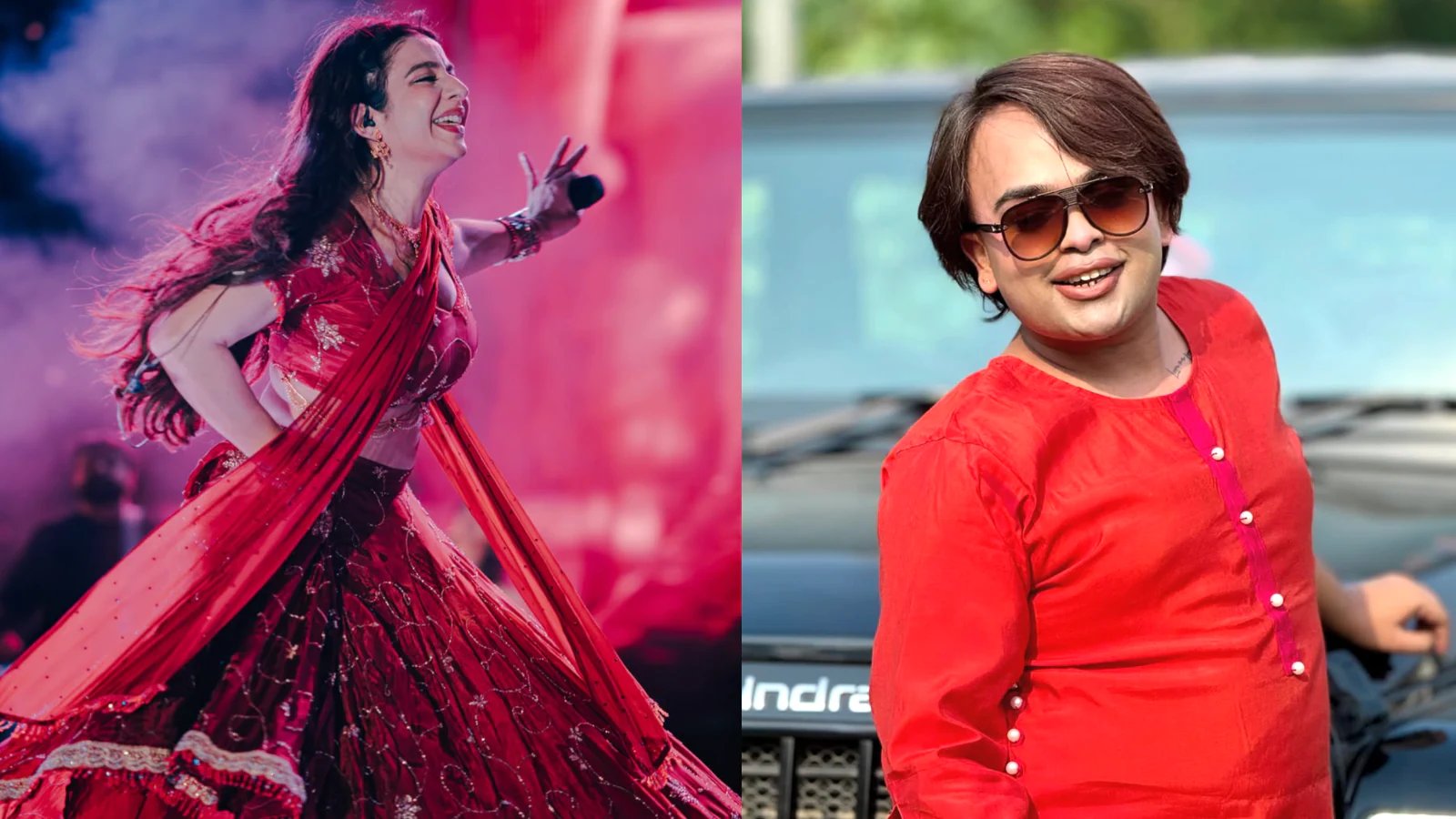
The atmosphere at the Mohali concert on October 10 shifted from a standard pop concert to something more somber and urgent. Jasmine Sandlas, mid-performance for her The Dream Girl India Tour, made a visual statement that left little room for interpretation. She stood before the audience wrapped in a rainbow flag, a symbol deeply rooted in LGBTQ+ identity. It was a direct, unscripted nod to the killing of Mad Sandhu, a prominent makeup artist and social media personality who was shot dead in Amritsar just days earlier.
Mad Sandhu, whose real first name was Madhusudan, was not just an influencer; he was a visible, outspoken voice in Punjab. He appeared frequently on podcasts, discussing everything from film industry gossip to the nuances of gender and identity. He didn't hide who he was. When faced with the inevitable wave of homophobia online, his response was consistent and defiant: “God has made me the way I am.” His presence on the internet was a beacon for a community that often operates in the shadows of rural and semi-urban Punjab.
The violence that took his life was swift and brutal. On October 3, in the Loharka Road area of Amritsar, two men on a motorcycle opened fire, leaving him with a gunshot wound before fleeing the scene. The tragedy has since escalated into a broader conversation about safety and acceptance for queer individuals in the region. Police efforts have already yielded results, with one key accused, Parminder Prasad (alias Parminder Kaka), arrested by the Ahmedabad Crime Branch in Gujarat.
Sandlas’ address to the crowd was a call to action, though she never explicitly named Sandhu on stage. “I am very happy that all the Punjabis have come together. Even as Punjabis, we are very divided; we have become so big. Let's do it with love,” she said. The sentiment was heavy. It wasn't just about music anymore; it was about the right to exist without fear. She questioned the underlying entitlement of individuals to dictate who others are allowed to love, urging a society that is still grappling with these norms to step back and let people live.
For a city that prides itself on its cultural richness, this incident has forced a harsh reckoning. The rainbow flag on stage wasn't just a prop; it was a reminder of a life cut short and a community left grieving. As the tour continues, the shadow of this event will likely linger, turning subsequent performances into platforms for advocacy as much as entertainment.