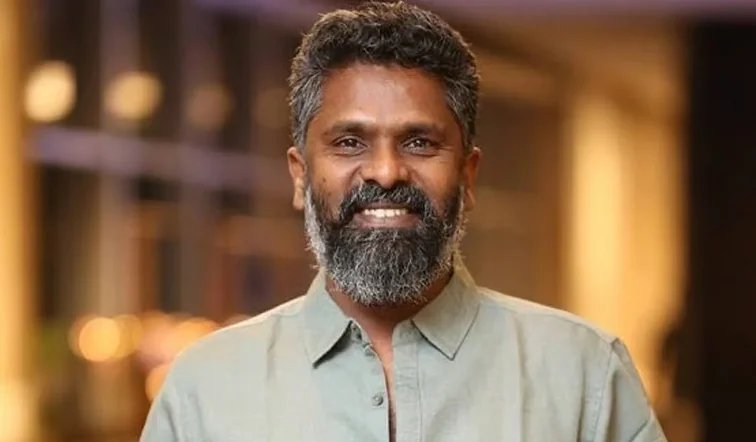
C Prem Kumar’s journey from the lens to the director’s chair began with eight credits as a cinematographer, a path that taught him the art of visual storytelling before he found his voice behind the camera. He recalls the early days: “It’s more difficult to be an assistant than a chief technician; you have to think for someone else while balancing your own sensibilities with those of the person you work for.” Yet, that very experience sharpened his eye for the kind of narrative rhythm that would later define his breakout film 96.
When asked about the craft of writing, Prem Kumar admits, “Writing is a different ball game altogether. You have to unlearn what you know and focus on emotions and structure.” He’s not afraid to erase his own hand from the script after it’s done: “Once the writing is done, the writer has to be killed. You have to think like a director.” This duality—author and executor—has become the hallmark of his style.
The film with Fahadh Faasil is now in post‑production, with the team finishing dubbing in Kochi. Prem Kumar hints that the release could land at the end of this year or the first quarter of next, depending on post‑production and distribution hurdles. “The shooting is done. We’re in post‑production. We’re probably expecting an end‑of‑the‑year or next year’s first‑quarter release,” he says, deflecting a precise date but giving fans a rough timeline.
Kumar’s collaborative streak is already in motion: two scripts are in his hands from an external writer, and he’s jointly working on a few others with different auteurs. “I’m happy writing my own scripts. At the same time, I have already started working with another writer, who is writing two scripts for me,” he explains. “After my fifth directorial, I’ll be taking up these projects.” This marks a deliberate shift from the auteur model to a more inclusive Malayalam cinema ethos.
Looking ahead, Prem Kumar says he prefers to focus on one project at a time, ensuring each story gets the attention it deserves. He’s already eyeing the next chapter post‑96, where fresh voices will guide his camera. “Nothing is easy, but everything is exciting,” he concludes, a promise that his future films will blend his cinematic eye with the fresh perspectives of new writers.