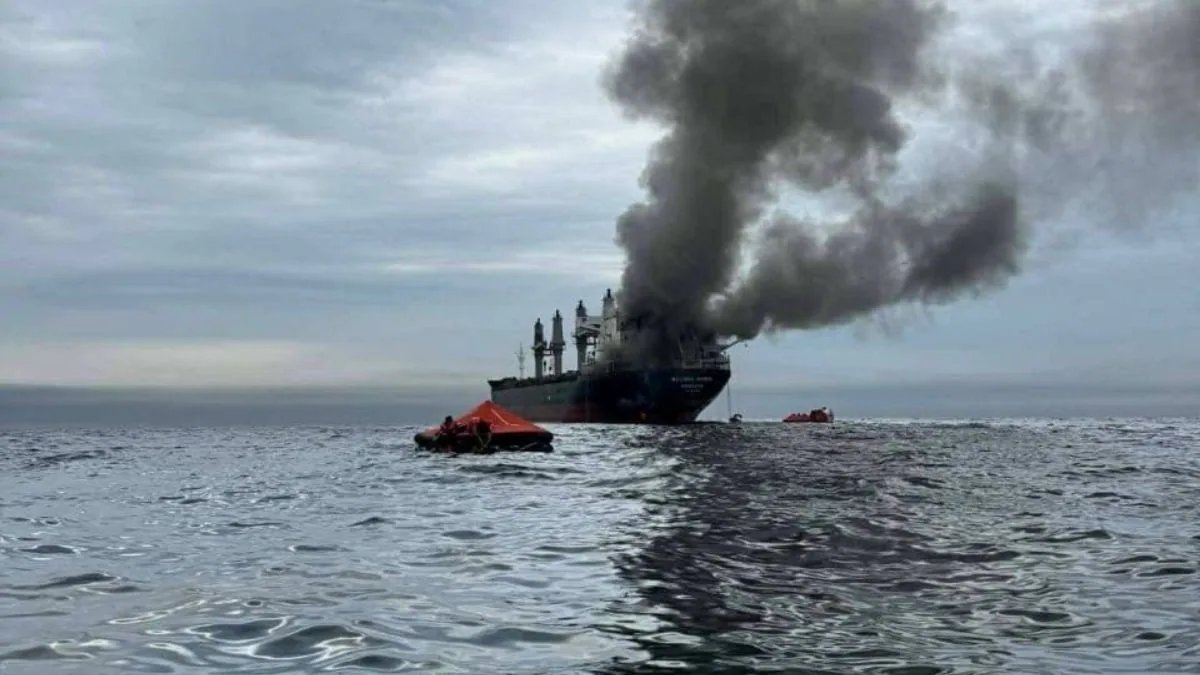
In late September, the IRGC rolled out a new ship‑targeting campaign in the Strait of Hormuz, deploying unarmed spotters in small boats to flag U.S. warships for attack. An anonymous U.S. Navy spokesperson said the spotters were operating from a dhow, which U.S. forces destroyed without casualties.
The maneuver follows Tehran's long‑standing strategy of choking the strait after the February 28 strikes, which has cut transits by 30% and pushed the Brent crude index above $80 a barrel.
President Trump has vowed to refrain from further strikes before the November 8 elections, hoping the high oil prices will benefit his campaign, while the U.S. Treasury has announced a new round of sanctions targeting Iranian shipping.
Independent maritime trackers report at least five drone and missile attacks in the past 48 hours, matching the most intense period seen in October, and evidence suggests Iranian forces are extending strikes to the Gulf of Oman and waters off Qatar and the UAE.
A crew aboard the Panamanian‑flagged tanker MT Alsharq reported that a cluster of Iranian spotters hovered over the vessel for 20 minutes before the U.S. Navy intercepted them, underscoring the human cost of the standoff.
With the midterm elections looming, Washington is bracing for a sharp spike in oil prices if Tehran succeeds, while Congress may debate new defense appropriations before the vote on November 8.